
Introduction: Testimonials
Getting your first freelance client can be difficult when you do not have a portfolio. Many clients want to see your previous work before they decide to hire you. This can create a common problem for beginners: you need clients to build a portfolio, but you need a portfolio to get clients.
Fortunately, a portfolio is not the only way to build trust. Testimonials can also help you show potential clients that you are reliable, professional, and capable of doing good work.
A testimonial is a short statement from a person who has worked with you or experienced your service. It explains what they liked about your work and why they would recommend you. A strong testimonial can give potential clients confidence even when you do not have many work samples to show.
You can collect testimonials from previous employers, teachers, classmates, volunteer projects, internships, personal projects, or people you have helped. The key is to use honest and relevant feedback.
Here are some simple ways to use testimonials to win clients without having a portfolio.
How to Use Testimonials to Win Clients Without a Portfolio?
1. Understand Why Testimonials Matter
Before using testimonials, you should understand why they are useful.
When a potential client finds a new freelancer, they may have several questions:
- Can this person do the work?
- Will they meet deadlines?
- Are they easy to communicate with?
- Will they understand my requirements?
- Can I trust them with my project?
A testimonial can answer some of these questions.
For example, imagine that you are a beginner content writer. You do not have many paid writing projects yet. However, you helped a small business owner write website content. After seeing your work, the owner said:
“She understood my requirements quickly and delivered clear and useful content on time.”
This simple statement can show potential clients that you understand instructions, communicate well, and meet deadlines.
Testimonials provide social proof. They show that another person has already trusted you and had a positive experience.
2. Ask People You Have Already Helped
You do not need to have dozens of professional clients to get testimonials.
Think about people you have helped in the past. They could include:
- Former managers
- Teachers
- Professors
- Internship supervisors
- Classmates
- Friends
- Small business owners
- Nonprofit organizations
- Community groups
- People you helped with personal projects
For example, suppose you helped a friend improve their resume. Your friend may be able to provide a testimonial about how you made the resume clearer and more professional.
Similarly, if you helped someone write social media posts, edit an article, create a presentation, or research a topic, you can ask them for feedback.
The important thing is that the testimonial should be honest. Do not ask someone to write something they cannot genuinely support.
3. Ask for Specific Testimonials
A general testimonial is better than nothing, but a specific testimonial is usually more useful.
For example:
Weak testimonial:
“Nagma is a great writer.”
This sounds positive, but it does not tell a potential client much about your skills.
Stronger testimonial:
“Nagma created five social media captions for my small business. The captions were clear, engaging, and matched our brand voice. She also completed the work before the deadline.”
The second testimonial gives potential clients more information.
When asking for testimonials, encourage people to mention specific qualities such as:
- Quality of work
- Communication
- Creativity
- Reliability
- Research skills
- Attention to detail
- Ability to follow instructions
- Meeting deadlines
- Professional behavior
Specific feedback makes your testimonial more believable.
4. Ask the Right Questions
Some people may want to give you a testimonial but may not know what to write. You can make the process easier by asking a few simple questions.
For example:
- What problem did I help you solve?
- What did you like about my work?
- How was your experience working with me?
- Did I complete the work on time?
- What result did you get from my work?
- Would you recommend my service to others?
You do not need to ask all these questions. Two or three questions may be enough.
For example, you could ask:
“What did you like most about my work, and would you recommend my services to someone else?”
Their answers can help you create a useful testimonial.
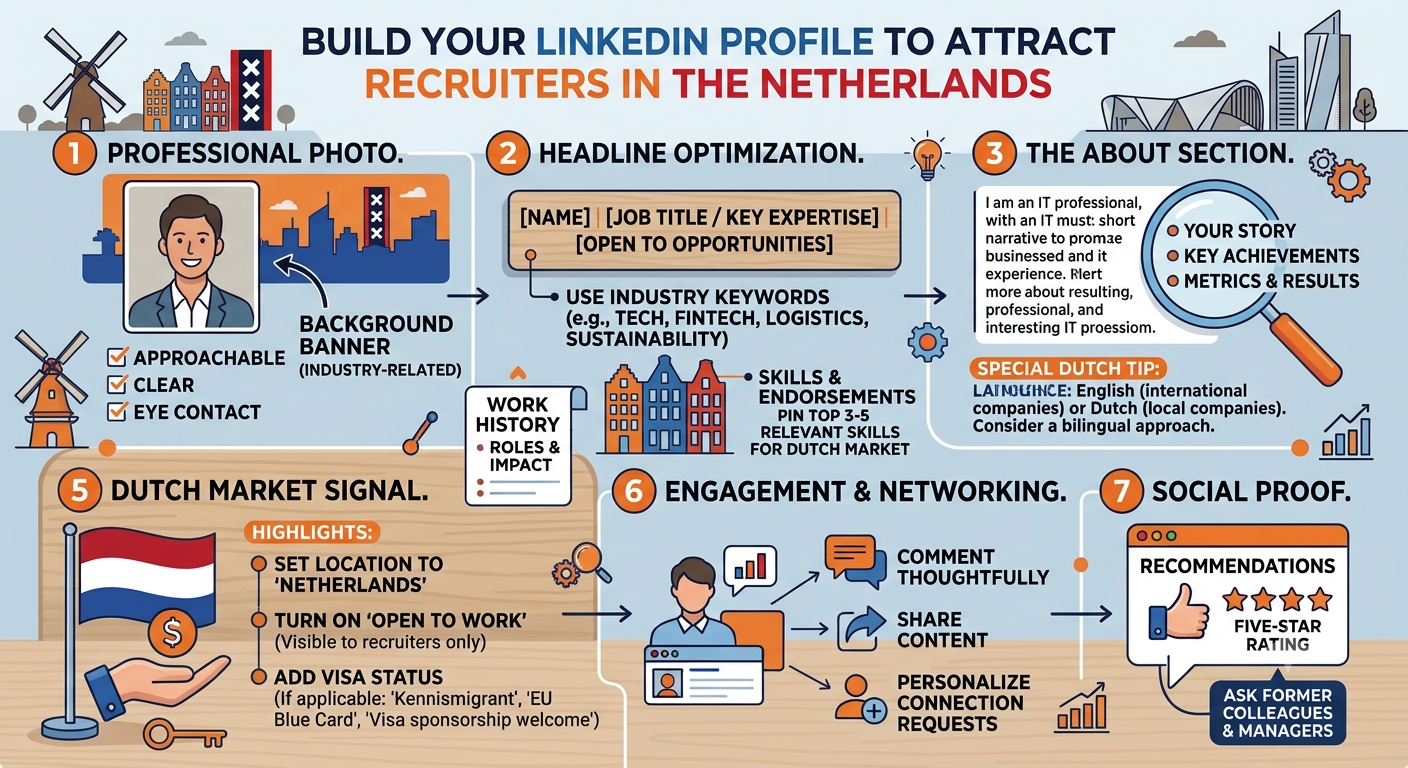
5. Use Testimonials on Your LinkedIn Profile
LinkedIn can be useful when you are trying to find clients without a traditional portfolio.
You can use recommendations and testimonials to build credibility on your profile.
Ask former colleagues, managers, clients, teachers, or people you have worked with to write a recommendation for you.
If someone has given you permission to use their feedback, you can also share a short testimonial in a LinkedIn post.
For example:
“I recently received this kind feedback after helping with website content. I am grateful for the opportunity and excited to continue improving my writing skills.”
Then include the testimonial.
This can help potential clients see evidence of your skills while they explore your profile.
6. Create a Testimonial Section on Your Website
You may not have a large portfolio website, but you can still create a simple page or section for testimonials.
Your website does not need to be complicated.
You can include:
About Me
A short introduction about who you are and what services you provide.
Services
List the services you offer, such as blog writing, email writing, social media content, or product descriptions.
Testimonials
Add two to five strong testimonials.
Contact
Tell potential clients how they can contact you.
Even without many work samples, this structure can make your online presence look more professional.
You can also create a simple one-page website instead of building a large website.
Conclusion: Testimonials
You do not need a large portfolio to start building trust with potential clients. Testimonials can help you show your skills, reliability, communication, and professionalism even when you are new to freelancing.
Start by thinking about people you have already helped. Ask them for honest and specific feedback. Then use the best testimonials on your LinkedIn profile, website, proposals, emails, and social media posts.
Remember that honesty matters more than making your experience look impressive. Never create fake testimonials or present personal projects as paid client work.
A few genuine testimonials can help you overcome the “no portfolio” problem and give potential clients a reason to trust you. As you gain more clients, continue collecting feedback and combine it with real work samples.
Your first client does not have to come after you build a perfect portfolio. Sometimes, a few strong words from people who already trust your work can be the first step toward winning new opportunities.



Leave a Reply