Introduction
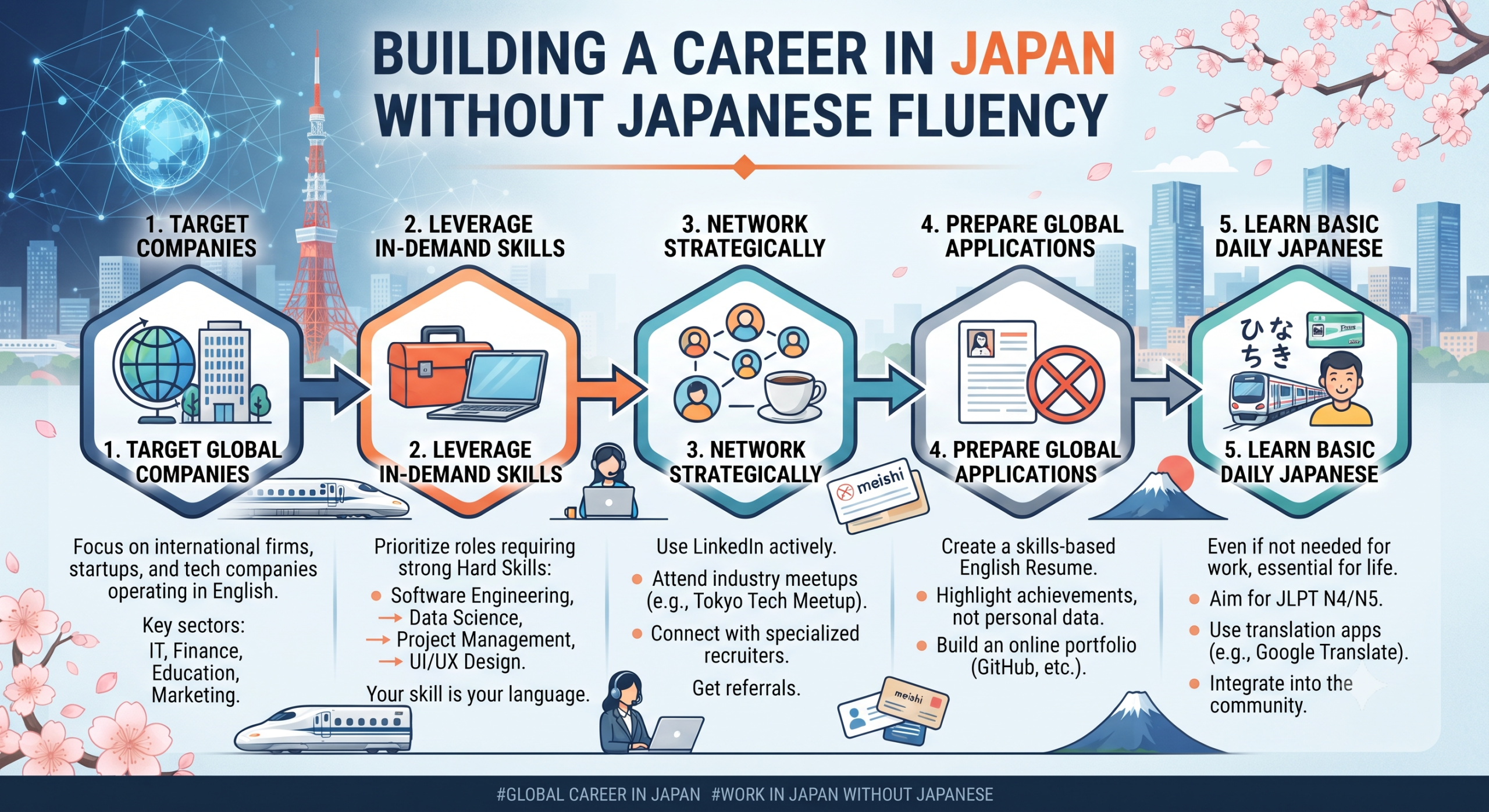
Japan is one of the world’s leading economies, offering career opportunities across technology, engineering, finance, manufacturing, education, research, hospitality, and international business. While Japanese language skills are valuable, they are not always a requirement. Many multinational companies, startups, and globally focused organizations actively hire international professionals who primarily work in English.
For professionals from countries like India, building a career in Japan without speaking Japanese is entirely possible with the right strategy. Employers often prioritize technical expertise, business skills, international experience, and cultural adaptability over language proficiency, especially for roles involving global teams.
However, success requires more than simply submitting applications. You need to understand the Japanese job market, target the right employers, strengthen your professional profile, and prepare for long-term career growth. This guide provides practical strategies to help you secure opportunities while planning your finances, improving productivity, and adapting to Japan’s professional environment.
Understand Which Companies Hire English-Speaking Professionals
Not every company in Japan requires fluency in Japanese.
Organizations that commonly hire English-speaking professionals include:
- Multinational corporations
- Global technology companies
- International consulting firms
- Financial institutions
- Foreign-owned businesses
- Research organizations
- International schools
- Startups with global operations
These employers often use English as their primary business language for international teams.
Research company websites carefully to determine whether English-speaking roles are available before applying.
Focus on Industries With High International Demand
Several industries actively recruit skilled professionals from overseas.
These include:
- Software Development
- Artificial Intelligence
- Cybersecurity
- Data Science
- Engineering
- Semiconductor Manufacturing
- Finance
- Pharmaceutical Research
- Biotechnology
- Digital Marketing
Professionals with specialized expertise often receive stronger consideration than candidates relying solely on general experience.
Target industries where your skills solve business challenges.
Build Skills That Employers Value
Japanese employers look for professionals who combine technical ability with reliability and continuous improvement.
Focus on developing:
- Cloud Computing
- Data Analytics
- Project Management
- Business Analysis
- Product Management
- Cybersecurity
- Financial Analysis
- Digital Marketing
- Quality Management
- Leadership skills
Professional certifications demonstrate commitment to learning and strengthen your competitiveness in international hiring.
Employers value measurable achievements more than lengthy lists of responsibilities.
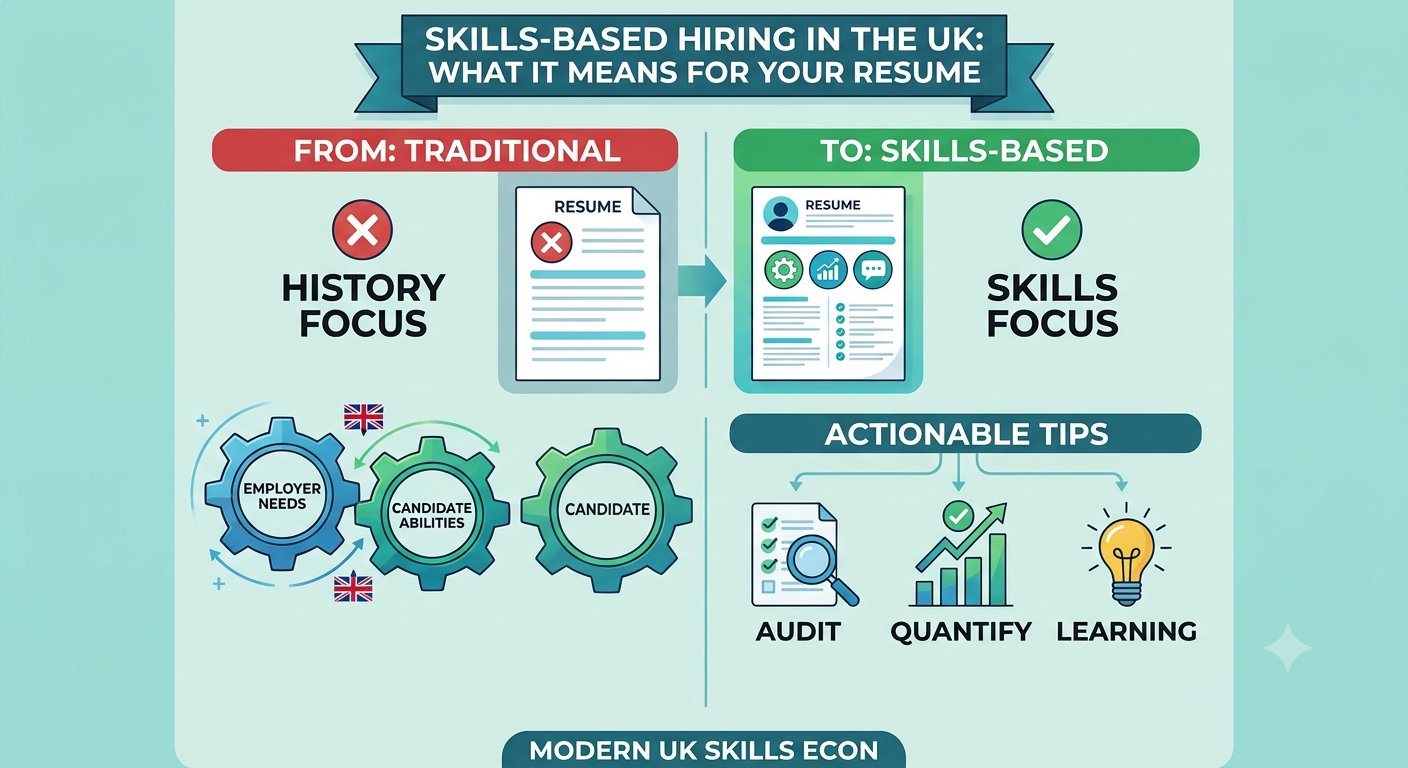
Tailor Your Resume for International Employers
A customized resume improves your chances of reaching the interview stage.
Your resume should include:
- Professional summary
- Technical expertise
- Industry certifications
- Quantifiable achievements
- Leadership experience
- Major projects
- International collaboration experience
Instead of describing routine responsibilities, highlight business outcomes.
Examples include:
- Increased operational efficiency by 30% through workflow automation.
- Managed cross-functional teams across three countries.
- Reduced project delivery time by 20%.
- Improved customer satisfaction through process improvements.
Applicant Tracking Systems (ATS) also perform better when resumes contain relevant job-specific keywords.
Gain International Experience Before Relocating
Experience working with international teams makes your profile more attractive.
You can build global experience by:
- Working with overseas clients
- Managing international projects
- Collaborating across multiple time zones
- Supporting global product launches
- Participating in cross-border initiatives
Remote work provides valuable international exposure even before relocating.
If you’re seeking global opportunities, best job tool, a global job platform, can help you discover remote positions with international employers while you prepare for a future move to Japan.
Learn Basic Japanese Even if the Role Is in English
Although many international companies operate in English, learning basic Japanese provides significant advantages.
Even beginner-level language skills can help you:
- Build stronger workplace relationships
- Communicate during daily life
- Understand business culture
- Improve networking opportunities
- Increase future promotion prospects
You do not need complete fluency before applying.
Consistent learning alongside your career demonstrates adaptability and commitment.
Understand Japanese Workplace Culture
Professional success depends on understanding workplace expectations.
Japanese employers generally value:
- Punctuality
- Professionalism
- Respectful communication
- Team collaboration
- Attention to detail
- Accountability
- Continuous improvement
Demonstrating these qualities during interviews often creates a strong impression.
Employers appreciate candidates who understand that cultural adaptation is an important part of international employment.
Prepare Financially for Relocation
Moving to Japan requires careful financial planning.
Budget for:
- Visa application expenses
- Flight tickets
- Temporary accommodation
- Housing deposits
- Daily living expenses
- Health insurance
- Emergency savings
- Local transportation
Having sufficient savings allows you to settle comfortably before receiving your first salary.
Financial preparation reduces unnecessary stress during your transition.
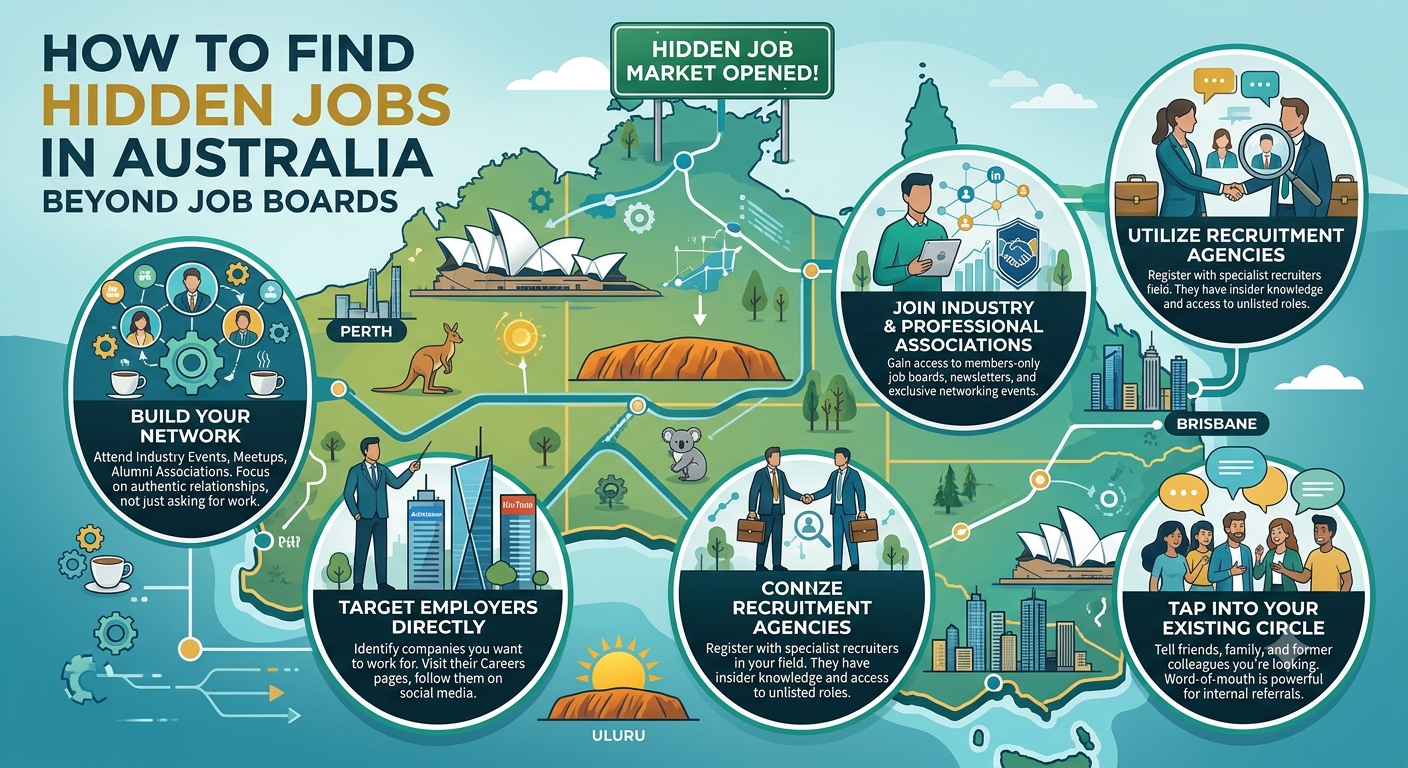
Build a Professional Network
Networking increases your visibility in Japan’s job market.
Focus on:
- Connecting with recruiters on LinkedIn
- Following Japanese companies
- Joining professional associations
- Attending international webinars
- Participating in industry conferences
- Engaging with professionals already working in Japan
Professional referrals often improve interview opportunities compared to submitting applications alone.
Networking should remain an ongoing career investment.
As your international career grows, best job tool can help you discover remote, hybrid, and Japan-based opportunities while expanding your global professional network.
Stay Organized Throughout Your Job Search
International hiring often requires patience and consistency.
Track:
- Companies applied to
- Application dates
- Recruiter contacts
- Interview schedules
- Visa documentation
- Follow-up communications
- Professional certifications completed
A structured job search improves efficiency and prevents missed opportunities.
Review your progress regularly and adjust your strategy based on employer feedback and market demand.
Conclusion
Building a career in Japan without speaking Japanese is entirely achievable, especially for professionals with specialized skills and international experience. Many multinational companies and globally focused organizations actively recruit English-speaking professionals for roles in technology, engineering, finance, research, and other high-demand industries. Success depends on targeting the right employers, tailoring your applications, continuously developing your skills, and understanding Japanese workplace expectations.
While fluency in Japanese is not always essential, learning the language gradually can significantly improve your career prospects, workplace relationships, and long-term growth. By combining technical expertise, cultural awareness, financial preparation, and a strategic job search, you can successfully build a rewarding career in Japan. As you continue exploring international opportunities, best job tool, a global job platform, can help you connect with employers offering remote, hybrid, and global roles that support your long-term career ambitions.


Leave a Reply