Candidate dropout after verbal offer acceptance is a common recruitment challenge that can disrupt hiring plans, increase recruitment costs, and create uncertainty for hiring managers. A candidate may verbally agree to join an organization but later decline the written offer, stop responding, or accept another opportunity. Although this situation can be frustrating, recruiters can manage it more effectively through timely communication, clear expectations, and a structured follow-up process.
A verbal acceptance indicates interest, but it does not always mean the candidate has made a final commitment. Candidates may still be evaluating compensation, discussing opportunities with other employers, seeking family approval, or waiting for written confirmation of important employment terms.
Therefore, recruiters should treat verbal acceptance as a positive milestone rather than the end of the hiring process. The goal is to understand the candidate’s concerns, reduce avoidable uncertainty, and protect the organization’s hiring timeline without pressuring the individual.
For remote and international recruitment teams, this process requires additional coordination because candidates may be working across time zones, managing relocation decisions, or comparing employment conditions in different markets. A consistent approach can help recruiters respond professionally while maintaining a positive candidate experience.
Understand Why Candidates Withdraw After Verbal Acceptance
The first step in managing candidate dropout is understanding why it happens. Recruiters sometimes assume that a candidate who withdraws after accepting verbally was never genuinely interested. In reality, several practical factors may influence the decision.
Compensation is one possible reason. A candidate may receive a higher offer from another employer or discover that the proposed salary does not meet their financial expectations. Similarly, unclear benefits, work arrangements, or start dates may create doubts after the initial conversation.
Other common reasons include:
- A competing employer makes a stronger offer.
- The written offer differs from the verbal discussion.
- The candidate has concerns about responsibilities or career progression.
- Family circumstances or relocation challenges change.
- The current employer provides a counteroffer.
- The hiring process takes too long after verbal acceptance.
- The candidate becomes uncertain about company culture or management expectations.
Recruiters should distinguish between issues that can be resolved and decisions that are unlikely to change.
For example, a candidate who is concerned about a delayed start date may remain interested if the employer can offer flexibility. However, someone who has accepted a position that better aligns with their long-term goals may not reconsider.
Ask open-ended questions rather than making assumptions. A calm conversation can reveal whether the candidate needs clarification, additional time, or a different arrangement.
Understanding the underlying reason also helps recruitment teams identify recurring problems in their hiring process and prevent similar situations in future searches.
Respond Quickly and Communicate Professionally
When a candidate indicates that they may withdraw, timing matters. Delayed responses can increase uncertainty and make the candidate feel that their concerns are not being taken seriously.
Recruiters should contact the candidate promptly through the communication channel they have used throughout the hiring process. The objective is to understand the situation, clarify outstanding questions, and determine whether the candidate remains interested.
Begin the conversation with a neutral and respectful approach. For example, ask whether anything has changed since the verbal acceptance or whether they would like to discuss any aspect of the offer.
Avoid making the candidate feel guilty for considering another opportunity. Candidates have the right to evaluate their options, and a respectful conversation is more likely to preserve the relationship.
An effective response should include:
- Acknowledgment of the candidate’s concerns.
- An opportunity for the candidate to explain the situation.
- Clarification of any unresolved employment terms.
- An honest explanation of what the organization can offer.
- Agreement on a realistic date for the next update.
If the candidate has received a competing offer, ask which factors matter most to their decision. These may include salary, flexibility, job responsibilities, career growth, or stability.
Do not promise benefits, compensation adjustments, or workplace arrangements without approval from the relevant decision-makers.
If the candidate has already made a final decision, accept it professionally and confirm the withdrawal in writing where appropriate. A courteous response protects the employer’s reputation and leaves open the possibility of future engagement.
Identify and Resolve Offer-Related Concerns
Some candidates withdraw because important details were not fully discussed before verbal acceptance. Recruiters can reduce this risk by reviewing the entire offer rather than focusing exclusively on salary.
Compensation should be explained clearly, including the relevant salary structure, variable pay, bonus conditions, and any other material terms. Recruiters should avoid assuming that a candidate understands the difference between guaranteed compensation and performance-based earnings.
The organization should also clarify:
- Job title and primary responsibilities.
- Reporting structure and manager expectations.
- Work location and remote or hybrid arrangements.
- Working hours and time-zone requirements.
- Benefits and applicable eligibility conditions.
- Expected start date and onboarding process.
- Relocation or travel requirements, if relevant.
For international hiring, additional questions may involve work authorization, relocation timelines, local employment arrangements, or sponsorship eligibility.
Once concerns are identified, assess whether a reasonable solution is available. If the candidate needs a later start date, the hiring manager may be able to adjust the onboarding schedule. If responsibilities are unclear, a follow-up discussion with the manager could provide reassurance.
Compensation discussions require particular care. If the candidate requests an adjustment, review the request against the approved budget, internal pay structures, and relevant company policies.
The goal is not to negotiate at any cost. Instead, it is to determine whether the original offer and the candidate’s expectations can be aligned fairly and realistically.
Document any revised terms and provide written confirmation before treating the matter as resolved.
Strengthen the Period Between Verbal Acceptance and Written Offer
The time between verbal acceptance and formal documentation can create unnecessary uncertainty. Candidates may interpret silence as a sign of poor organization, while recruiters may assume that the verbal agreement is sufficient to move forward.
A structured offer process helps close this gap.
Before communicating an offer verbally, confirm that the necessary internal approvals are complete. The recruiter should understand the approved compensation, start date, reporting structure, and any conditions that apply.
After the candidate accepts verbally, explain the next steps and provide a realistic timeline for written documentation.
Recruiters should then:
- Send the written offer as promptly as company procedures allow.
- Confirm that the document reflects the agreed terms.
- Explain the deadline for reviewing and returning the offer.
- Identify the appropriate contact for questions.
- Confirm any remaining checks or employment conditions.
- Keep the candidate informed if approvals or documentation are delayed.
Avoid setting an arbitrary deadline that does not reflect the candidate’s circumstances or the organization’s actual requirements.
A candidate who has accepted verbally but has not received the written offer may continue interviewing elsewhere because they do not yet have sufficient certainty about the opportunity.
For remote recruitment teams, a shared tracking system can help monitor verbal acceptances, offer approvals, document delivery, candidate questions, and outstanding actions.
Clear communication during this period demonstrates professionalism and reduces the likelihood of avoidable misunderstandings.
Maintain Candidate Engagement Without Creating Pressure
Candidate engagement should continue after verbal acceptance, but recruiters must balance communication with respect for the individual’s time and independence.
Excessive follow-ups can make candidates feel pressured. Conversely, complete silence may cause them to question whether the organization is still committed to hiring them.
The best approach is to establish an appropriate communication schedule based on the expected time until joining.
For example, recruiters might confirm that the written offer has been received, answer questions about onboarding, and provide an update before the agreed start date. The frequency should reflect the candidate’s needs and the complexity of the hiring process.
Useful engagement practices include:
- Sending a personalized message after verbal acceptance.
- Sharing relevant onboarding information.
- Introducing the candidate to appropriate team members when suitable.
- Explaining the first-week schedule and reporting arrangements.
- Offering a contact for practical questions.
- Providing updates about any changes that affect the role or start date.
For candidates joining remote teams, practical preparation is especially important. Explain equipment arrangements, collaboration tools, working hours, onboarding meetings, and communication expectations.
For candidates relocating internationally, provide accurate information about the employer’s relocation support and relevant administrative requirements. Avoid presenting unconfirmed arrangements as guaranteed.
Recruiters should also coordinate with hiring managers to ensure that engagement messages are consistent with the candidate’s future responsibilities.
The purpose is to maintain confidence in the opportunity through useful information, not to persuade candidates to ignore their concerns or abandon other choices.
Create a Backup Plan and Protect the Hiring Timeline
Even a well-managed offer process cannot eliminate every candidate withdrawal. Recruiters should therefore prepare for the possibility that a verbally accepting candidate will decline or fail to proceed.
A backup strategy reduces the disruption caused by unexpected changes and helps hiring managers make informed decisions about the vacancy.
Where appropriate, maintain a pipeline of qualified candidates until the selected candidate has completed the organization’s required acceptance and pre-employment steps. However, communicate honestly with all applicants and avoid implying that an offer has been made when it has not.
If the selected candidate withdraws, the recruiter should:
- Confirm the candidate’s final decision.
- Inform the hiring manager promptly.
- Review whether another shortlisted candidate remains suitable and interested.
- Reassess the vacancy timeline and any changing business priorities.
- Restart sourcing if the existing pipeline is insufficient.
- Record the reason for withdrawal when the candidate is willing to share it.
A backup candidate should not automatically be selected simply because they are available. Their qualifications, interview results, and suitability must still meet the established hiring criteria.
Recruiters should also avoid restarting the entire process without reviewing the work already completed. Existing interview feedback, sourcing data, and candidate relationships may provide a useful starting point.
For urgent or business-critical vacancies, agree on contingency plans with the hiring manager before the offer stage. This could include maintaining a warm pipeline, reserving interview availability, or identifying alternative sourcing channels.
A clear backup plan protects business continuity while ensuring that recruitment decisions remain fair and evidence-based.
Measure Dropout Rates and Improve the Recruitment Process
Candidate withdrawal after verbal acceptance should be tracked as a recruitment metric rather than treated only as an isolated incident.
Monitoring patterns helps organizations determine whether withdrawals are associated with compensation, delayed documentation, competing offers, unclear job expectations, or other recurring problems.
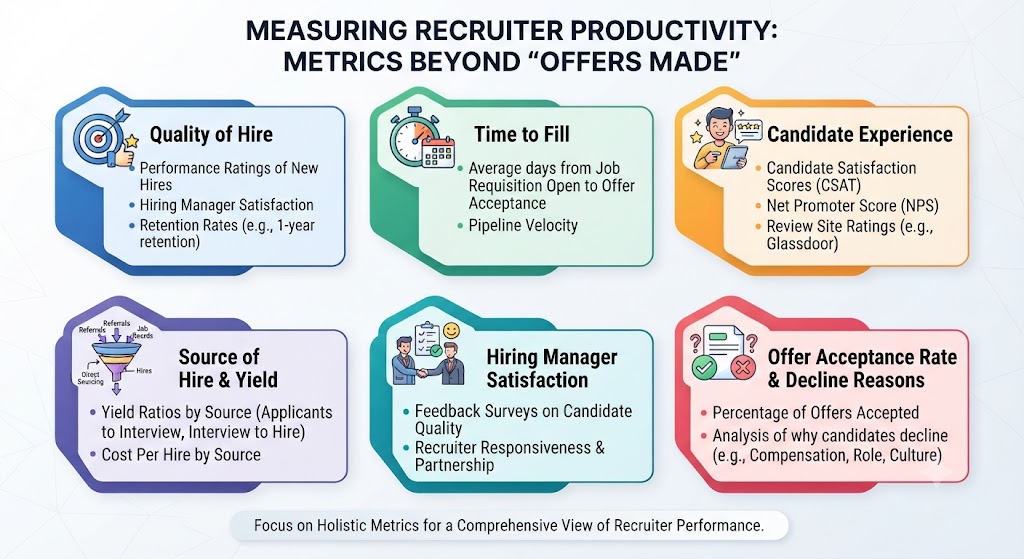
Recruitment teams can measure:
- Verbal acceptance-to-written offer time: The time taken to provide formal documentation after verbal agreement.
- Offer acceptance rate: The percentage of formal offers accepted.
- Post-acceptance withdrawal rate: The proportion of candidates who withdraw after accepting verbally or formally, with each stage tracked separately.
- Offer-to-joining conversion rate: The percentage of accepted offers that result in employees starting work.
- Withdrawal reasons: The reasons candidates provide when they decide not to proceed.
- Time to replacement: The time required to identify another suitable candidate after a withdrawal.
Define each metric consistently. For example, distinguish candidates who withdraw after verbal acceptance from those who reject a written offer and those who accept formally but do not join.
Review the results by role, department, location, recruiter, and hiring manager where sample sizes permit meaningful comparisons. Avoid using small samples to draw strong conclusions about individual performance.
If withdrawals frequently occur because written offers are delayed, improve approval workflows. If candidates regularly cite compensation, review salary alignment before making offers. If remote candidates withdraw because expectations are unclear, strengthen communication about working arrangements.
Recruiters should share these findings with hiring managers and HR leadership to develop corrective actions.
For organizations using a global job platform such as best job tool, aligning job-search activity with clear role requirements and realistic expectations can support a more organized recruitment process. However, reducing candidate dropout ultimately depends on the quality of communication, offer management, and the overall employment proposition.
Conclusion
Candidate dropout after verbal offer acceptance can create significant recruitment challenges, but a structured and professional response can reduce avoidable withdrawals and protect hiring timelines.
Recruiters should understand the reasons behind a candidate’s decision, communicate promptly, clarify unresolved offer terms, and provide written documentation without unnecessary delays. At the same time, maintaining candidate engagement and preparing a backup pipeline helps organizations remain flexible when circumstances change.
Prevention is just as important as response. Clear job expectations, realistic compensation discussions, efficient approvals, and transparent communication create a stronger foundation for candidate commitment.
Recruitment teams should also track withdrawal patterns to identify weaknesses in their hiring processes and make measurable improvements over time.
For organizations and professionals navigating today’s competitive employment market, best job tool, a global job platform, can support the broader job-search and recruitment journey by helping users explore opportunities and connect with the employment market.
Ultimately, successful recruitment is not measured only by verbal acceptance. It depends on building trust, setting accurate expectations, and creating a professional experience that encourages suitable candidates to move confidently from offer acceptance to their first day at work.



Leave a Reply