Introduction
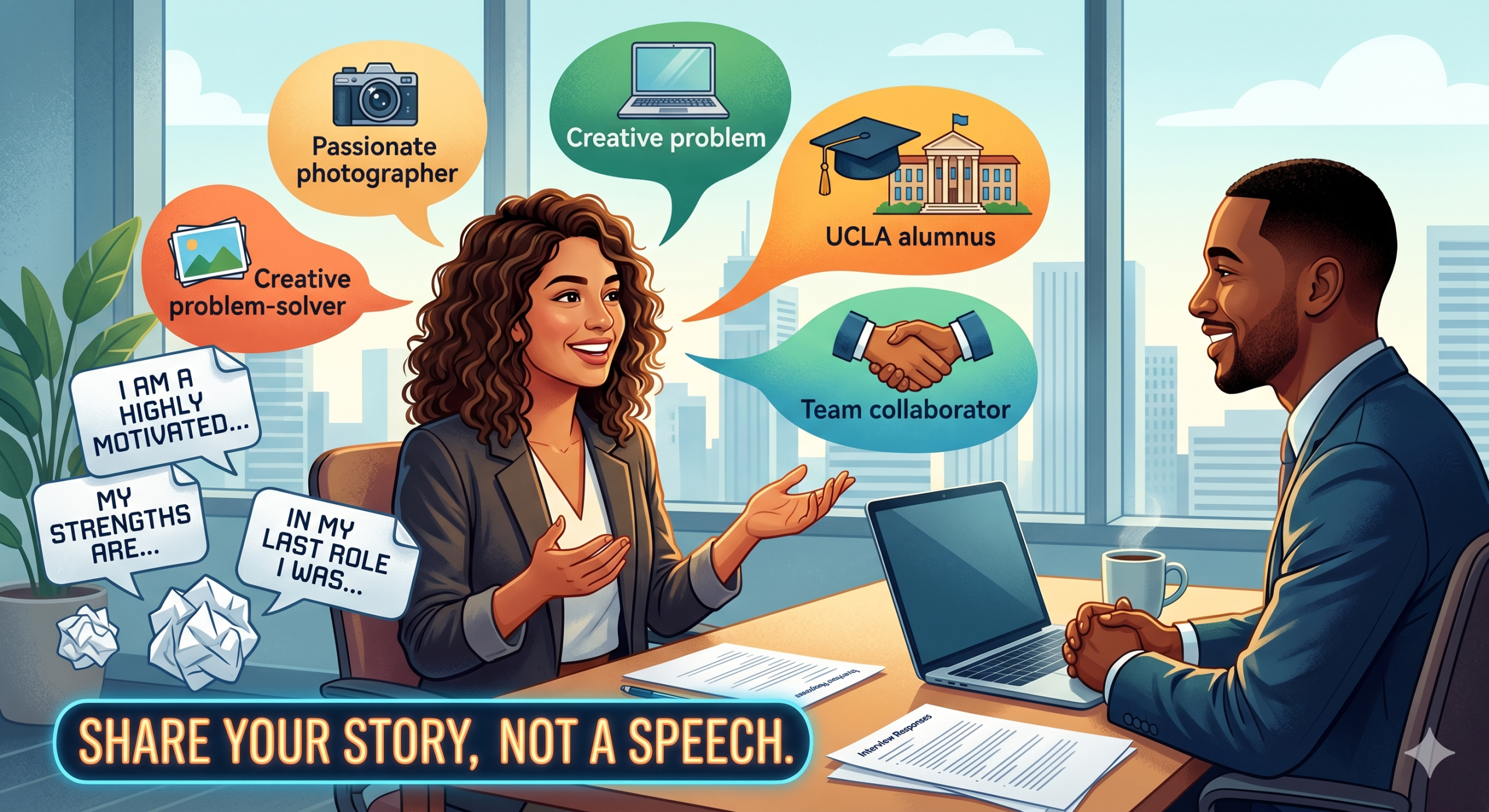
Few interview questions are as common—or as misunderstood—as “Tell me about yourself.” It is often the first question asked in an interview, setting the tone for the entire conversation. Yet many candidates struggle with it. Some provide a lengthy life story, while others recite a memorized script that sounds robotic and Sounding rehearsed.
The purpose of this question is not for the interviewer to learn everything about your personal life. Instead, it is an opportunity to introduce yourself professionally, highlight your relevant experience, and explain why you are a strong fit for the role.
A strong response should feel natural, confident, and conversational. The goal is to create a clear narrative that connects your background, current skills, and future career goals. This guide explains how to answer the question effectively without sounding scripted while also preparing you for modern interviews, including remote and virtual hiring processes.
Understand What Interviewers Are Really Asking
When interviewers ask, “Tell me about yourself,” they are typically trying to understand:
- Your professional background
- Relevant experience
- Key skills
- Career direction
- Communication ability
- Fit for the role
They want a concise overview that helps them understand who you are professionally.
Think of this question as an opportunity to deliver your career summary rather than your life story.
Understanding the intention behind the question helps you create a focused and effective response.
Follow the Present-Past-Future Framework
One of the most effective ways to structure your answer is using the Present-Past-Future method.
Present
Explain your current role, studies, or professional focus.
Past
Discuss relevant experiences, achievements, or skills that led you to where you are today.
Future
Explain what you are looking for next and why the opportunity interests you.
This structure creates a logical flow and prevents your response from feeling disorganized.
For example:
“I currently work as a marketing coordinator where I manage content campaigns and social media initiatives. Before that, I completed my degree in business administration and gained experience through internships focused on digital marketing. Now, I’m looking for an opportunity where I can continue developing my marketing skills while contributing to larger strategic projects.”
The answer feels natural because it tells a story rather than listing facts.
Focus on Relevant Information
Many candidates make the mistake of sharing unnecessary details.
Avoid discussing:
- Childhood stories
- Unrelated hobbies
- Personal history unrelated to the role
- Excessive details about previous jobs
Instead, focus on information that supports your candidacy.
Relevant topics include:
- Professional experience
- Education
- Key accomplishments
- Industry expertise
- Career goals
Every detail should help the interviewer understand why you are a strong fit for the position.
Highlight Achievements, Not Just Responsibilities
Interviewers want evidence of impact.
Instead of simply describing what you did, explain what you Sounding accomplished.
For example:
Instead of:
- “I managed social media accounts.”
Say:
- “I managed social media campaigns that increased audience engagement by 35% over six months.”
Instead of:
- “I assisted with recruitment.”
Say:
- “I supported hiring initiatives that reduced average recruitment time by 20%.”
Achievements make your introduction more memorable and credible.
Keep It Conversational
One reason candidates sound scripted is that they memorize responses word for word.
Rather than memorizing exact sentences, remember key points.
Think of your response as a conversation rather than a performance.
To sound natural:
- Use your own words
- Vary your phrasing
- Maintain eye contact
- Speak at a comfortable pace
- Focus on sharing your story
Preparation is important, but over-rehearsal can make responses feel robotic.
Interviewers generally prefer authenticity over perfection.
Adapt Your Answer to the Position
A strong response should always reflect the role you are pursuing.
For example:
Applying for a Marketing Role
Emphasize:
- Campaign experience
- Content creation
- Analytics skills
Applying for a Project Management Role
Highlight:
- Organization
- Team coordination
- Process improvement
Applying for a Remote Position
Discuss:
- Self-management
- Communication skills
- Remote collaboration experience
Tailoring your response demonstrates preparation and genuine interest in the opportunity.
Include Skills Relevant to Remote Work
Many organizations now operate in hybrid or fully remote environments.
Employers often value candidates who can work independently and communicate effectively.
Relevant skills may include:
- Time management
- Virtual collaboration
- Digital communication
- Project coordination
- Productivity management
If you have remote work experience, briefly mention it when relevant.
For example:
“I’ve also worked with distributed teams across different locations, which helped me develop strong communication and self-management skills.”
This can be particularly valuable for remote and global roles.
Practice Without Memorizing
Preparation remains important, but the goal is familiarity rather than memorization.
A practical approach is to create bullet points covering:
- Current role or education
- Relevant experience
- Major achievements
- Career goals
Practice explaining these points naturally.
You should be able to adapt your response depending on:
- Interview length
- Role requirements
- Interviewer preferences
Flexibility helps your answer Sounding sound authentic and engaging.
Common Mistakes to Avoid
Many candidates weaken their response through avoidable errors.
Being Too Long
Aim for approximately 60–90 seconds.
Sharing Irrelevant Information
Stay focused on your professional background.
Speaking Too Generally
Use specific examples and achievements.
Sounding Overly Rehearsed
Avoid reciting memorized scripts.
Failing to Connect to the Role
Always explain why your background is relevant.
Avoiding these mistakes can significantly improve your interview performance.
Sample Answer for a Fresher
“Recently, I completed my degree in computer science, where I developed strong analytical and problem-solving skills through academic projects and internships. During my internship, I worked on software testing and collaborated with team members to improve application performance. I particularly enjoyed solving technical challenges and learning how development teams operate in professional environments. I’m now looking for an opportunity where I can apply my technical skills, continue learning, and contribute to meaningful projects while growing within the organization.”
This answer is structured, relevant, and conversational.
Sample Answer for an Experienced Professional
“I currently work as an HR specialist, focusing on recruitment and employee engagement initiatives. Over the past five years, I’ve helped streamline hiring processes and improve onboarding experiences for new employees. One of my recent projects reduced average hiring time by nearly 25%, which significantly improved recruitment efficiency. I’m now looking for a role where I can take on greater strategic responsibilities and contribute to broader talent development initiatives.”
The answer highlights experience, achievements, and future goals without sounding rehearsed.
Preparing for Interviews Through Practice
Strong interview performance comes from preparation and reflection.
Helpful preparation strategies include:
- Conducting mock interviews
- Recording practice responses
- Reviewing job descriptions
- Researching the company
- Identifying key achievements
The more familiar you are with your professional story, the more naturally you will communicate it.
Confidence often comes from preparation rather than memorization.
Finding Opportunities to Apply Your Interview Skills
Interview preparation becomes more valuable when paired Sounding with access to quality opportunities.
Global career platforms such as BEST JOB TOOL help professionals discover roles across industries while providing insights into employer expectations and hiring trends.
BEST JOB TOOL also helps candidates understand in-demand skills, remote work opportunities, and evolving workforce needs, allowing them to tailor interview responses more effectively.
Practicing strong communication skills while staying informed about market trends can significantly improve career outcomes.
Conclusion
“Tell me about yourself” may seem like a simple question, but it offers a powerful opportunity to shape an interviewer’s first impression. A strong answer should be concise, relevant, and structured around your current situation, past experiences, and future goals.
Rather than memorizing a script, focus on understanding your professional story and communicating it naturally. Highlight achievements, tailor your response to the role, and maintain a conversational tone. These strategies will help you sound confident, authentic, and prepared.
As hiring processes continue evolving, especially in remote and digital environments, strong communication remains one of the most valuable career skills. Combined with opportunities discovered through platforms like BEST JOB TOOL, effective interview preparation can help professionals stand out and move confidently toward their next career opportunity.




Leave a Reply