
Introduction: Resume Versions
In today’s competitive job market, having just one resume is not enough. Different jobs require different skills, and recruiters look for specific qualities based on the role. That’s why creating multiple versions of your resume is important. But while doing this, many people make a mistake — they lose consistency.
Your resume should always reflect your true skills, experience, and personality. Changing it too much can make it look confusing or even dishonest. So the challenge is simple: how can you customize your resume for different jobs without losing consistency?
Let’s understand this step by step.
How to Create Different Resume Versions Without Losing Consistency?
Step 1: Create a Master Resume
Before making different versions, you need one strong base — your master resume.
A master resume includes:
- All your skills
- All your experiences
- All your achievements
- All projects you have worked on
This document will not be sent to recruiters. It is only for your reference.
Think of it as your “resume database.”
From this, you will create customized versions.
Step 2: Understand the Job Description
Before editing your resume, read the job description carefully.
Look for:
- Required skills
- Keywords used
- Responsibilities mentioned
- Tools or platforms required
For example:
If the job mentions:
- SEO writing
- Keyword research
- Blog optimization
Then your resume should highlight these skills clearly.
Do not guess. Always match your resume with the job requirements.
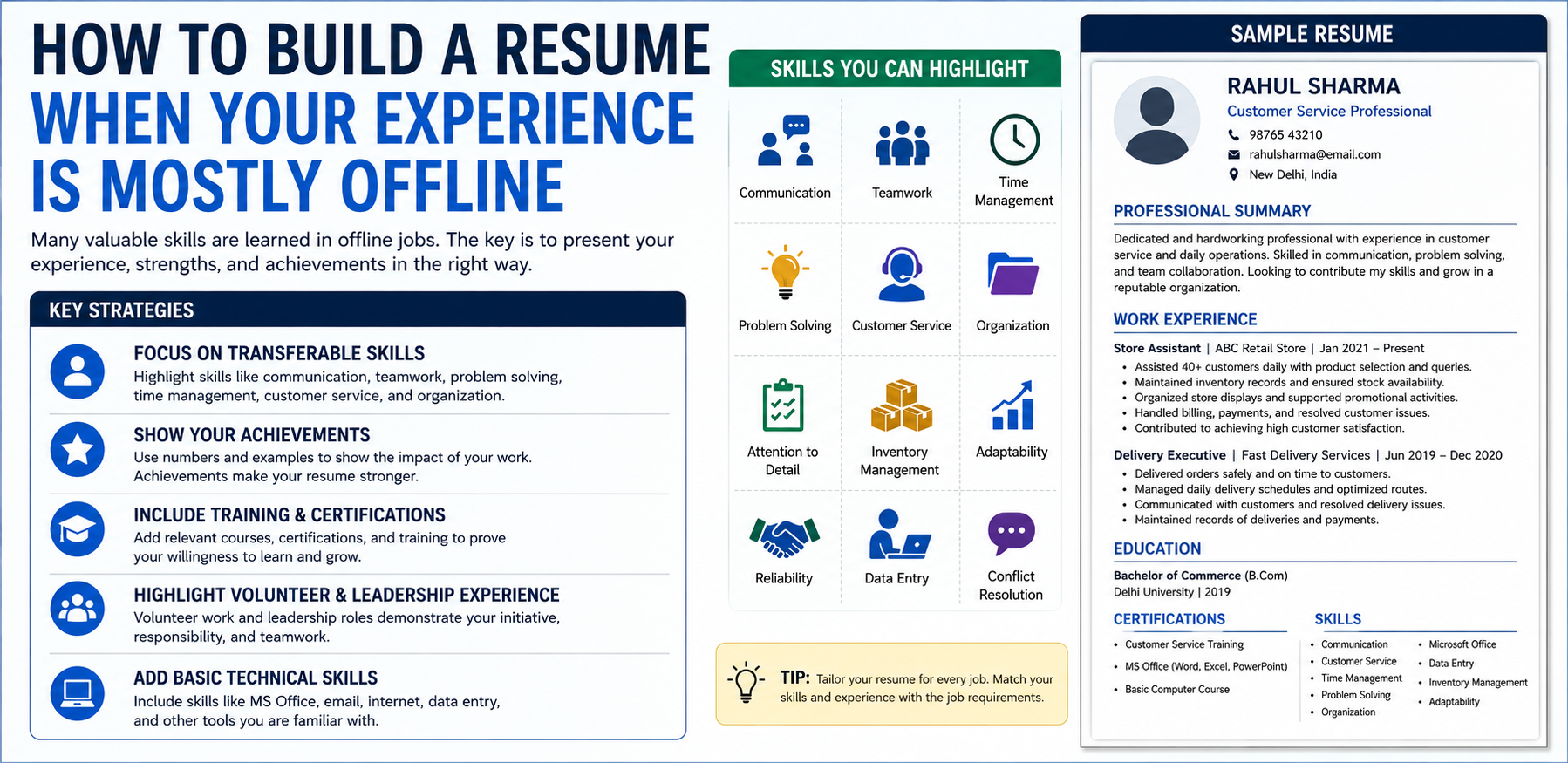
Step 3: Keep Core Information Same
Some parts of your resume should never change.
These include:
- Your name and contact details
- Your education
- Company names and job titles
- Dates of experience
This is your identity. Changing this will break consistency.
Even if you are customizing, keep these sections stable.
Step 4: Customize Your Resume Summary
Your resume summary is the first thing recruiters read. This is where you can customize the most.
Example:
For a content writing role:
“Creative content writer with experience in blog writing, storytelling, and audience engagement.”
For a marketing role:
“Content writer with strong knowledge of SEO, digital marketing, and content strategy.”
Both are true, but each is focused on a different role.
This is smart customization without losing consistency.
Step 5: Adjust Skills Section
You don’t need to list all your skills in every resume.
Instead:
- Highlight the most relevant skills first
- Remove less important ones for that role
Example:
For SEO job:
- Keyword research
- On-page SEO
- Google Analytics
For social media job:
- Content creation
- Instagram captions
- Audience engagement
Same person, same skills — just different focus.
Step 6: Modify Experience Descriptions
Your job experience stays the same, but how you describe it can change.
Let’s say you worked as a content writer.
For one resume:
“Wrote SEO-optimized blogs to increase website traffic.”
For another:
“Created engaging content for social media platforms to boost audience interaction.”
You are not changing your work — you are highlighting different parts of it.
This keeps your resume consistent but relevant.
Step 7: Use Keywords Smartly
Many companies use Applicant Tracking Systems (ATS) to filter resumes.
These systems look for keywords.
That’s why you should:
- Use keywords from the job description
- Include them naturally in your resume
But don’t overuse them. It should still feel natural.
For example:
If the job mentions “content strategy,” include it where relevant.
Step 8: Keep Formatting Same
Consistency is not only about content — it is also about design.
Use the same:
- Font style
- Font size
- Layout
- Structure
This makes your resume look professional and organized.
If each version looks completely different, it can create confusion.
Step 9: Maintain a Clear Career Direction
Even with different resumes, your career direction should be clear.
Ask yourself:
- What is my main career goal?
- What roles am I targeting?
If your resumes are too different, it may look like:
- You are unsure about your career
- You are applying randomly
For example:
Content writing, copywriting, and social media roles are related — this is fine.
But applying for:
- Content writer
- Software developer
- Graphic designer
with different resumes may confuse recruiters.
Stay focused.
Step 10: Track Your Resume Versions
When you create multiple resumes, it’s easy to get confused.
So keep track:
- Name your files clearly
Example: Resume_ContentWriter.pdf, Resume_SEO.pdf - Save them in one folder
- Keep notes on where you applied
This helps you stay organized and avoid mistakes.
Conclusion: Resume Versions
Creating different resume versions is not about changing who you are. It is about presenting your skills in the best way for each opportunity.
Always remember:
- Start with a strong master resume
- Customize based on job requirements
- Keep your core information same
- Stay honest and clear
Consistency builds trust, and customization improves your chances.
When you balance both, your resume becomes powerful.



Leave a Reply