Introduction
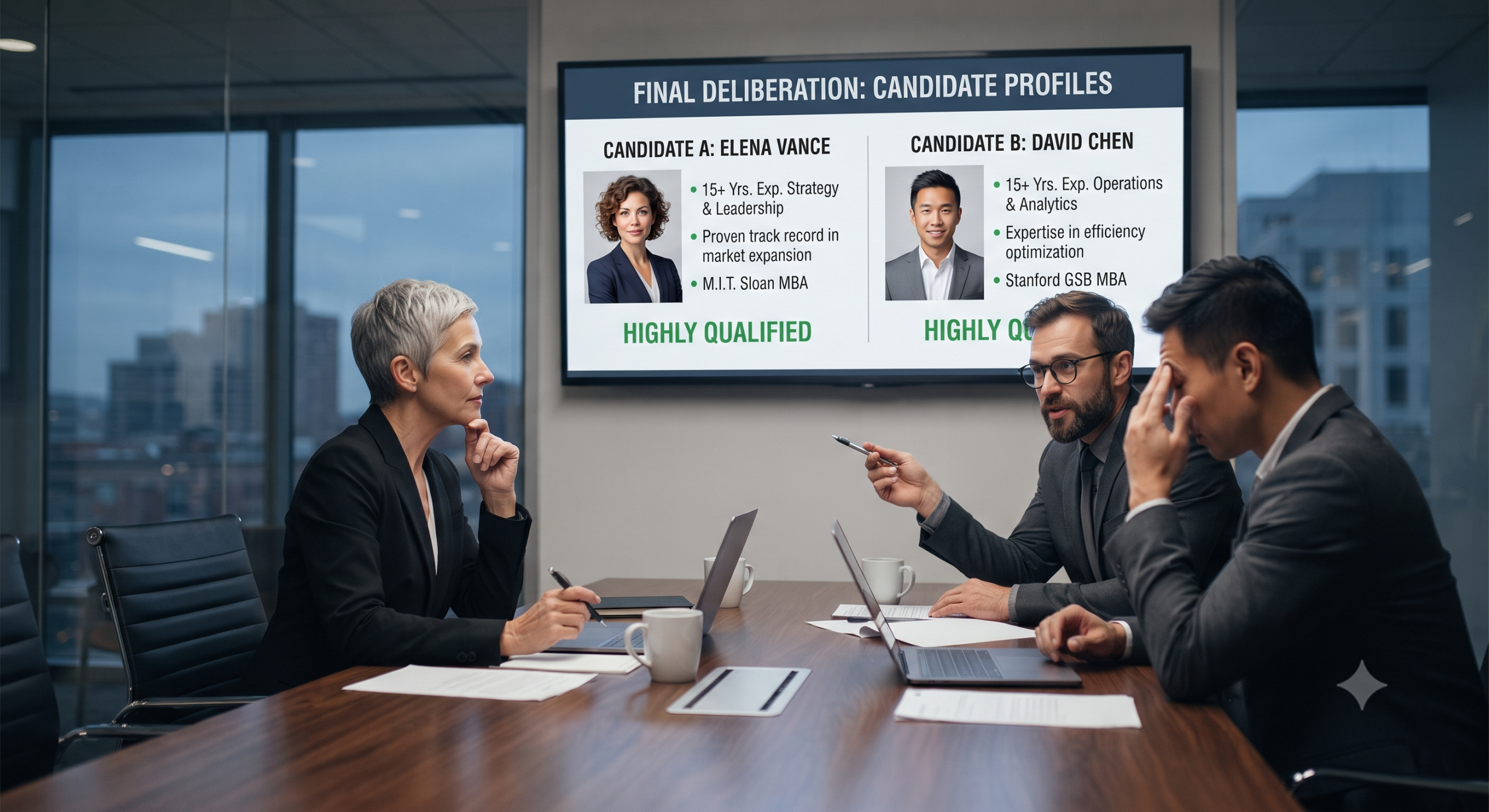
Reaching the final stage of a hiring process is a significant achievement. By this point, you’ve already demonstrated that you have the skills, experience, and qualifications needed Qualified for the role. However, many candidates are surprised to learn that the final decision often comes down to factors beyond technical expertise.
When two finalists are equally qualified, hiring managers must look deeper to determine who is the better overall choice for the organization. They evaluate communication, problem-solving ability, cultural contribution, long-term potential, professionalism, and how each candidate is likely to perform within the team. Sometimes, the difference between receiving an offer and receiving a rejection is remarkably small.
Understanding how these final decisions are made can help you prepare more effectively for interviews and increase your chances of standing out when competition is strongest. This guide explains the factors hiring managers consider when choosing between equally qualified candidates and how you can position yourself as the preferred choice.
Technical Skills Are No Longer the Deciding Factor
By the final interview stage, both candidates usually meet the technical requirements of the role.
Hiring managers generally assume both finalists can:
- Perform the required responsibilities
- Learn company systems
- Meet performance expectations
- Contribute to the team
Since technical ability is no longer the differentiator, attention shifts toward qualities that are harder to measure on a résumé.
The final hiring decision often depends on who appears most likely to succeed within the organization’s specific environment.
Communication Can Determine the Outcome
Strong communication consistently influences hiring decisions.
Interviewers observe:
- Clarity of responses
- Active listening
- Confidence without arrogance
- Professional language
- Ability to explain complex ideas simply
Candidates who communicate clearly often create greater confidence among hiring managers.
Even when technical expertise is identical, the person who explains their experience more effectively frequently leaves a stronger impression.
Professionalism Throughout the Hiring Process Matters
Hiring managers evaluate every interaction—not just the Qualified interview itself.
They notice:
- Email communication
- Response times
- Interview punctuality
- Preparation
- Courtesy toward recruiters
- Respect for everyone involved
Professional behavior demonstrates reliability and maturity.
Simple actions such as sending a thoughtful Qualified thank-you email after an interview can reinforce a positive impression.
Cultural Contribution Becomes More Important
When qualifications are nearly identical, hiring managers consider how each candidate will contribute to the team.
They evaluate:
- Collaboration style
- Adaptability
- Emotional intelligence
- Respect for diverse perspectives
- Leadership potential
- Willingness to learn
Rather than hiring someone who simply “fits in,” many organizations now seek candidates who add fresh ideas while supporting the company’s core values.
Behavioral interview questions often reveal these characteristics more effectively than technical assessments.
Long-Term Growth Potential Influences Decisions
Employers rarely hire only for today’s responsibilities.
They also consider future opportunities.
Questions hiring managers often ask include:
- Can this person grow into leadership?
- Will they continue learning?
- Can they handle greater responsibility?
- Are they interested in long-term development?
Candidates who express curiosity, ambition, and commitment to continuous improvement often receive favorable consideration.
Demonstrating a growth mindset signals that you can deliver value well beyond your initial role.
References and Reputation Can Tip the Balance
When finalists appear equally strong, reference checks become increasingly important.
Hiring managers may compare:
- Reliability
- Teamwork
- Leadership
- Work ethic
- Professional integrity
- Communication skills
Consistently positive references help reduce uncertainty during the final decision.
Maintain strong professional relationships throughout your career because former managers and colleagues often influence future opportunities.
Remote Work Readiness Can Make a Difference
Many organizations now evaluate candidates based on their ability to succeed in remote or hybrid environments.
Hiring managers may consider:
- Self-motivation
- Time management
- Digital communication
- Independent decision-making
- Virtual collaboration
- Experience using remote work tools
If you’ve successfully managed projects remotely or collaborated across different locations, mention these experiences during your interview.
When exploring flexible career opportunities, best job tool, a global job platform, can help you discover remote and hybrid positions where these capabilities are highly valued.
Business Thinking Sets Candidates Apart
Hiring managers appreciate professionals who understand broader business objectives.
Instead of discussing only tasks, explain how your work contributed to:
- Revenue growth
- Customer satisfaction
- Cost reduction
- Operational efficiency
- Risk management
- Innovation
Showing that you understand business impact demonstrates strategic thinking.
This perspective often distinguishes strong candidates from exceptional ones.
Small Details Create Big Advantages
Final hiring decisions are sometimes influenced by subtle differences.
Examples include:
- Better interview preparation
- More thoughtful questions
- Stronger storytelling
- Greater enthusiasm
- Clearer career goals
- More relevant examples
These details build confidence that you’re genuinely interested in the opportunity.
As you continue your career journey, best job tool can help you connect with employers seeking professionals who combine technical expertise with strong communication, collaboration, and long-term potential.
Conclusion
When two finalists are equally qualified, hiring managers look beyond résumés and technical skills to determine who will contribute most effectively to the organization. Communication, professionalism, cultural contribution, growth potential, business thinking, and remote work readiness often become the deciding factors.
The encouraging reality is that these qualities can be developed through preparation and experience. By presenting measurable achievements, demonstrating genuine interest in the company, communicating confidently, and showcasing your ability to collaborate and grow, you can improve your chances of becoming the preferred candidate. As you pursue your next opportunity, best job tool, a global job platform, can help you discover remote, hybrid, and global roles where employers recognize both your skills and your long-term potential.

Leave a Reply