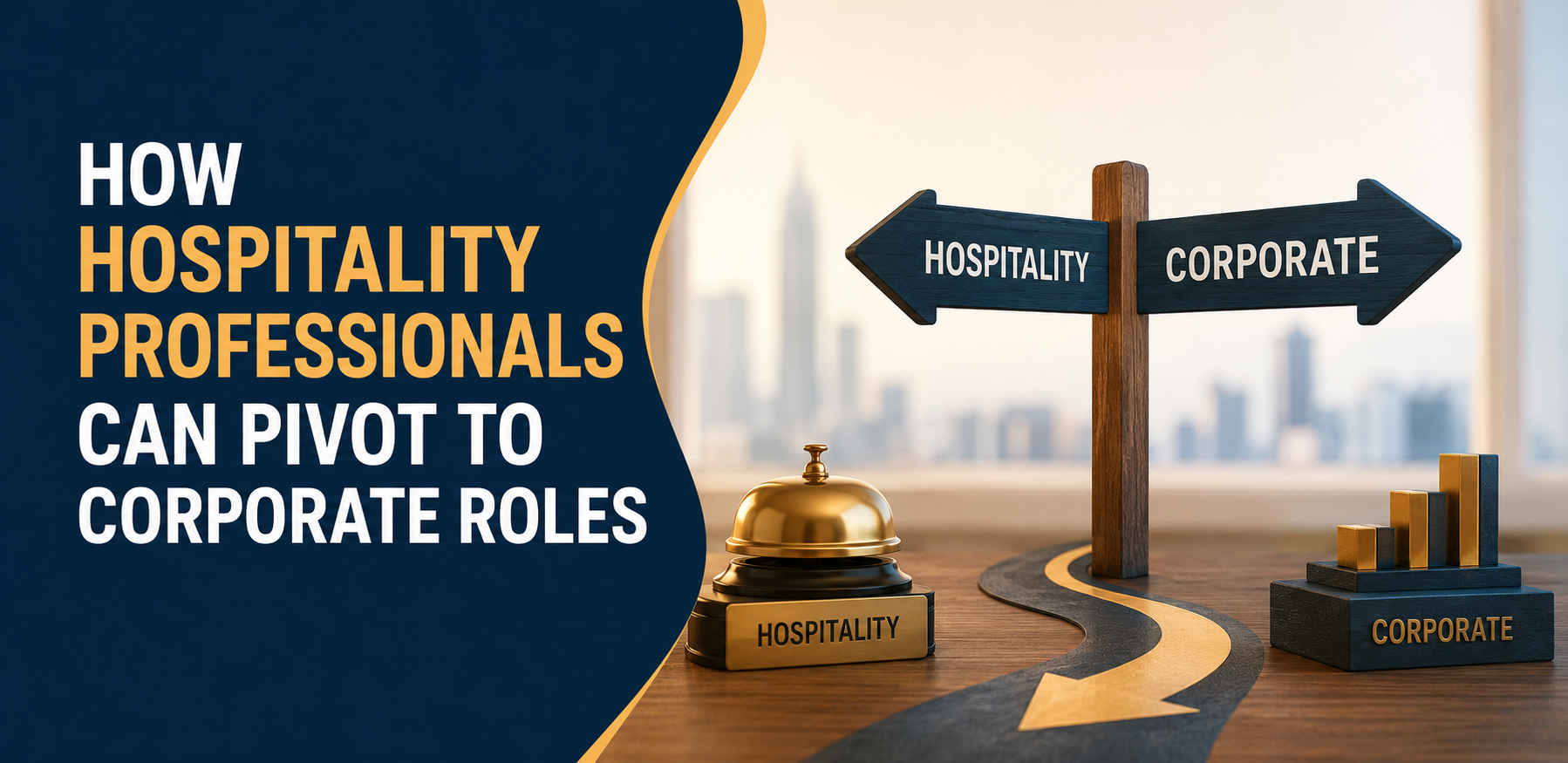
Introduction: Hospitality Professionals Can Pivot to Corporate Roles
The hospitality industry is one of the most dynamic industries in the world. Hotels, restaurants, resorts, travel companies, and event businesses depend on hospitality professionals to create positive customer experiences. People working in hospitality often develop strong communication, problem-solving, customer service, and teamwork skills.
However, many hospitality professionals eventually think about moving into corporate roles. Some want better work-life balance, while others want higher salaries, career growth, or new challenges. The good news is that hospitality professionals already have many transferable skills that corporate employers value.
Transitioning from hospitality to a corporate role may seem difficult at first, but with the right strategy, it is completely possible. In this article, we will explore how hospitality professionals can pivot to corporate roles
How Hospitality Professionals Can Pivot to Corporate Roles?
1. Understanding Transferable Skills
One of the biggest mistakes hospitality professionals make is assuming they have to start from zero. In reality, many hospitality skills are highly valuable in corporate environments.
Transferable skills are abilities that can be used in different industries and job roles.
Hospitality professionals often have strong skills in:
Customer Service
Hospitality employees spend their careers helping customers, solving complaints, and creating positive experiences.
Corporate companies also value professionals who understand customer needs and can maintain strong client relationships.
Communication
Whether speaking with guests, coworkers, vendors, or management, hospitality workers communicate constantly.
Corporate roles require effective communication through meetings, emails, presentations, and collaboration.
Problem Solving
Hospitality environments are fast-paced. Unexpected situations happen every day.
Professionals learn how to think quickly, stay calm under pressure, and find solutions.
These abilities are valuable in corporate settings as well.
Teamwork
Hotels, restaurants, and events depend on teamwork.
Corporate organizations also rely on employees who can collaborate with different departments and teams.
Time Management
Managing multiple tasks during busy shifts develops excellent organizational skills.
Corporate employers appreciate professionals who can prioritize work and meet deadlines.
2. Corporate Roles Suitable for Hospitality Professionals
Many corporate positions align naturally with hospitality experience.
Customer Success Manager
Customer success professionals help clients achieve their goals while maintaining strong relationships.
Hospitality experience in guest satisfaction and customer support makes this transition easier.
Human Resources
Hospitality professionals often work closely with staff, training, recruitment, and employee relations.
These experiences can support a move into HR roles.
Sales Representative
Sales roles require communication, relationship building, and understanding customer needs.
Hospitality professionals often excel in these areas.
Operations Coordinator
Operations teams focus on improving efficiency and managing processes.
Hospitality workers already understand how to handle daily operations and solve problems.
Administrative Roles
Administrative positions require organization, scheduling, communication, and coordination.
Many hospitality professionals already perform similar tasks.
3. Identify Your Career Goal
Before applying for jobs, it is important to decide what type of corporate role you want.
Many people apply for every available position without a clear direction. This often leads to frustration.
Ask yourself:
- What skills do I enjoy using?
- Which tasks do I perform best?
- What type of work environment do I prefer?
- Do I enjoy working with customers, employees, or data?
- Do I want a leadership role?
Answering these questions can help you focus your job search.
4. Learn Corporate Language
One challenge during the transition is translating hospitality experience into language corporate recruiters understand.
For example:
Instead of saying:
“Handled guest complaints.”
You can say:
“Resolved customer concerns while maintaining high satisfaction levels.”
Instead of saying:
“Managed hotel front desk operations.”
You can say:
“Oversaw daily operational activities and coordinated customer service processes.”
Corporate employers often focus on business outcomes and results.
Learning this language can make your experience appear more relevant.
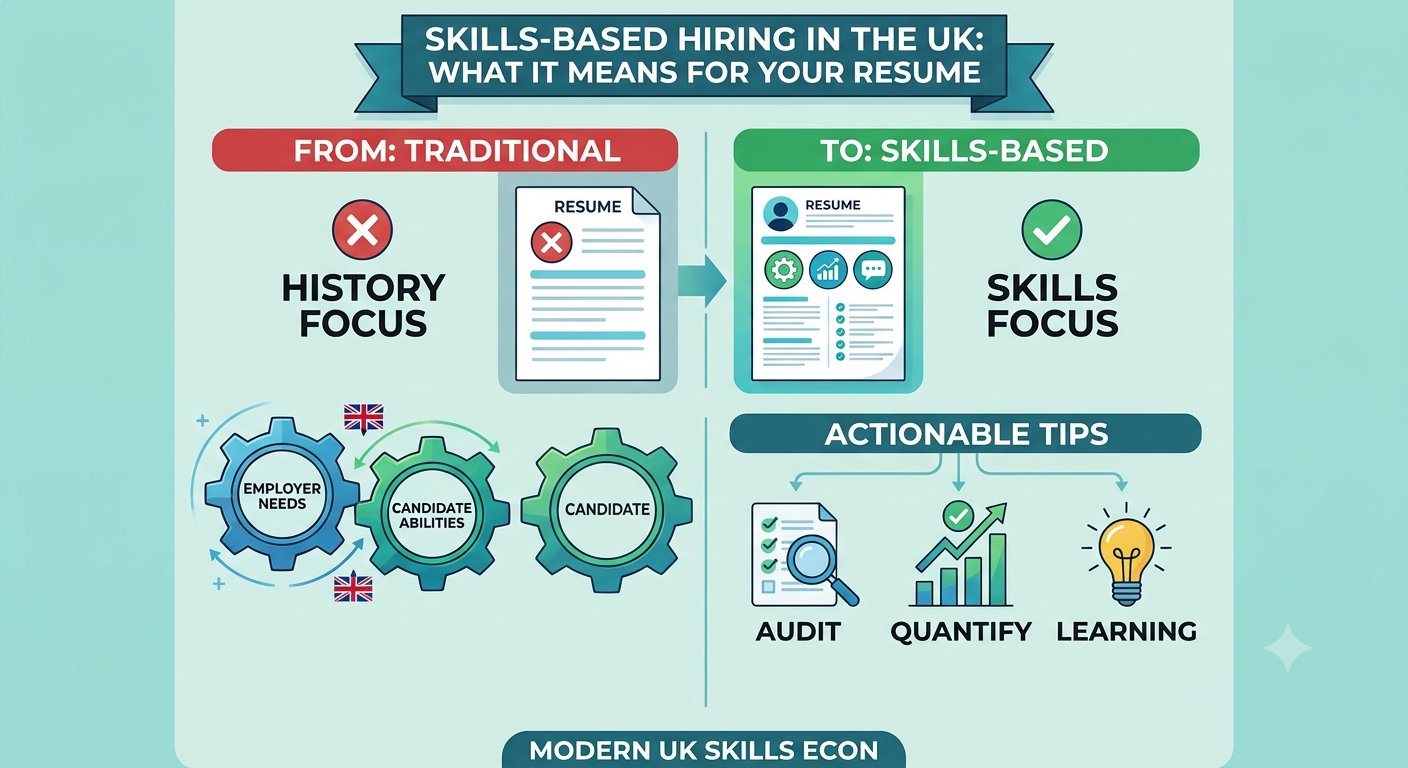
5. Update Your Resume
Your resume is one of the most important tools during a career transition.
Instead of listing only responsibilities, focus on achievements and results.
For example:
Instead of:
- Assisted guests with check-in and check-out.
Write:
- Provided customer support for over 100 guests daily while maintaining service quality.
Instead of:
- Managed team schedules.
Write:
- Coordinated employee scheduling to ensure smooth daily operations.
Use action words such as:
- Managed
- Coordinated
- Improved
- Led
- Organized
- Developed
- Resolved
- Implemented
- Supported
These words sound more professional and align with corporate expectations.
6. Build Digital Skills
Many corporate jobs require familiarity with digital tools.
Hospitality professionals should invest time in learning basic business software.
Useful skills include:
- Microsoft Excel
- Microsoft Word
- PowerPoint
- Google Workspace
- Project management tools
- CRM software
- Data analysis basics
Many free online courses can help build these skills.
You do not need to become an expert immediately. Even basic knowledge can improve your job prospects.
Conclusion: Hospitality Professionals Can Pivot to Corporate Roles
Hospitality professionals already possess many of the skills needed to succeed in corporate roles. Customer service, communication, leadership, teamwork, adaptability, and problem-solving are highly valued across industries.
The key to a successful transition is understanding how to present these skills in a corporate context. By updating your resume, building digital skills, expanding your network, learning business concepts, and preparing for interviews, you can position yourself for new opportunities.


Leave a Reply