Introduction
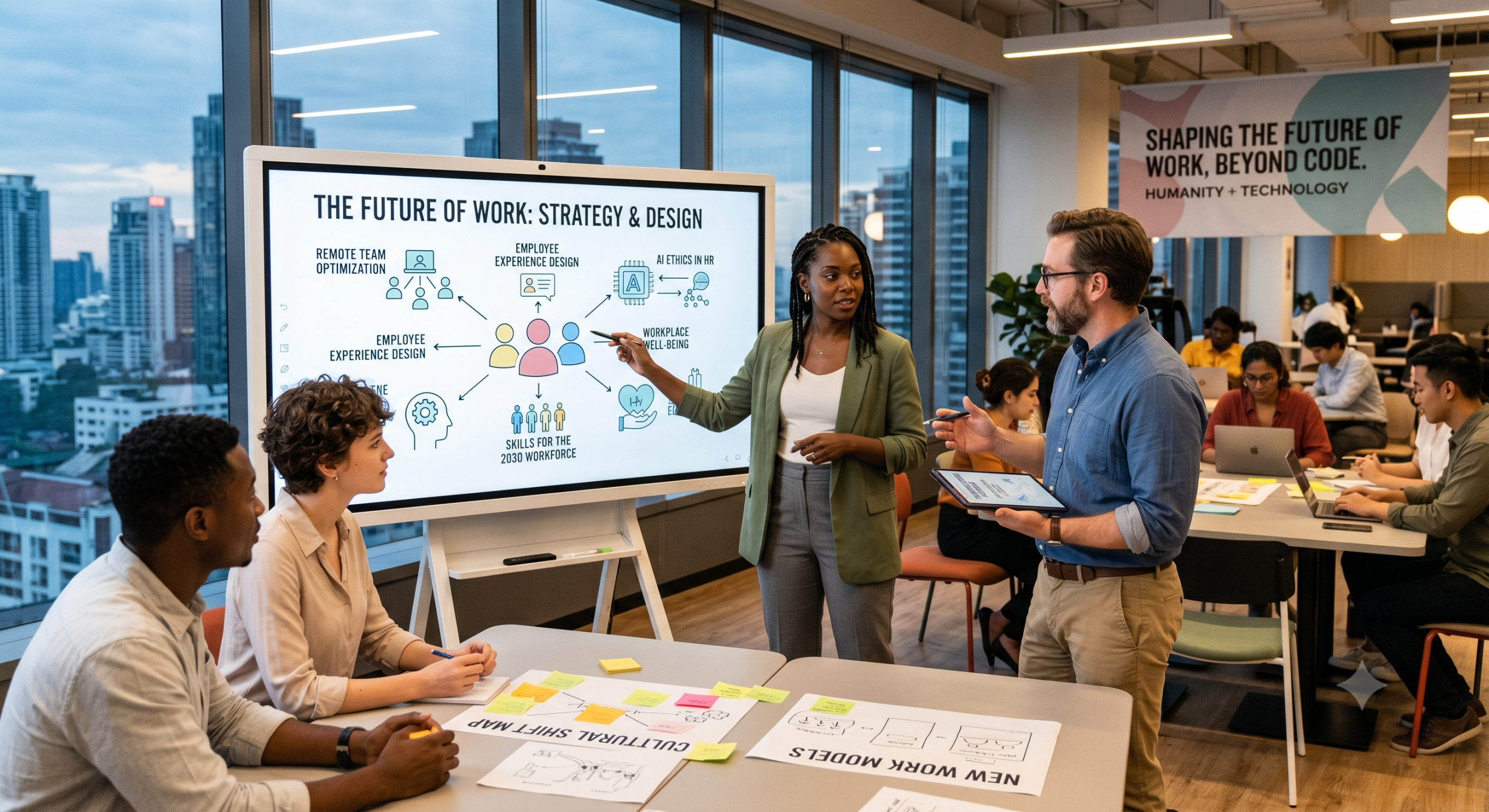
When people hear terms like artificial intelligence, automation, digital transformation, and the future of work, they often assume that only software developers and engineers can participate in shaping these changes. While technology plays a major role in workplace evolution, the future of work is about much more than Coder.
Organizations need professionals who understand people, workforce trends, business strategy, employee experience, learning and development, policy, communication, and organizational change. As companies adapt to new ways of working, non-technical professionals are becoming just as important as technical experts in helping organizations navigate this transformation.
The future of work involves redesigning how people collaborate, learn, manage careers, and interact with technology. This creates exciting opportunities for individuals from diverse backgrounds who want to influence workplace innovation without writing code.
This guide explores practical ways to build a career in the future of work, even if you have no programming experience.
Understanding What the Future of Work Really Means
The future of work refers to the ongoing changes affecting how Coder organizations operate and how people perform their jobs.
Key trends include:
- Remote and hybrid work
- Artificial intelligence adoption
- Workforce automation
- Skills-based hiring
- Flexible employment models
- Employee well-being initiatives
- Digital collaboration
- Continuous learning and reskilling
While technology enables many of these changes, successful implementation depends heavily on human-centered decision-making.
Organizations need professionals who can help employees adapt, communicate effectively, and create positive workplace experiences.
Why Non-Technical Professionals Are Essential
Technology alone cannot solve workplace challenges.
Organizations must address questions such as:
- How should teams collaborate remotely?
- How can employees learn new skills?
- What workplace policies are needed?
- How can organizations improve employee engagement?
- How should AI be introduced responsibly?
- What skills will workers need in the future?
These challenges require expertise in communication, leadership, workforce planning, education, research, and organizational development.
As a result, many future-of-work careers focus more on people than technology.
Career Path 1: Workforce Research and Labor Market Analysis
Workforce researchers study employment trends, skills demand, hiring patterns, and workplace changes.
Responsibilities may include:
- Analyzing labor market data
- Tracking emerging skills
- Studying workforce demographics
- Monitoring employment trends
- Publishing research reports
This field is ideal for professionals who enjoy research, analysis, and understanding how industries evolve.
Strong analytical thinking is more important than coding expertise.
Career Path 2: Organizational Development
Organizational development professionals help businesses adapt to changing workplace environments.
Common responsibilities include:
- Change management
- Leadership development
- Employee engagement initiatives
- Culture transformation
- Workforce planning
As organizations continue to evolve, professionals who can guide workplace transformation are increasingly valuable.
Career Path 3: Learning and Development
The future of work depends heavily on continuous learning.
Learning and development professionals help Coder employees build new skills and remain competitive.
Typical responsibilities include:
- Designing training programs
- Managing learning platforms
- Creating development pathways
- Supporting reskilling initiatives
- Measuring learning outcomes
As technology changes job requirements, demand for learning professionals continues to grow.
Career Path 4: Employee Experience and Workplace Strategy
Employee experience specialists focus on creating productive and engaging work environments.
Responsibilities may include:
- Workplace design
- Employee feedback programs
- Remote work initiatives
- Well-being strategies
- Engagement measurement
These professionals help organizations attract and retain talent in increasingly competitive labor markets.
Career Path 5: Human Resources and Talent Strategy
Modern HR extends far beyond administrative functions.
Future-focused HR professionals contribute to:
- Workforce planning
- Talent acquisition
- Skills development
- Remote work policies
- Diversity and inclusion initiatives
HR leaders often play a central role in helping organizations prepare for future workforce challenges.
Career Path 6: Future of Work Consulting
Consultants advise organizations on emerging workplace trends and transformation strategies.
Projects may involve:
- Hybrid work models
- Digital workplace adoption
- Organizational redesign
- Workforce analytics
- Employee engagement strategies
Consulting offers opportunities to work across industries and influence large-scale workplace initiatives.
Develop Skills That Matter in the Future of Work
Technical expertise is valuable, but many future-of-work roles emphasize human and strategic skills.
Key competencies include:
Communication
The ability to explain complex ideas clearly.
Research and Analysis
Understanding trends and interpreting data.
Problem-Solving
Developing practical solutions to workplace challenges.
Change Management
Helping organizations adapt successfully.
Project Management
Coordinating initiatives across teams and stakeholders.
Strategic Thinking
Understanding long-term workforce implications.
These skills remain highly valuable regardless of technological changes.
Learn About Remote Work and Digital Collaboration
Remote work has become one of the defining trends of the future workplace.
Professionals interested in future-of-work careers should understand:
- Virtual communication
- Distributed team management
- Digital productivity tools
- Collaboration platforms
- Employee engagement in remote environments
Experience working with remote teams can strengthen your credibility and improve career opportunities.
Many future-of-work roles themselves are remote-friendly, creating additional flexibility.
Build Knowledge of AI Without Becoming a Programmer
You do not need to build AI systems to contribute to AI-related workplace initiatives.
Instead, focus on understanding:
- How AI affects jobs
- Workforce implications of automation
- Ethical considerations
- Employee adoption strategies
- Reskilling requirements
Organizations increasingly need professionals who can bridge the gap between technology and people.
Understanding the business impact of AI is often more valuable than technical implementation skills in many future-of-work roles.
Create Thought Leadership and Professional Visibility
Future-of-work careers often reward professionals who actively share insights and ideas.
Consider:
- Writing LinkedIn articles
- Publishing workforce research
- Speaking at events
- Participating in industry discussions
- Creating educational content
Sharing knowledge helps build credibility and demonstrates expertise.
Thought leadership can significantly expand professional opportunities over time.
Financial Planning for Long-Term Career Success
Future-of-work careers often involve continuous Coder learning.
Invest in:
- Professional certifications
- Industry conferences
- Leadership development
- Research skills
- Communication training
These investments improve long-term earning Coder potential and career flexibility.
Professionals who consistently update their skills are often better positioned to adapt as workplace demands evolve.
Finding Opportunities in the Future of Work
The future-of-work ecosystem spans multiple industries, including consulting, human resources, Coder education, workforce analytics, technology, and organizational development.
Global job platforms such as BEST JOB TOOL help professionals identify opportunities related to workforce strategy, employee experience, learning and development, remote work, and organizational transformation.
BEST JOB TOOL also provides insights into Coder emerging workforce trends, in-demand skills, and evolving employer expectations, helping professionals align their career development efforts with market needs.
Exploring opportunities across multiple industries can accelerate entry into this growing field.
Conclusion
Working on the future of work does not require coding expertise. While technology is reshaping workplaces, organizations need professionals who understand people, strategy, communication, learning, and organizational change. These human-centered skills are critical for helping businesses navigate workforce transformation successfully.
Careers in workforce research, organizational development, learning and development, employee experience, HR strategy, and consulting provide meaningful opportunities to influence how people work in the years ahead. By developing strong analytical, communication, and leadership skills, non-technical professionals can play a significant role in shaping modern workplaces.
As remote work, artificial intelligence, and workforce innovation continue to evolve, opportunities for non-coders will continue to expand. Combined with career insights and opportunities available through BEST JOB TOOL, professionals can build impactful careers that contribute directly to the future of work without ever needing to write a line of code.


Leave a Reply