Introduction
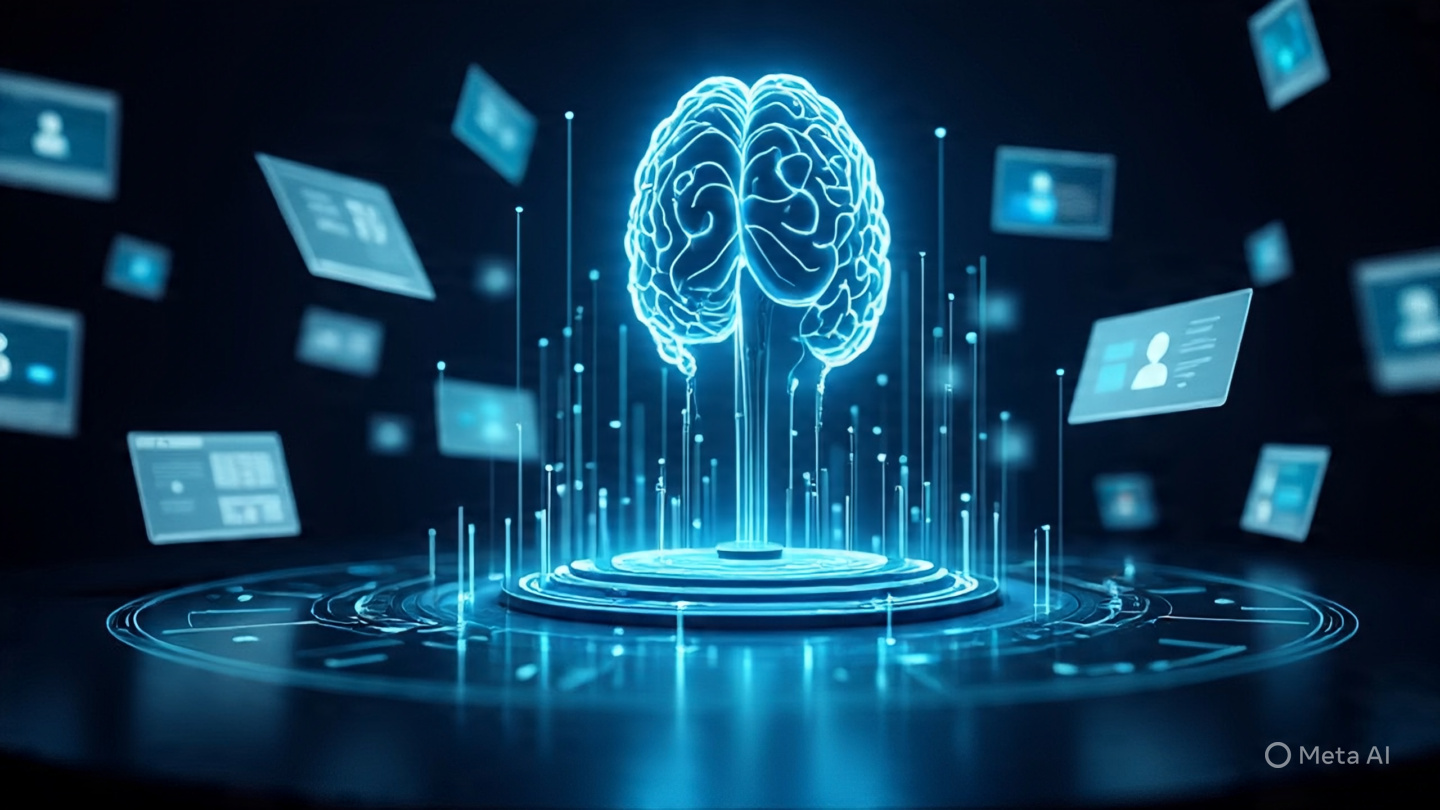
AI isn’t just “improving” campus hiring—it’s completely rewriting the rules. Over the next 3 years (2026–2029), campus recruitment will shift from a volume-based, degree-focused system to a skill-first, AI-driven, continuous hiring model.
Earlier hiring takes a week or a month because the recruiter has to check resumes manually, contacting candidates takes time, and scheduling interviews is also time-consuming. Now this work gets done in only a few days, and sometimes, in just a few hours, it is also just because of AI.
This article will help readers understand the role of AI in modern hiring, the latest technologies used in campus hiring, and how job seekers can prepare for AI-driven recruitment processes to increase their chances of getting hired.
How AI Will Change Campus Hiring in the Next 3 Years?
1. AI-Powered Resume Screening in Campus Hiring
In campus hiring, where thousands of freshers apply with similar resumes. Company gets hundreds or thousands of resumes, then checking resumes manually is very time-consuming. AI tools can automatically scan resume and extract important information, such as the name of the candidate, experience, education, skills, certification, etc.
Keyword scanning is also used so that the resume matches the job description. If the job description contains Python, project management, or SEO, then AI will search for those keywords and shortlist resumes matching the keywords. It saves time and makes the shortlisting process accurate. This means students must build keyword-optimized resumes and include real project experience to stand out.
2. AI in Candidate Assessment
For fresh graduates with limited experience, AI focuses more on skills, internships, and learning potential rather than job history. This creates opportunities for students from different academic backgrounds.
Platforms analyze millions of data points—skills, experience, job preferences, and even personality traits—to recommend the best-fit jobs for candidates and ideal candidates for employers.
Platforms like LinkedIn, Indeed, and ZipRecruiter use AI algorithms to provide personalized job suggestions and candidate recommendations. New AI recruitment startups are also emerging, offering smarter and faster global job matching solutions.
This technology is especially beneficial for remote hiring, as it enables companies to reach global talent while helping professionals find suitable opportunities across borders.
3. Predictive Analytics in Campus Hiring
Predictive analytics is a powerful tool in recruitment that helps in making data-driven hiring decisions. In campus hiring, predictive analytics helps companies identify which students are more likely to succeed based on academic performance, project work, and behavioral traits.
AI analyzes past hiring data, candidate profiles, and job requirements to predict which candidate would be the most suitable for the role. It takes into account factors like the candidate’s work history, skills, past job performance, and cultural fit.
For example, if a company has past data on which types of candidates have been successful in a particular role, AI can identify that pattern and score new candidates accordingly. This increases hiring accuracy and reduces the turnover rate.
4. AI for Candidate Experience
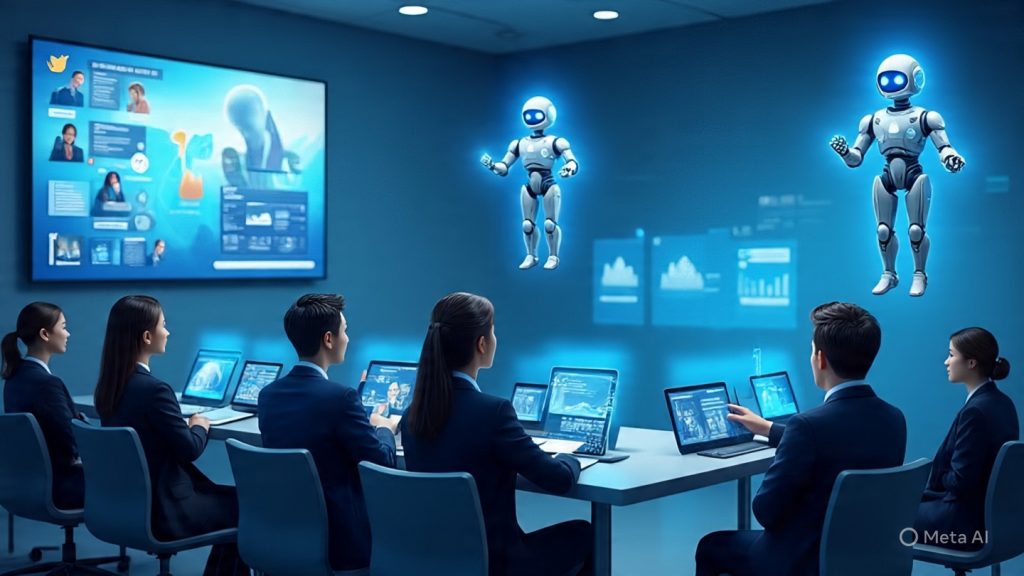
The AI-powered chatbot has become an integral part of the recruitment process. During campus placements, AI chatbots help students track application status, schedule interviews, and get instant updates—making the process faster and more transparent.
This chatbot provides instant interaction with the candidate, gives answers to questions, explains the job role, and creates an application status. For example, if any candidate asks what the status of my application is, then the chatbot checks the system in real time and gives a reply.
These chatbots are available 24/7, which is why candidates do not have to wait. The chatbots also send interview scheduling, reminder messages, and pre-interview instructions. Candidates’ experience gets better and the workload decreases with the help of this.
5. Video Interview and AI Analysis
Many companies now conduct initial campus interviews using AI tools, meaning students are evaluated digitally before interacting with human recruiters.
Through technology, AI can analyze candidates’ facial expressions, body language, tone of voice, and speech patterns so that recruiters get detailed insight. These tools can identify how confident candidates are, how naturally the candidate answers, and their communication skills.
Some AI platforms can also evaluate the answers to technical interviews and give instant feedback. The benefit of this is that recruiters don’t have to depend on gut feeling- AI provides a data-based analysis which makes decision-making better.
Conclusion
This article explored how Artificial Intelligence will change campus hiring in the next 3 years, from automating resume screening and interviews to improving candidate experience and decision-making.
It discussed the benefits of AI tools in reducing manual workload, speeding up recruitment, and making data-driven hiring decisions. At the same time, it highlighted the challenges of algorithmic bias and the need for ethical AI use in recruitment.
To compete the job market you need a strong guide and you can read the article on “How to prepare for the future job market” or your strong guide.
“Stay ahead of AI-driven hiring trends and explore future-ready opportunities on Best Job Tool built for the next generation of talent.”



Leave a Reply