
Introduction
In this article, we will understand what future-proof skills mean and how you can develop them strategically.
The world of work is changing very fast. Technology, automation, and artificial intelligence are transforming many industries. Jobs that were popular ten years ago may not exist in the future. At the same time, many new careers are being created.
Because of these changes, one important question arises: How can we protect our careers in the future?
The answer is simple but powerful: future-proof your skills.
Future-proofing your skills means developing abilities that will stay useful even when industries change. Instead of depending on one skill or one job, you prepare yourself for future opportunities.
What Does Future-Proof Skills Mean?
Future-proofing skills means preparing yourself for future challenges in the job market. It is about learning skills that will remain valuable even when technology or industries change.
For example, many repetitive jobs are slowly being replaced by automation. But skills like creativity, communication, leadership, and problem-solving are difficult for machines to replace.
People who focus on these skills can adapt to new opportunities more easily.
Future-proofing is not about predicting the exact future. Instead, it is about building flexibility and adaptability in your career.
When you have adaptable skills, you can move from one role to another without struggling too much.
Why Future-Proof Your Skills Is Important?
1. The Job Market Is Constantly Changing
New technologies are introduced every year. Many companies adopt new systems and tools.
Because of this, employees must continuously update their knowledge.
People who stop learning may struggle in the future job market.
Future-proof skills help you stay relevant even when industries change.
2. Automation Is Replacing Many Routine Tasks
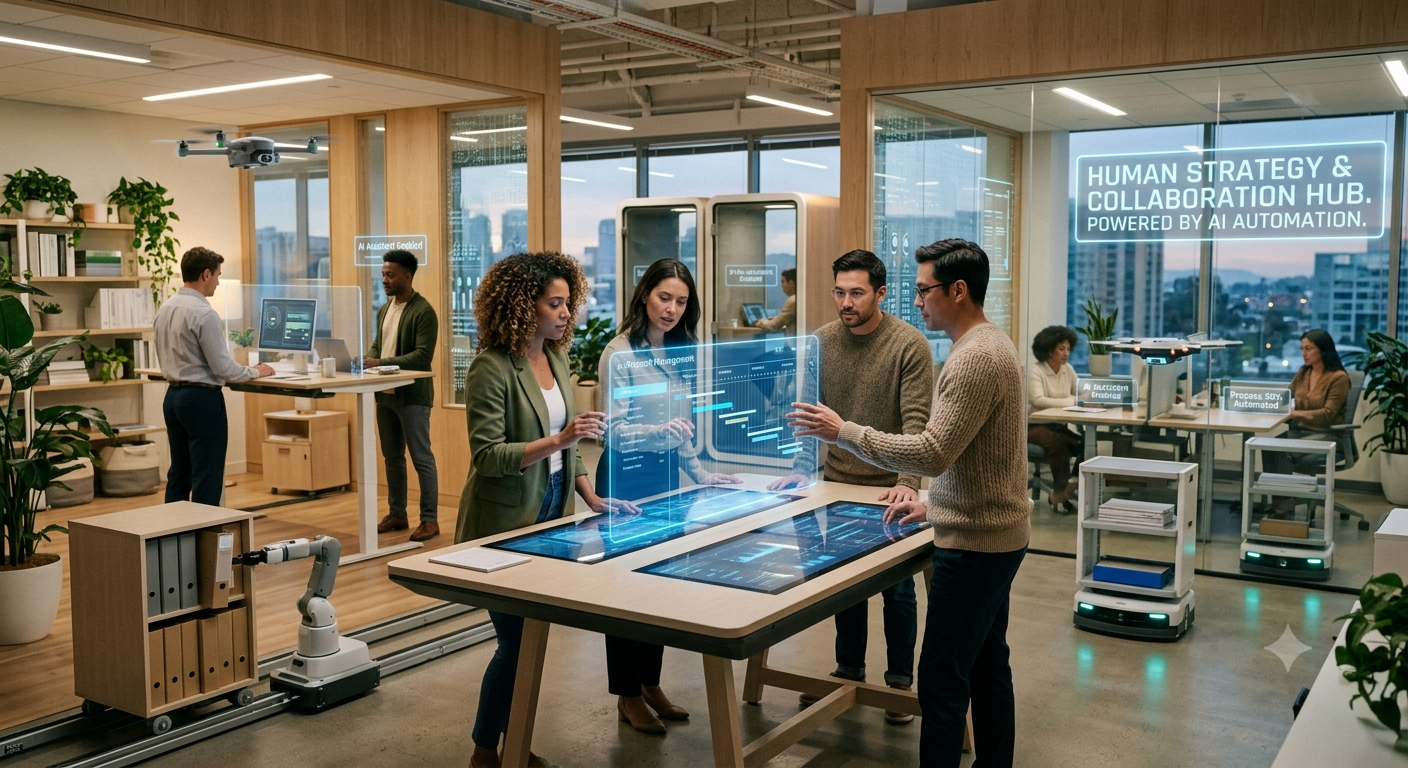
Automation is becoming common in many workplaces.
Machines and software can perform repetitive tasks faster and more accurately than humans.
However, machines cannot easily replace human qualities like creativity, emotional intelligence, or complex problem solving.
By developing these skills, you protect your value in the workplace.
3. Career Stability Becomes Stronger
People often believe that job security depends on staying in one company for a long time.
But today, career stability depends more on skills than on job positions.
When you have strong and adaptable skills, you can find new opportunities even if industries change.
4. More Career Opportunities Open
Future-proof skills make you flexible.
You can work in different industries or roles because your abilities are transferable.
For example, communication, leadership, and problem-solving are useful in almost every profession.
These skills increase your chances of career growth.

How to Future-Proof Your Skills Strategically?
Future-proofing skills does not happen automatically. It requires planning and continuous effort.
Here are some strategic ways to prepare your skills for the future.
1. Develop a Learning Mindset
The first step to future-proof your skills is developing a learning mindset.
A learning mindset means you are always open to gaining new knowledge.
People who continue learning stay updated with industry changes.
Learning does not always require formal education. You can learn through:
- Online courses
- Books and articles
- Professional workshops
- Mentors and colleagues
Continuous learning keeps your skills fresh and relevant.
2. Focus on Transferable Skills
Transferable skills are abilities that are useful in many different jobs and industries.
These skills are valuable because they remain useful even when job roles change.
Some important transferable skills include:
- Communication skills
- Problem-solving ability
- Critical thinking
- Leadership skills
- Time management
- Teamwork
If you develop these skills, you can easily adapt to new roles.
3. Stay Updated With Industry Trends
Industries are constantly evolving.
New technologies, tools, and methods are introduced regularly.
To future-proof your skills, it is important to stay informed about these trends.
You can do this by:
- Reading industry blogs and news
- Following experts on professional platforms
- Joining professional communities
- Attending seminars and webinars
When you understand industry changes early, you can prepare yourself better.
4. Learn Technology and Digital Skills
Technology is becoming a part of almost every profession.
Even non-technical roles require basic digital skills.
Learning digital tools can increase your productivity and efficiency.
Some valuable digital skills include:
- Basic data analysis
- Digital communication tools
- Content creation
- Social media management
- Online collaboration tools
These skills help you remain competitive in modern workplaces.
5. Improve Problem-Solving Ability
Problem-solving is one of the most valuable skills in any profession.
Companies appreciate employees who can handle challenges independently.
Problem-solving requires:
- Analyzing situations carefully
- Understanding possible solutions
- Making logical decisions
When you improve your problem-solving ability, you become a more reliable professional.
6. Build Strong Communication Skills to Future-Proof Skills
Communication is an essential skill for career growth.
Employees must communicate ideas clearly with colleagues, managers, and clients.
Good communication includes:
- Speaking clearly
- Listening carefully
- Writing effectively
- Understanding different perspectives
Strong communication improves teamwork and reduces misunderstandings in the workplace.
7. Develop Adaptability to Future-Proof Skills
Adaptability means adjusting quickly to new situations.
Workplaces often change due to new technologies, management strategies, or market demands.
Employees who resist change may struggle in such environments.
Adaptable professionals can easily adjust to new tools, systems, and responsibilities.
This flexibility makes them valuable in dynamic workplaces.
8. Build a Personal Learning System
Strategic skill development requires planning.
Instead of learning randomly, create a simple learning system.
For example:
- Choose one new skill to learn every few months
- Spend a small amount of time learning daily
- Apply what you learn in real situations
A structured learning system helps you improve continuously.
9. Strengthen Your Professional Network
Networking is another important part of future-proofing your career.
Professional connections expose you to new ideas, opportunities, and industry insights.
You can build your network by:
- Engaging on professional platforms
- Participating in professional discussions
- Attending events and webinars
- Collaborating with others
A strong network helps you stay informed and discover new opportunities.
10. Practice Self-Evaluation to Future-Proof Skills
Future-proofing skills also requires regular self-evaluation.
Ask yourself questions such as:
- Which skills are becoming outdated?
- Which new skills are important in my industry?
- What abilities do I need to improve?
Honest self-evaluation helps you identify skill gaps and improve them.
Conclusion
The future of work is uncertain, but one thing is clear: skills will always matter.
Instead of worrying about changing industries, focus on developing abilities that help you adapt.
Future-proofing your skills means committing to continuous learning, improving transferable skills, and staying aware of industry trends.
When you invest in your personal and professional development, you prepare yourself for opportunities that may not even exist today.
In a rapidly changing world, the best strategy is simple:
Keep learning, keep adapting, and keep growing.

Leave a Reply