
Introduction
In service-driven industries such as BPO, customer support, and client service, performance is not judged only by speed or task completion. Organizations place strong emphasis on the quality of customer interactions because it directly affects satisfaction, retention, and brand reputation. Every call, chat, or email becomes a measurable touchpoint. This is exactly how customer interaction quality is measured in modern service environments where data, audits, and customer feedback drive performance evaluation.
Quality measurement ensures that service is not just fast, but also accurate, empathetic, and solution-focused. Companies use structured frameworks and multiple metrics to evaluate how effectively employees communicate and resolve customer concerns.
Customer Satisfaction Scores as a primary indicator
One of the most common ways to measure interaction quality is through Customer Satisfaction (CSAT) scores. After an interaction, customers are often asked to rate their experience.
These ratings reflect how satisfied the customer felt with the communication, resolution, and overall support experience. High CSAT scores indicate effective interaction quality, while low scores highlight gaps in communication or service delivery.
Customer perception plays a central role in quality evaluation.
Quality audits and call monitoring systems
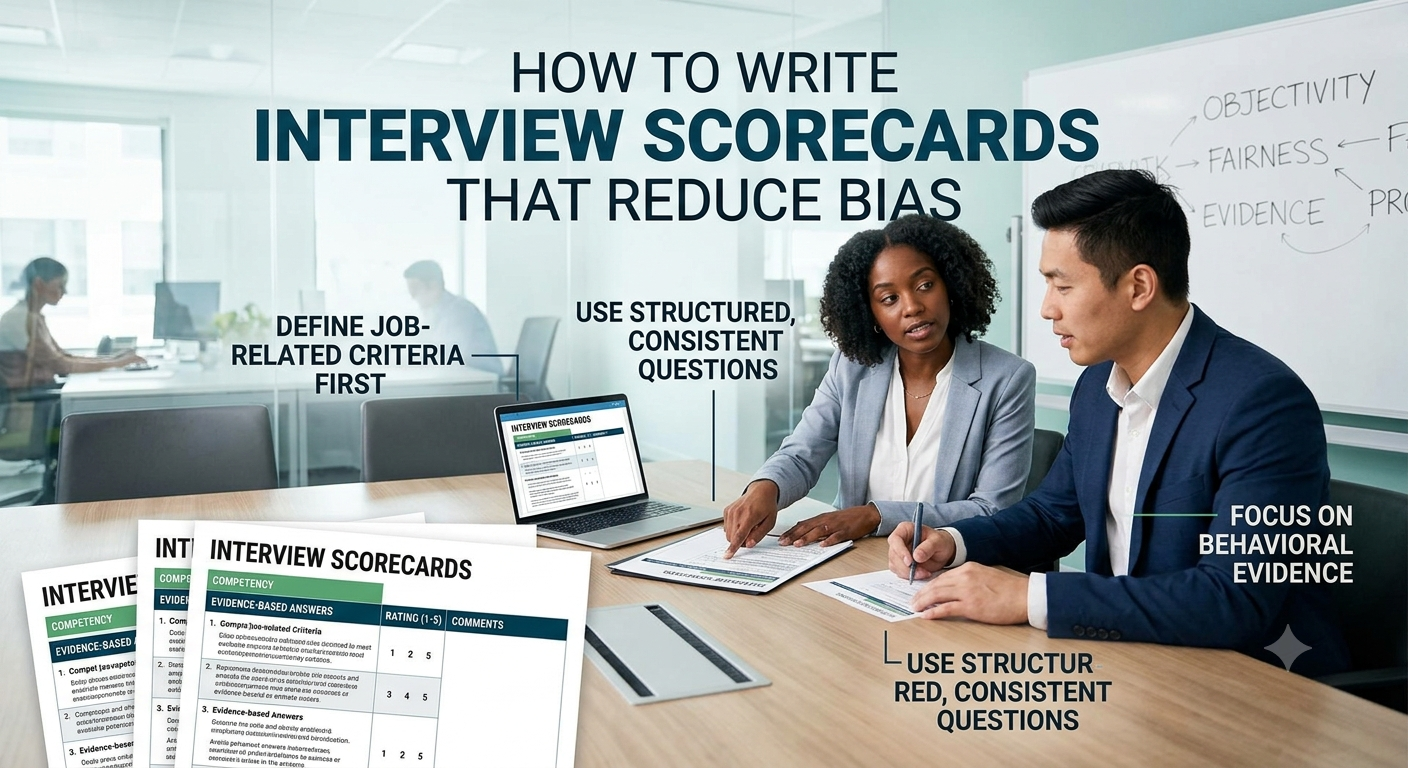
Most organizations conduct regular quality audits of calls, chats, and emails. Quality analysts review recorded interactions using predefined evaluation criteria.
These audits assess tone, accuracy, empathy, listening skills, and adherence to company guidelines. Each parameter is scored to determine the overall interaction quality.
Audit-based scoring provides structured and consistent performance insights.
First Contact Resolution (FCR) measurement
First Contact Resolution is a critical metric used to evaluate how effectively an issue is resolved during the first interaction. If a customer’s problem is solved without follow-ups or escalations, it reflects high interaction quality.
High FCR rates indicate clear communication, accurate understanding, and efficient problem-solving. Low FCR suggests incomplete resolution or ineffective interaction handling.
Resolution efficiency is directly linked to interaction quality.
Communication clarity and professionalism scoring
Organizations closely measure how clearly and professionally employees communicate with customers. This includes language clarity, tone, politeness, and structured responses.
Even when solutions are correct, poor communication can reduce interaction quality scores. Clear and respectful communication enhances customer understanding and satisfaction.
Professional tone is a measurable quality factor.
Empathy and emotional engagement evaluation
Empathy is a key parameter in customer interaction quality measurement. Quality frameworks often include empathy scoring based on how well employees acknowledge customer concerns and emotions.
Interactions that demonstrate patience, reassurance, and understanding receive higher quality ratings. Emotional intelligence significantly improves perceived service quality.
Empathy-driven communication strengthens overall evaluation outcomes.
Adherence to process and compliance standards
Service organizations require employees to follow scripts, policies, and compliance protocols during customer interactions. Quality measurement includes checking whether these standards are followed correctly.
Failure to follow required procedures, even with correct resolutions, can reduce quality scores. Process adherence ensures consistency and risk control in customer communication.
Compliance is a critical quality benchmark.
Resolution accuracy and information correctness
Providing accurate information is essential for high-quality interactions. Incorrect or incomplete solutions can lead to repeat contacts and customer dissatisfaction.
Quality measurement systems evaluate whether the solution provided was correct, relevant, and aligned with company policies. Accuracy directly affects customer trust and performance ratings.
Correct solutions define service reliability.
Average Handling Time (AHT) and balance assessment
Average Handling Time measures how efficiently interactions are managed. However, quality assessment does not focus on speed alone.
Organizations evaluate whether employees maintain a balance between efficiency and interaction quality. Extremely short interactions may indicate rushed communication, while excessively long ones may reflect inefficiency.
Balanced handling time supports effective quality measurement.
Escalation and complaint tracking metrics
Frequent escalations and complaints often signal gaps in interaction quality. Companies track escalation rates to understand how well employees manage complex situations.
Lower escalation rates suggest strong communication, empathy, and problem resolution skills. High escalation frequency may indicate poor interaction handling or lack of clarity.
Escalation trends provide valuable quality insights.
Customer retention and repeat interaction analysis
Interaction quality is also measured through customer retention and repeat contact patterns. If customers repeatedly contact support for the same issue, it indicates low interaction effectiveness.
Strong interaction quality reduces repeat queries and improves long-term customer loyalty. Retention-focused metrics help organizations assess service impact beyond single interactions.
Long-term outcomes reflect true interaction quality.
Performance dashboards and data analytics
Modern service environments use dashboards and analytics tools to monitor interaction quality in real time. These dashboards track CSAT, FCR, audit scores, and behavioral metrics.
Managers use this data to identify performance trends, training needs, and service gaps. Data-driven tracking ensures objective and transparent quality evaluation.
Analytics-driven measurement improves operational decision-making.
Conclusion
Customer interaction quality is measured through a combination of customer feedback, audits, resolution effectiveness, communication behavior, and data analytics. That is precisely how customer interaction quality is measured in structured service environments focused on consistency and customer satisfaction.
High-quality interactions improve customer trust, reduce escalations, and enhance performance ratings. Employees who focus on clarity, empathy, accuracy, and process adherence consistently achieve stronger evaluations and long-term career growth. To explore service roles that prioritize quality performance, customer experience, and career development, use the best job tool to find opportunities aligned with your strengths.
Find Your Dream Job Today – Explore Endless Career Opportunities and Secure Your Next Role with Best Job Tool.





Leave a Reply