Introduction
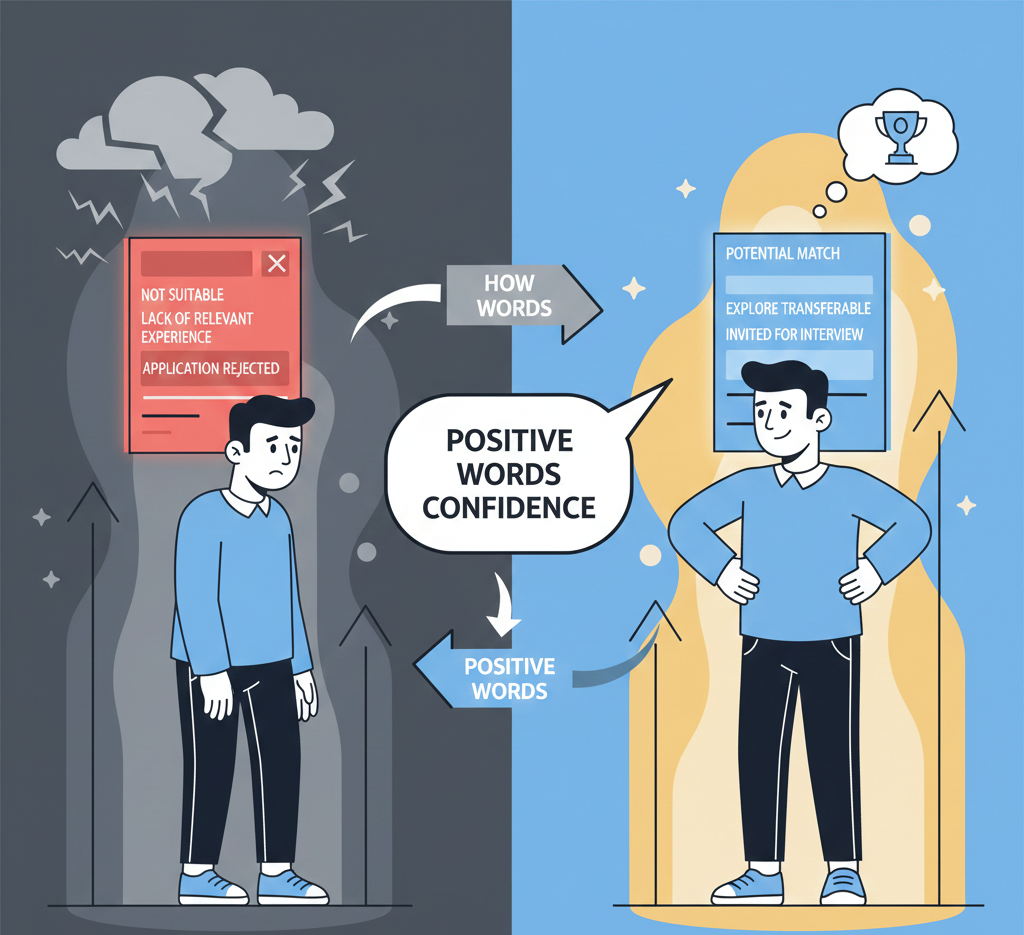
Confidence plays a huge role in how candidates apply for jobs, prepare for interviews, and present themselves. However, confidence is not shaped only by skills or experience. It is strongly influenced by language. The words used in job descriptions, application forms, and hiring communication can either encourage or discourage candidates. That is exactly how wording influences applicant confidence throughout the hiring process.
Small wording choices can decide whether someone applies, hesitates, or drops out completely. Understanding this impact helps employers write better job posts and helps candidates interpret opportunities more clearly.
Why language matters more than we think
Words shape perception. When applicants read a job description, they immediately assess whether they belong. Language creates emotional signals before logic kicks in.
Certain words feel welcoming and achievable. Others feel intimidating or exclusive. Even qualified candidates can lose confidence if wording feels unrealistic or rigid.
Because of this, language becomes a gatekeeper long before resumes are reviewed.
How job descriptions set confidence levels
Job descriptions are often the first touchpoint. Overloaded requirements, aggressive language, or unrealistic expectations can intimidate applicants.
Phrases that suggest perfection or constant pressure make candidates doubt themselves. On the other hand, clear and supportive wording encourages more confident applications.
When descriptions focus on growth and contribution instead of flawlessness, applicants feel safer engaging.
This is one of the clearest examples of how wording influences applicant confidence.
The impact of requirement-heavy language
Long lists of requirements reduce confidence quickly. Many candidates assume they must meet every condition to apply.
Words like “must,” “expert,” or “only” increase self-doubt. Even capable applicants hesitate when language feels absolute.
Balanced wording that separates essentials from nice-to-haves improves confidence and application rates.
Inclusive wording vs exclusionary wording
Inclusive language signals belonging. It tells applicants they are welcome to try.
Exclusionary wording creates fear of rejection or judgment. It discourages people who may grow into the role rather than start perfect.
Inclusive wording increases confidence, especially among early-career professionals and career switchers.
How tone affects self-belief
Tone matters as much as content. A supportive tone builds confidence. A harsh tone creates anxiety.
Friendly, conversational language makes roles feel human. Corporate or rigid tone makes applicants feel small or replaceable.
When tone feels respectful, applicants engage with more confidence and authenticity.
Wording in application instructions
Application instructions also influence confidence. Complex or demanding instructions can overwhelm candidates.
Clear and simple instructions reduce stress. They help applicants focus on presenting themselves rather than worrying about mistakes.
When instructions feel forgiving and clear, confidence improves naturally.
Feedback wording and confidence after rejection
Rejection messages strongly affect applicant confidence. Generic or cold wording damages self-esteem.
Thoughtful wording preserves confidence even after rejection. It encourages candidates to apply again in the future.
This shows that how wording influences applicant confidence does not end with hiring decisions.
How wording affects interview confidence
Interview communication sets expectations. Vague or intimidating messages increase nervousness.
Clear, transparent wording helps applicants prepare confidently. Knowing what to expect reduces anxiety.
Confidence improves when communication feels respectful and human.
The psychological effect of growth-oriented language
Growth-oriented wording focuses on learning, contribution, and development. This language boosts confidence.
Applicants feel evaluated on potential, not just history. This is especially important for career switchers and junior professionals.
Growth language turns fear into motivation.
Why confident applicants perform better
Confident applicants communicate better. They ask questions, explain experiences clearly, and engage authentically.
Wording that supports confidence leads to better interviews and fairer assessments.
Employers benefit too. They see candidates at their best, not at their most anxious.
Common wording mistakes that lower confidence
One common mistake is using extreme expectations. Another is copying rigid templates without empathy.
Some postings unintentionally discourage strong candidates through poor wording choices.
Awareness of these mistakes helps improve hiring outcomes significantly.
How candidates can protect their confidence
Applicants should remember that wording often reflects company style, not personal worth.
Not every intimidating description means you are unqualified. Interpreting language critically helps protect confidence.
Confidence grows when candidates focus on alignment, not perfection.
Conclusion
Confidence is shaped long before interviews begin. It starts with words. That is how wording influences applicant confidence across job descriptions, applications, interviews, and feedback.
Thoughtful language creates safer, more inclusive hiring experiences. It encourages capable candidates to step forward instead of stepping back.
To find opportunities that communicate clearly and value confidence, use the best job tool to explore roles designed for growth and fairness.
Find Your Dream Job Today – Explore Endless Career Opportunities and Secure Your Next Role with Best Job Tool.





Leave a Reply