
Introduction
Hiring the right candidate is one of the most important responsibilities for any organization. Companies invest time, money, and effort to find people who have the right skills, experience, and attitude. However, even with structured interviews and modern recruitment tools, hiring decisions are not always fair or objective. One major reason for this is hiring bias.
Hiring bias happens when recruiters or hiring managers make decisions based on personal preferences, assumptions, or stereotypes instead of job-related skills and qualifications. Sometimes this bias is intentional, but many times it is unconscious, meaning the decision-maker is not even aware of it. These biases can influence who gets shortlisted, interviewed, or selected, and who gets rejected.
Hiring bias not only affects candidates but also harms organizations. It limits diversity, reduces innovation, and can result in poor hiring decisions. In this article, we will explore what hiring bias is, the different types of hiring bias, how it impacts job selection, its effects on candidates and organizations, and ways to reduce bias in hiring.
What Is Hiring Bias?
Hiring bias refers to unfair preferences or judgments made during the recruitment and selection process. These judgments are based on factors that are not related to a candidate’s ability to perform the job. Such factors may include gender, age, appearance, education background, accent, location, or personal beliefs.
Bias can appear at any stage of hiring:
- Resume screening
- Interview process
- Final selection
- Salary decisions
Even when recruiters believe they are being fair, bias can still influence decisions without their awareness. This is why hiring bias is often difficult to identify and eliminate.
Types of Hiring Bias
There are many forms of hiring bias that affect job selection. Understanding these biases is the first step toward reducing them.
1. Unconscious Hiring Bias
Unconscious bias happens automatically, without deliberate intention. These biases are shaped by upbringing, culture, media, and past experiences. For example, a recruiter may feel more comfortable with candidates who are similar to them in background or thinking style.
Even though unconscious bias is not intentional, it still leads to unfair decisions and missed talent.
2. Affinity Bias
Affinity bias occurs when recruiters favor candidates who share similar traits with them. This could include:
- Same hometown
- Same college
- Same language or accent
- Similar hobbies or interests
While this bias feels natural, it can lead to a lack of diversity and prevent equally qualified candidates from getting selected.
3. Gender Bias
Gender bias is one of the most common hiring biases. It happens when candidates are judged differently based on their gender. For example:
- Assuming men are better for technical roles
- Assuming women may not commit fully due to family responsibilities
Such assumptions are unfair and do not reflect individual capabilities. Gender bias limits equal opportunities and slows workplace equality.
4. Age Bias
Age bias affects both younger and older candidates. Younger candidates may be seen as inexperienced, while older candidates may be viewed as resistant to change or technology. These stereotypes can lead to qualified candidates being rejected simply because of their age.
Age should not be a deciding factor unless it is legally or practically relevant to the role.
5. Educational Bias
Educational bias occurs when too much importance is given to a candidate’s college, university, or degree instead of their skills and experience. Candidates from top institutions may be favored, while those from lesser-known colleges may be ignored, even if they have strong practical skills.
This bias overlooks talent that comes from non-traditional educational backgrounds.
6. Halo Effect
The halo effect happens when one positive trait overshadows other factors. For example, if a candidate speaks confidently or has worked at a famous company, the recruiter may assume they are good at everything, without properly evaluating their actual skills.
This can result in hiring someone who looks impressive but may not be suitable for the role.
7. Horn Effect
The horn effect is the opposite of the halo effect. One negative impression, such as poor communication or nervousness, can dominate the recruiter’s view and cause them to ignore the candidate’s strengths.
This bias is especially harmful in interviews where candidates may be anxious.
8. Name Bias
Name bias occurs when recruiters judge candidates based on their names. Names can suggest gender, religion, region, or ethnicity. Some candidates may be rejected without proper review because of assumptions linked to their names.
This bias reduces equal opportunity and diversity.
9. Appearance Bias
Appearance bias happens when candidates are judged based on physical appearance, clothing, body language, or facial expressions. While professionalism is important, appearance should not outweigh skills, experience, and attitude.
This bias is unfair and often unrelated to job performance.
How Hiring Bias Impacts Job Selection?
Hiring bias affects job selection in many serious ways. It influences decisions at every stage of recruitment and leads to unfair outcomes.
1. Qualified Candidates Get Rejected
One of the biggest impacts of hiring bias is that qualified candidates may be rejected. When decisions are influenced by bias, skills and experience take a back seat. As a result, companies may miss out on talented individuals who could perform well in the role.
2. Unqualified Candidates Get Selected with Hiring Bias
Bias can also lead to the selection of candidates who are not the best fit for the job. For example, selecting someone because they share a similar background with the recruiter may result in poor performance later.
This affects productivity and increases employee turnover.
3. Hiring Bias Reduced Workplace Diversity
Hiring bias directly reduces diversity in the workplace. When recruiters repeatedly select similar types of candidates, organizations lack diversity in gender, age, culture, and thinking styles.
A lack of diversity limits creativity, innovation, and problem-solving abilities.
4. Poor Hiring Decisions
Bias-driven decisions are often based on assumptions rather than facts. This leads to poor hiring choices that can cost organizations time and money. Replacing a wrong hire is expensive and affects team morale.
5. Damage to Employer Brand
Candidates who experience unfair hiring practices often share their experiences online or with others. This can damage the employer’s reputation and make it harder to attract quality talent in the future.
6. Legal and Ethical Risks
Hiring bias can lead to discrimination, which may result in legal issues. Many countries have laws against discrimination based on gender, age, religion, or disability. Biased hiring practices can put organizations at risk of lawsuits and penalties.
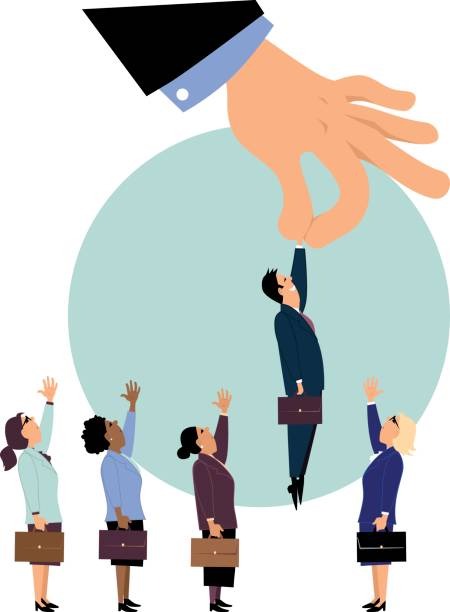
Impact of Hiring Bias on Candidates
Hiring bias does not only affect organizations; it has a deep emotional and professional impact on candidates.
1. Loss of Confidence
Repeated rejection due to bias can reduce a candidate’s confidence. They may start doubting their abilities, even when they are skilled and capable.
2. Limited Career Growth
When candidates are unfairly rejected, their career growth slows down. They may miss opportunities to learn, earn, and grow professionally.
3. Emotional Stress
Job searching is already stressful. Facing bias adds frustration, disappointment, and emotional exhaustion. This can affect mental health and motivation.
4. Reduced Trust in Hiring Systems
Candidates who experience bias may lose trust in recruitment systems and organizations. This creates dissatisfaction and discourages them from applying to certain industries or companies.
Impact of Hiring Bias on Organizations
Organizations also suffer greatly because of biased hiring decisions.
1. Lower Performance
Hiring the wrong candidate due to bias can lower overall team performance. Skills mismatch leads to inefficiency and delays.
2. High Employee Turnover
Employees hired based on bias rather than fit are more likely to leave the organization. High turnover increases recruitment and training costs.
3. Lack of Innovation
Diverse teams bring different perspectives and ideas. Bias reduces diversity, which limits creativity and innovation.
4. Weak Company Culture
A biased hiring process creates an unfair workplace culture. Employees may feel excluded or undervalued, leading to low morale.
How to Reduce Hiring Bias?
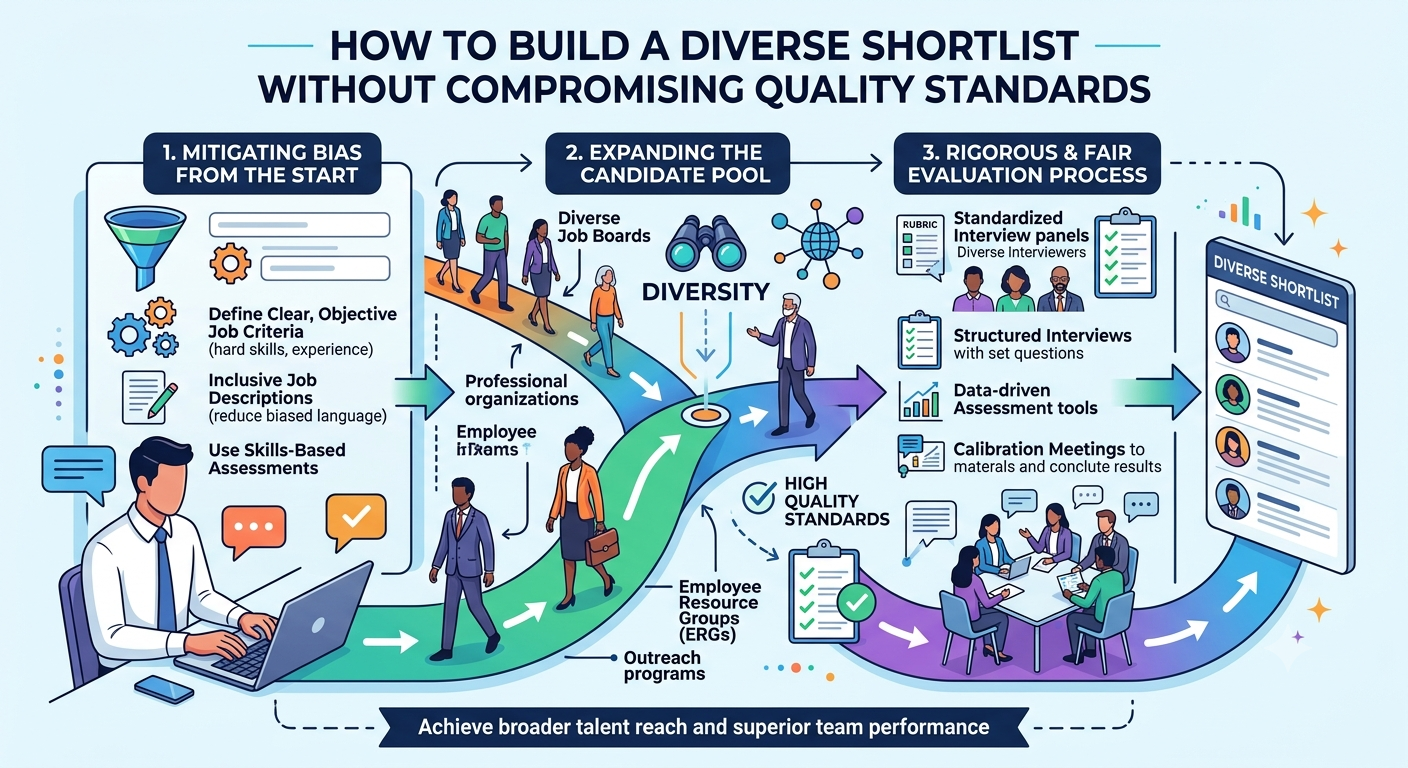
Although hiring bias is common, it can be reduced with conscious effort and structured processes.
1. Awareness and Training
Organizations should train recruiters and hiring managers about different types of bias. Awareness helps people recognize and control their biased thinking.
2. Structured Job Descriptions
Clear and inclusive job descriptions help attract a diverse pool of candidates. Avoid using biased language or unnecessary requirements.
3. Blind Resume Screening
Removing personal details such as name, gender, age, and college from resumes can reduce bias during initial screening.
4. Structured Interviews
Using the same set of questions for all candidates ensures fair comparison. Structured interviews reduce personal judgment and improve objectivity.
5. Skill-Based Assessments
Practical tests and assignments focus on real skills instead of assumptions. This helps select candidates based on performance, not background.
6. Diverse Hiring Panels
Including interviewers from different backgrounds reduces individual bias and leads to balanced decisions.
7. Data-Driven Decisions
Using data and metrics to evaluate hiring outcomes helps identify bias patterns and improve recruitment strategies.
Conclusion
Hiring bias has a strong impact on job selection. It affects who gets opportunities, how organizations grow, and how fair the job market is. Bias leads to unfair rejections, poor hiring decisions, lack of diversity, and emotional stress for candidates.
To build a fair and successful workforce, organizations must actively work to reduce bias. Awareness, structured processes, and skill-based evaluations can make hiring more objective and inclusive. At the same time, candidates should continue to focus on skills and resilience.
A bias-free hiring process benefits everyone. It creates equal opportunities, stronger teams, and better organizational success. Fair hiring is not just a moral responsibility—it is a smart business decision.
You can read more such blogs here.

Leave a Reply