
Introduction
Creating a strong first impression on LinkedIn starts with one critical element. Your headline decides whether someone clicks your profile or scrolls past. That is why learning how to create an optimized LinkedIn headline matters more than ever today.
Recruiters scan profiles fast. They search using keywords, not full resumes. Therefore, your headline must speak clearly, quickly, and confidently. When done right, it increases visibility, credibility, and career opportunities.
This guide explains how to create an optimized LinkedIn headline that works for search, humans, and hiring decisions. Let’s begin.
Why your LinkedIn headline matters more than you think
Your headline appears everywhere on LinkedIn. It shows in search results, connection requests, comments, and messages. As a result, it becomes your personal brand statement.
A weak headline hides your value. A strong one highlights your expertise instantly. Recruiters often decide within seconds if a profile is worth opening.
Moreover, LinkedIn’s algorithm uses headline keywords for ranking. So an optimized headline helps your profile appear more often. Visibility leads to opportunities.
Understanding how recruiters read LinkedIn headlines
Recruiters do not read headlines word by word. Instead, they scan for relevance. They look for role clarity, skills, and impact.
They ask simple questions fast. What do you do? Who do you help? What value do you bring? If your headline answers these clearly, you win attention.
Additionally, recruiters search using job-related keywords. If your headline lacks them, your profile stays invisible. Therefore, optimization is essential, not optional.
How to create an optimized LinkedIn headline with clear positioning
Learning how to create an optimized LinkedIn headline starts with positioning. You must define your professional identity first. Without clarity, optimization fails.
Avoid vague titles like “Professional” or “Learner.” Instead, state your role or target role confidently. Even career changers should position themselves intentionally.
Focus on where you want to go, not only where you have been. LinkedIn supports aspirational positioning when done honestly.
Clarity builds trust. Trust drives profile clicks.
Choosing keywords that improve LinkedIn search visibility
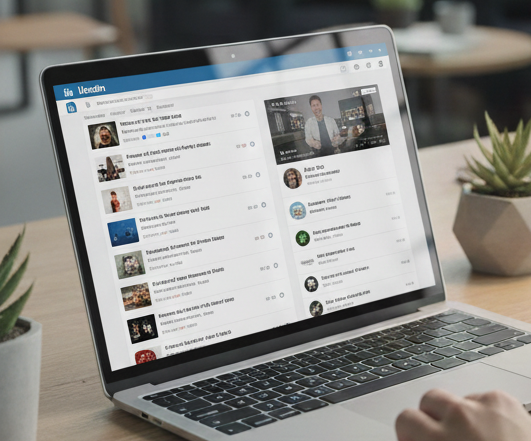
Keywords power LinkedIn search results. Choosing the right ones boosts discoverability. However, keyword stuffing damages readability.
Use job titles recruiters actually search for. Add core skills related to your role. Keep them natural and human.
Before finalizing, review job descriptions in your field. Notice repeated terms. These are your headline keywords.
Strong keyword placement improves reach without sounding robotic. Balance is key.
Structuring a headline that balances value and readability
A great headline flows smoothly. It delivers information without overwhelming the reader. Structure helps achieve this balance.
Use separators like pipes or dashes sparingly. They improve scannability when used correctly. Avoid long, cluttered lines.
Your headline should read like a clear sentence, not a keyword list. Humans still decide who gets hired.
Good structure keeps readers engaged. Better engagement increases profile views.
Common mistakes that weaken LinkedIn headlines
Many professionals hurt their visibility unknowingly. Avoiding these mistakes instantly improves results.
- Using generic phrases without context
- Writing long, confusing sentences
- Adding too many buzzwords without meaning
- Ignoring keywords recruiters search for
- Focusing only on responsibilities, not value
Each mistake reduces clarity. Each correction increases impact.
Headline formulas that work across industries
You do not need creativity overload. Proven formulas simplify headline writing. They work across roles and experience levels.
- Role plus key skill plus outcome
- Target audience plus problem solved
- Expertise area plus measurable value
- Career focus plus industry relevance
Choose one formula. Adapt it honestly. Keep it concise and specific.
These structures guide readers instantly. They also support LinkedIn search logic.
Refining and testing your LinkedIn headline for better results
Optimization does not end after writing. Testing improves performance over time. Small tweaks create big changes.
Track profile views weekly. Notice spikes after headline updates. That data guides improvement.
Also, read your headline aloud. If it sounds natural, it works better. If it feels forced, revise it.
Ask peers for feedback. Fresh eyes catch unclear phrasing quickly.
Continuous refinement keeps your profile competitive.
Conclusion: Turn your headline into a career magnet
Your LinkedIn headline is not just a line of text. It is a strategic career asset. Mastering how to create an optimized LinkedIn headline gives you a clear advantage.
An optimized headline improves visibility, builds credibility, and attracts the right opportunities. It speaks for you before any conversation begins.
Combine clarity, keywords, and value. Keep testing and refining as your career evolves. Use the best job tool to amplify your efforts and discover roles faster.
Find Your Dream Job Today – Explore Endless Career Opportunities and Secure Your Next Role with the Best Job Tool.
If you want, I can also help optimize this content for AI detection safety or adapt it for LinkedIn posts.


Leave a Reply