Introduction
In the fast-paced and competitive job market of the United States, having the right skills, experience, and education can certainly help you get started—but there’s one powerful factor that can make the biggest difference in long-term success: mentorship.
A mentor can act as a guide, teacher, motivator, and connector who helps you navigate your career path, avoid mistakes, and unlock opportunities you might not discover on your own. Whether you are a student entering the workforce, a professional transitioning into a new field, or an immigrant adapting to the American job culture, mentorship can play a life-changing role.
This article explores why mentorship matters, how it shapes U.S. careers, the benefits it offers, how to find the right mentor, and how to build a successful mentor-mentee relationship. We’ll also discuss real-life examples, popular mentorship programs, and tips for making the most of your mentor’s guidance.
Understanding the Role of a Mentor
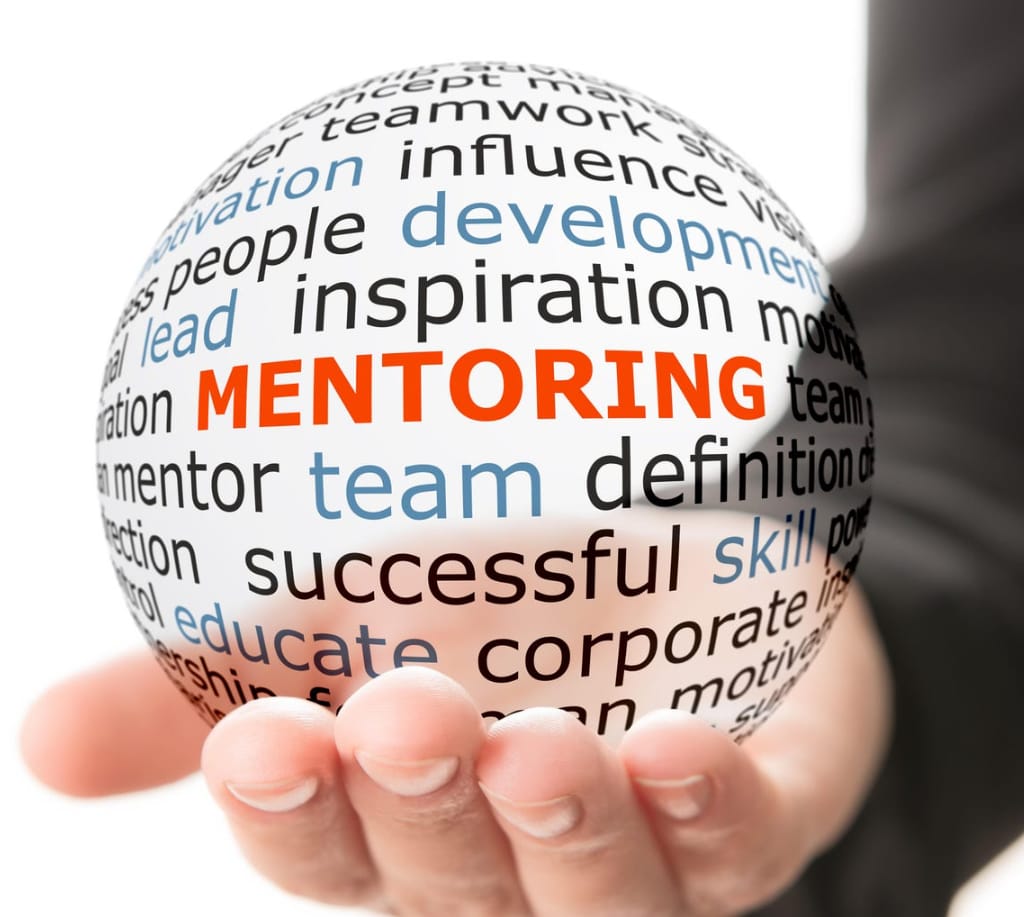
A mentor is someone with more experience who offers guidance, advice, and feedback to help you grow personally and professionally. In the U.S. workplace, mentorship is often seen as a key part of career development.
A mentor doesn’t just help you get a job—they help you build a sustainable and fulfilling career. They share insights about industry trends, help you make informed decisions, and sometimes even advocate for you in their professional network.
Types of Mentors
- Career mentors: Guide you on professional growth and promotion strategies.
- Skill mentors: Help you develop specific abilities (like communication, leadership, or technical expertise).
- Organizational mentors: Offer advice on how to navigate workplace culture.
- Peer mentors: Colleagues who are at a similar level but share insights or resources.
- Life mentors: Provide broader personal and professional guidance, often beyond job matters.
Each type of mentor serves a unique purpose—and often, having multiple mentors across different stages of your career can be even more powerful.
The Importance of Mentorship in the U.S. Job Market
In the U.S., mentorship has become a cornerstone of professional success, especially in industries like technology, business, healthcare, and academia.
a. Bridging the Experience Gap
For recent graduates and newcomers, one of the hardest challenges is lack of experience. A mentor can help bridge this gap by sharing real-world insights and helping you understand what employers truly value beyond your degree or résumé.
b. Expanding Your Professional Network
Networking is often described as the “hidden job market” in the U.S. Many job opportunities are shared privately before they are ever posted online. A mentor can introduce you to people, recommend you for roles, and help you connect with influential professionals in your field.
c. Understanding U.S. Work Culture
For immigrants and international professionals, the U.S. work environment may feel unfamiliar. A mentor can help you adapt to communication styles, workplace etiquette, and expectations—everything from how to speak up in meetings to how performance is evaluated.
d. Enhancing Confidence and Motivation
Career growth is not just about technical skills—it’s about believing in your potential. Mentors often serve as motivators, helping you overcome self-doubt and giving you the courage to pursue big goals.
The Benefits of Mentorship
The relationship between a mentor and mentee is mutually beneficial. Here are the key advantages for the mentee:
a. Career Guidance
A mentor helps you set realistic career goals, identify skill gaps, and create a roadmap to reach your objectives.
b. Skill Development
Mentors can help you sharpen essential soft skills such as communication, leadership, and problem-solving. They might also suggest technical certifications or training programs relevant to your industry.
c. Networking Opportunities
Through introductions and recommendations, mentors can connect you to decision-makers and help you discover job opportunities that align with your interests.
d. Constructive Feedback
Unlike formal performance reviews, mentorship provides a safe space to receive honest feedback without fear of judgment. This feedback is critical for self-improvement and growth.
e. Emotional Support
Career challenges can be stressful—whether you’re facing rejection, workplace conflict, or career uncertainty. Having a mentor to listen and guide you can ease stress and help you make better decisions.
f. Increased Job Satisfaction
Studies show that employees who have mentors report higher levels of job satisfaction, engagement, and commitment to their organizations.
Mentorship for Immigrants and International Professionals
If you’re an international student or immigrant working in the U.S., mentorship can be especially transformative. Many newcomers face challenges such as cultural barriers, networking limitations, or unfamiliar job search strategies.
A mentor can help you:
- Understand American resume formats and interview expectations
- Learn workplace communication norms
- Identify companies that sponsor visas
- Gain access to local professional associations
- Improve your professional confidence
Many universities, community organizations, and online platforms (like LinkedIn or Meetup) offer mentorship programs tailored specifically for international professionals.
How to Find the Right Mentor?
Finding a mentor isn’t about choosing someone famous—it’s about finding someone who genuinely wants to help you grow.
Here’s how you can find the right mentor in the U.S.:
a. Use Professional Platforms
- LinkedIn: Join industry-specific groups, follow thought leaders, and message professionals who inspire you.
- Ten Thousand Coffees: A platform designed for career networking and mentorship.
- ADPList (Amazing Design People List): Offers free mentorship sessions across different industries.
b. Attend Networking Events
Conferences, webinars, and local meetups are great places to meet professionals who may be open to mentorship.
c. Check University or Workplace Programs
Many American universities, alumni networks, and companies have formal mentorship programs that match mentors and mentees based on interests or career goals.
d. Join Professional Associations
Organizations like the American Marketing Association, Society of Women Engineers, or National Association of Black Accountants offer structured mentorship programs.
e. Ask for Informational Interviews
Reach out to professionals in your desired field for short conversations about their career paths. If the connection feels natural, you can ask if they’d be open to mentoring you.
How to Build a Strong Mentor-Mentee Relationship?
Once you find a mentor, maintaining the relationship is crucial. Here are steps to make it successful:
a. Set Clear Goals
Before the first meeting, think about what you want to achieve. Do you want help with job search strategies, leadership skills, or long-term career planning? Setting clear goals helps both sides stay focused.
b. Be Respectful of Their Time
Mentors are often busy professionals. Always be punctual for meetings and avoid overwhelming them with frequent requests.
c. Stay Open to Feedback
Mentorship only works when you’re willing to listen, reflect, and apply what you learn—even when the feedback is challenging.
d. Take Initiative
Don’t wait for your mentor to reach out. Follow up, share updates on your progress, and express gratitude for their help.
e. Maintain Professionalism
Treat your mentorship like a professional relationship. Communicate clearly, respect boundaries, and maintain confidentiality.
Common Challenges in Mentorship and How to Overcome Them
a. Lack of Time
Both mentors and mentees have busy schedules. Solution: Schedule regular but brief check-ins, like a 30-minute monthly call.
b. Misaligned Expectations
Sometimes, goals or communication styles differ. Solution: Discuss expectations early on—how often to meet, what topics to cover, and what each side hopes to achieve.
c. Dependence on the Mentor
It’s easy to rely too heavily on your mentor’s opinions. Solution: Use their advice as guidance, but always make independent decisions.
d. Relationship Ending Naturally
Not all mentorships last forever. Once you’ve achieved your goals, express gratitude and stay connected as professional peers.
Mentorship in the Digital Age
The concept of mentorship has evolved significantly in the last decade. Today, virtual mentorship has become increasingly popular, especially post-pandemic.
a. Online Mentorship Platforms
Websites like ADPList, MentorCruise, GrowthMentor, and LinkedIn Learning make it easy to connect with mentors remotely.
b. Virtual Coffee Chats
Even a 30-minute virtual chat can lead to meaningful mentorship. Many professionals are open to sharing advice through short video calls.
c. Social Media Mentorship
Professionals use platforms like Twitter (now X), YouTube, and podcasts to share valuable mentorship-style guidance publicly. You can learn from them even if you don’t have a personal connection.
Conclusion
Mentorship is not just about learning—it’s about transformation. In the competitive U.S. job market, where opportunities often favor those with connections and insider knowledge, having a mentor can be the bridge between potential and success.
Whether you’re starting your career, changing fields, or building your network as an international professional, the right mentor can help you gain confidence, direction, and opportunity.
By seeking guidance, staying open to feedback, and nurturing authentic professional relationships, you can accelerate your journey toward a successful and fulfilling U.S. career.
In the end, mentorship is more than just advice—it’s an investment in your future. And one day, when you’ve grown enough, you can pass it forward by becoming a mentor yourself—continuing the cycle of growth, learning, and empowerment.
Read more informational blogs here.





Leave a Reply