
Why Changing Careers are Becoming Common Today?
In today’s time career change has become very normal for everyone because technology is evolving rapidly. AI automation has been replacing earlier jobs rapidly with new tools. Earlier, people used to work their entire lifetime in the same field, but nowadays they are changing careers according to their interests, lifestyle, and growth.
Now learning has become so easy with different platforms, an increased demand for work-life balance, and the culture of startups has increased; that’s why people get the confidence to think of changing their careers. At the same time, economic uncertainty and layoffs have forced people to diversify their skills so that they can create new opportunities for themselves in any situation.
The Challenges Career Changers Face
Self-doubt and fear of failure
At the time of changing careers, people get confused about the decision to change careers because changing careers is risky, as they don’t know the duration of being settled, and if it will work for them.
Lack of industry experience
Changing a career is difficult because they don’t have any prior experience in that field which makes it difficult for the person to stand out and get the job easily.
Financial insecurity
Shifting careers can lead to a decrease in income because one has to start from the beginning, which is why sometimes they have to work on either a low salary or an internship without any salary.
Skill gap
Every industry has its own tools and skills; if a person is changing their career, they have to learn the skills and tools of the new industry, which takes time and effort.
Starting from scratch
In your previous field, you may have built a strong reputation or senior position. But in the new career, you often have to start at an entry-level role again.
Age or peer pressure
Some people worry they’re “too old” to make a change or fear judgment from family, friends, or society for starting over.
Limited network
Not knowing the right people in your new field can slow down your progress. Networking is essential for job leads, mentorship, and opportunities.
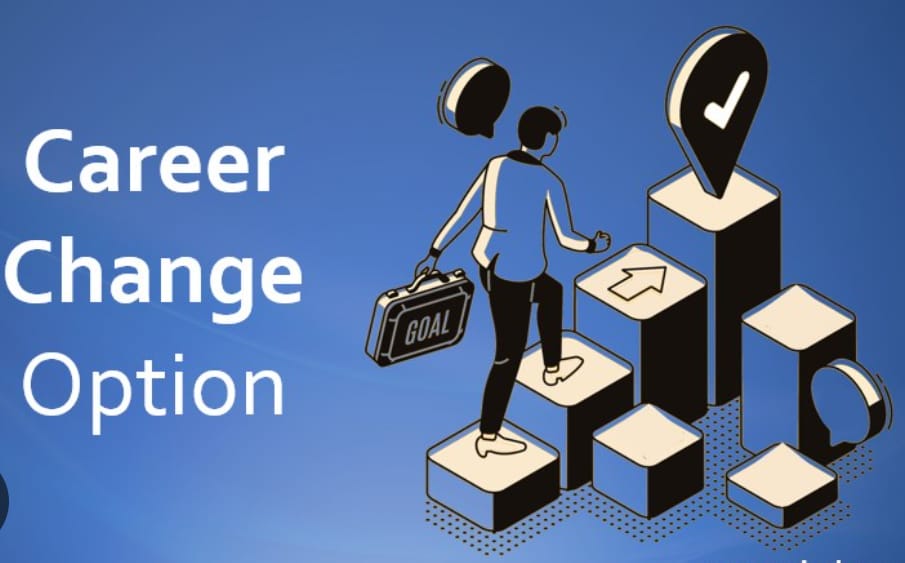
Changing Careers : Step-by-Step
1. Self-Assessment Before Making a Change
Identifying reasons for career change
Some common reasons to changing career are;
- Boredom – When People get bored with their current work then they want to change career. They don’t feel any excitement in their work.
- Burnout – Getting mentally and physically tired because of work pressure and stress.
- Better Pay – Expecting more financial growth.
- Passion – Want to do in the field, which is your passion.
- Work-life Balance – Want a job in which you can get time for your personal life as well.
- Career Growth – NO scope in current job.
This is important because when you know the reason of career change then planning for it would become so easy.
Evaluating your skills, strengths, and weaknesses
Evaluating your skills, strengths, and weaknesses means honestly assessing yourself to understand what abilities you already have and which areas need improvement.
Start by making a skills list — including technical skills (like software knowledge or tool usage), soft skills (such as communication, teamwork, problem-solving), and industry-specific skills. Then, identify which of these will be useful in your new career.
Recognizing your strengths – is important because they boost your confidence and can be highlighted in your resume or interviews. Examples include leadership, creativity, adaptability, or quick learning.
At the same time, pay attention to your weaknesses — such as lacking knowledge of a specific tool or feeling nervous about public speaking. Work on improving these areas so you’re better prepared for the career change.
This step gives you a clear roadmap of what to maintain and what to improve, ensuring a smoother and more successful transition.
2. Exploring Career Change Options
Exploring career options means exploring your new career possibility. In this step you have to match interest, market demand, and skills to shortlist a career for you.
Researching industries and roles for career change
Researching industries and roles means studying different industries in detail, for example, IT, healthcare, education, marketing, creative fields, etc. What types of roles are there in the industry? The required skills, What is the exact type of work we have to understand? All of these need to be studied in detail. Online research, job portals, LinkedIn profiles, and industry reports can give you information.
Understanding growth prospects and salary trends
A career change is not based only on interest; you also need to understand its future scope and earning potential. You should check how much growth is expected in the field you’re moving into over the next 5–10 years. Additionally, compare the average salary range and increment trends in that field to ensure you remain financially satisfied.
3. Networking and Mentorship
Networking and mentorship means connecting with people in your desired industry and learning from them so that you can build strong connections and gain guidance for your career change.
Connecting with people in your desired industry
Making relationships with professionals who are already working in your targeted field. You can approach them through LinkedIn, industry events, webinars, workshops, or alumni networks. Introduce yourself, show your genuine interest, and learn from them about the industry. These connections can help you get referrals, mentorship, and real-world insights.
Using LinkedIn and professional groups effectively
LinkedIn is your most powerful networking tool. Keep your profile updated, use relevant keywords, and connect with professionals in your related field. Share industry-related posts and start commenting on valuable posts to show your activity. Join professional groups (LinkedIn groups, WhatsApp/Telegram industry communities, Facebook groups, etc.) and take part in discussions. With the help of these, you will be updated with the latest news and updates.
4. Updating Your Professional Materials to Change Careers
Updating your professional materials means revising all your job-related documents and profiles according to your new career so that employers see you as the perfect fit for the role.
Tailoring your resume for the new career
It means to customize your resume so that it looks for your targeted field only. Highlight your transferable skills ( your previous skills that will also work in your new career). To pass your resume in ATS ( applicant tracking system) use the job description keyword. Show your achievements and projects to add value to your new role.
Crafting a strong LinkedIn profile for career change
It is very important to keep your LinkedIn profile professional and up to date. Write your headline in a way that clearly shows which field you are interested in. In the About section, give a short and positive explanation of your career change. Update the Skills section and add skills relevant to your new career. Keep your profile photo professional and use an industry-related image for the banner. Regularly share posts, write articles, and participate in industry discussions to increase your visibility.
5. Building a Transition Plan
Building a transition plan means planning your career change in a structured way so that you take a step-by-step guide to reach your Goal. Here, you have to set your goal and think of a realistic timeline to complete all your preparation steps.
Setting short-term and long-term goals
Short-term goals are those that you can achieve in 1 to 6 months. Like learning new skills, completing a certificate, or making a portfolio. Long-term goals are those that you can achieve in 1 to 3 years. Like getting a job in your target role, having a promotion, or achieving any specific income level. Setting a goal in a SMART (specific, measurable, achievable, relevant, time-bound) format is best so that you can track your progress.
Creating a realistic timeline for the career change
Building a transition plan means planning your career change in a structured way so that you take a step-by-step guide to reach your Goal. Here, you have to set your goal and think of a realistic timeline to complete all your preparation steps.
A strong transition plan keeps you focused, reduces overthinking, and gives you control over your career change journey.
6. Skill Gap Analysis
Skill gap analysis means which skills you already have and what other skills you need for a new role. With the help of this process, you get to know exactly where you have to work on yourself.
Identifying skills you need for the new role
First, you have to read the job description of your targeted role and then list all the skills you need for the target role. Then compare those skills with your current skills that you already have. If the skills match, then it is your strength, but if some skills do not match, then that is your skill gap. For example, if you are shifting from marketing to data analytics, it might happen that you do not have knowledge about Python, SQL, or data visualization tools, so you have to learn all these things.
Ways to upskill for career change
Once you know which skills you need to improve, there are multiple options available to acquire them:
Online Courses – Websites like Coursera, Udemy, and LinkedIn Learning allow you to learn skills at your own pace.
Certifications – Professional certifications (Google, Microsoft, HubSpot, etc.) strengthen your resume and increase your credibility with employers.
Workshops – Short-term practical sessions where you gain hands-on experience, which is very useful for real-life work.
With the help of skill gap analysis, you can create your learning roadmap, so that you get ready for your new career without wasting time and effort.
Conclusion
This article covered practical ways to change your career in the U.S. without starting over. It explained how to identify your transferable skills, research new industries, upskill smartly through short courses, and use networking to build valuable connections. You also learned how to tailor your resume, try freelancing or internal transfers, and prepare financially for the transition.
By following these strategies, you can shift into a new career path confidently and efficiently. This article will help you make a smooth career transition, use your existing strengths wisely, and move toward a job that aligns with your passion and long-term goals — without losing the progress you’ve already made.
You can read more informational blogs here.




Leave a Reply