Introduction
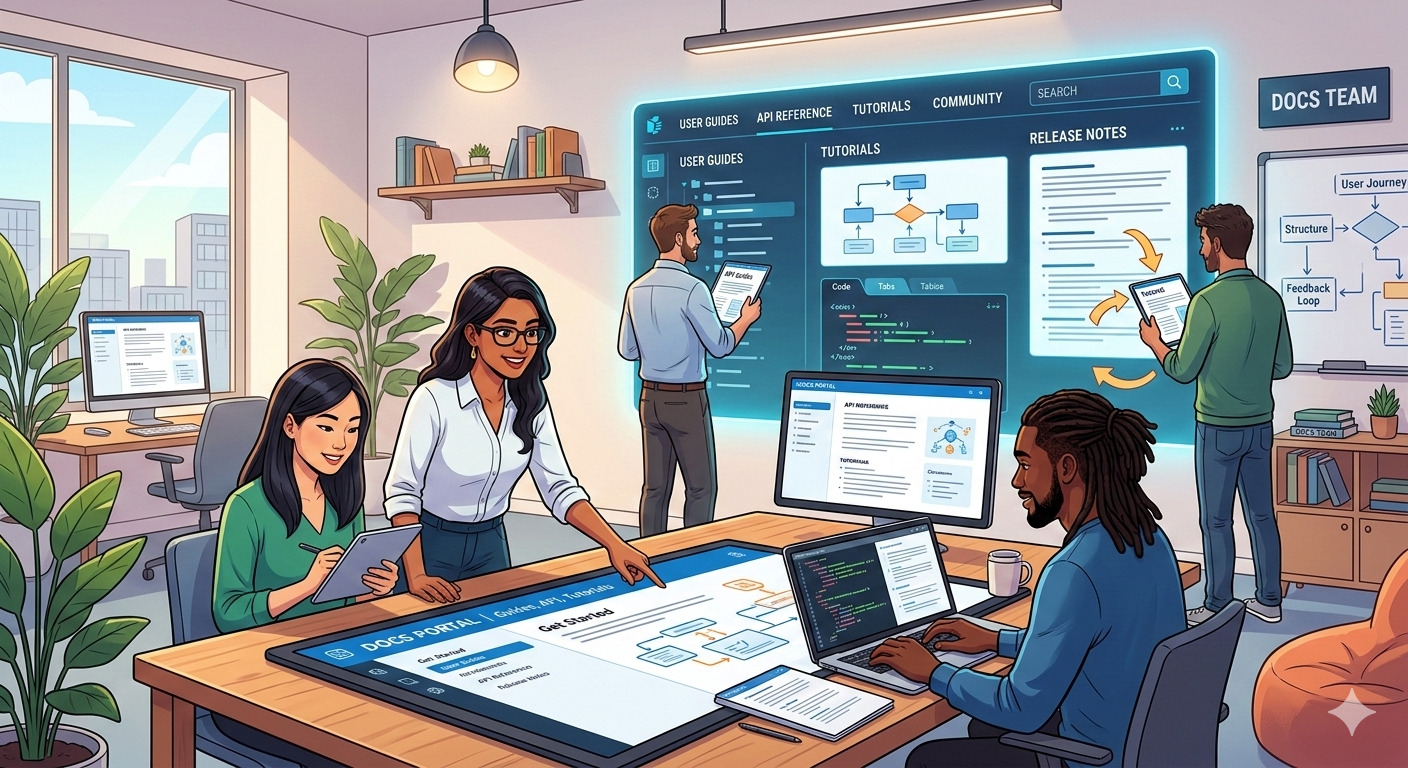
Many IT professionals focus heavily on coding skills, certifications, and system expertise. However, hiring managers often evaluate another critical skill that receives less attention: documentation experience. Clear and structured documentation supports collaboration, reduces errors, and improves operational efficiency. Therefore, employers increasingly prioritize candidates who can explain technical processes effectively. This shift explains exactly why documentation experience matters in IT hiring across development, support, DevOps, and infrastructure roles.
Technical environments move quickly. Consequently, teams rely on accurate documentation to maintain stability and continuity. Professionals who can document processes clearly add long-term value beyond their immediate technical tasks.
Documentation reflects structured thinking
First, documentation reveals how a professional thinks. When candidates describe systems, workflows, or troubleshooting steps clearly, they demonstrate logical organization and clarity.
Hiring managers often ask candidates to explain previous projects in detail. Those who present structured explanations typically perform better because they show process awareness. As a result, documentation ability signals disciplined and analytical thinking.
Clear writing reflects clear technical reasoning.
Knowledge transfer depends on documentation
IT teams frequently experience transitions such as new hires, internal transfers, or project handovers. Without proper documentation, knowledge gaps can slow productivity.
Professionals who maintain detailed runbooks, deployment guides, and troubleshooting steps reduce dependency on individuals. Moreover, they make onboarding faster and smoother.
Strong documentation supports team scalability.
Incident resolution improves with written records
During system failures or production incidents, teams often refer to past documentation. Clear incident logs, root cause analyses, and recovery steps reduce downtime significantly.
Hiring managers value candidates who document incidents thoroughly. This habit shows accountability and commitment to continuous improvement.
Well-documented history prevents repeated mistakes.
Documentation strengthens cross-team collaboration
Modern IT environments require collaboration between developers, operations, security, and product teams. Clear documentation bridges communication gaps between technical and non-technical stakeholders.
When professionals write detailed change logs or technical briefs, they align teams more effectively. Consequently, projects move forward with fewer misunderstandings.
Effective documentation enhances operational coordination.
Compliance and audit readiness require records
Many organizations operate under strict regulatory and compliance standards. Proper documentation supports audit processes and legal requirements.
Candidates who understand the importance of maintaining system logs, access records, and change documentation demonstrate maturity. Furthermore, they reduce compliance risk for the organization.
Regulatory readiness increases hiring appeal.
Hiring interviews test explanation clarity
During interviews, recruiters often evaluate how candidates explain technical solutions. This informal test reveals documentation capability indirectly.
Candidates who describe architecture decisions, troubleshooting steps, and deployment processes clearly demonstrate communication strength. Therefore, documentation experience influences hiring outcomes even before formal job performance begins.
Explanation clarity builds interviewer confidence.
Documentation improves system reliability
When IT professionals document configurations, dependencies, and procedures, they create a stable knowledge base. This reduces confusion during updates, migrations, or scaling operations.
Teams rely on documentation to maintain consistent environments. Professionals who prioritize clear records contribute directly to system reliability and operational success.
Reliable documentation reduces operational risk.
Career growth favors communicative professionals
Leadership roles require more than technical execution. Technical leads, architects, and managers must explain strategies, roadmaps, and system designs clearly.
Professionals with strong documentation experience transition more easily into such roles. Their ability to communicate complex concepts strengthens leadership potential.
Communication skills accelerate career progression.
Remote and distributed teams depend on written clarity
As organizations adopt remote and hybrid work models, documentation becomes even more critical. Teams operating across time zones rely on written instructions and updates.
Professionals who maintain organized documentation ensure seamless workflow regardless of location. This adaptability enhances professional value in global IT environments.
Written clarity supports distributed collaboration.
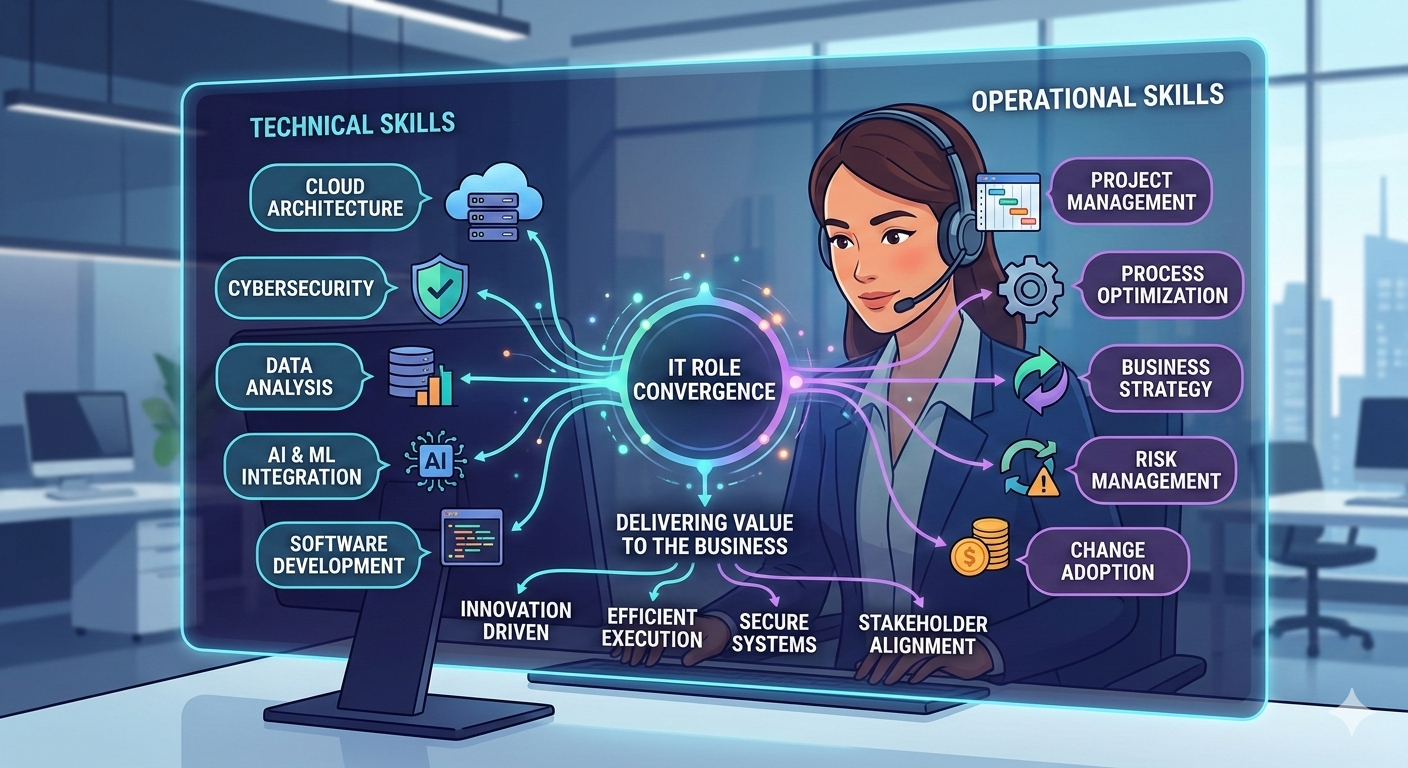
Balanced importance of technical and documentation skills
Technical expertise remains fundamental in IT roles. However, technical knowledge without documentation often limits scalability and team efficiency.
The most successful professionals combine deep technical understanding with clear documentation practices. This balance strengthens both individual performance and team outcomes.
Hybrid skill sets increase employability.
Conclusion
Technical knowledge builds systems, but documentation sustains them. That is precisely why documentation experience matters in IT hiring across modern technology-driven organizations.
Employers value professionals who organize knowledge, communicate clearly, and maintain accurate records. Documentation enhances collaboration, reduces risk, and supports long-term operational success. By developing strong documentation skills alongside technical expertise, IT professionals significantly improve their hiring prospects and career growth opportunities. To explore IT roles that value structured communication and operational excellence, use the best job tool to discover opportunities aligned with your professional strengths.
Find Your Dream Job Today – Explore Endless Career Opportunities and Secure Your Next Role with Best Job Tool.
Leave a Reply