Introduction
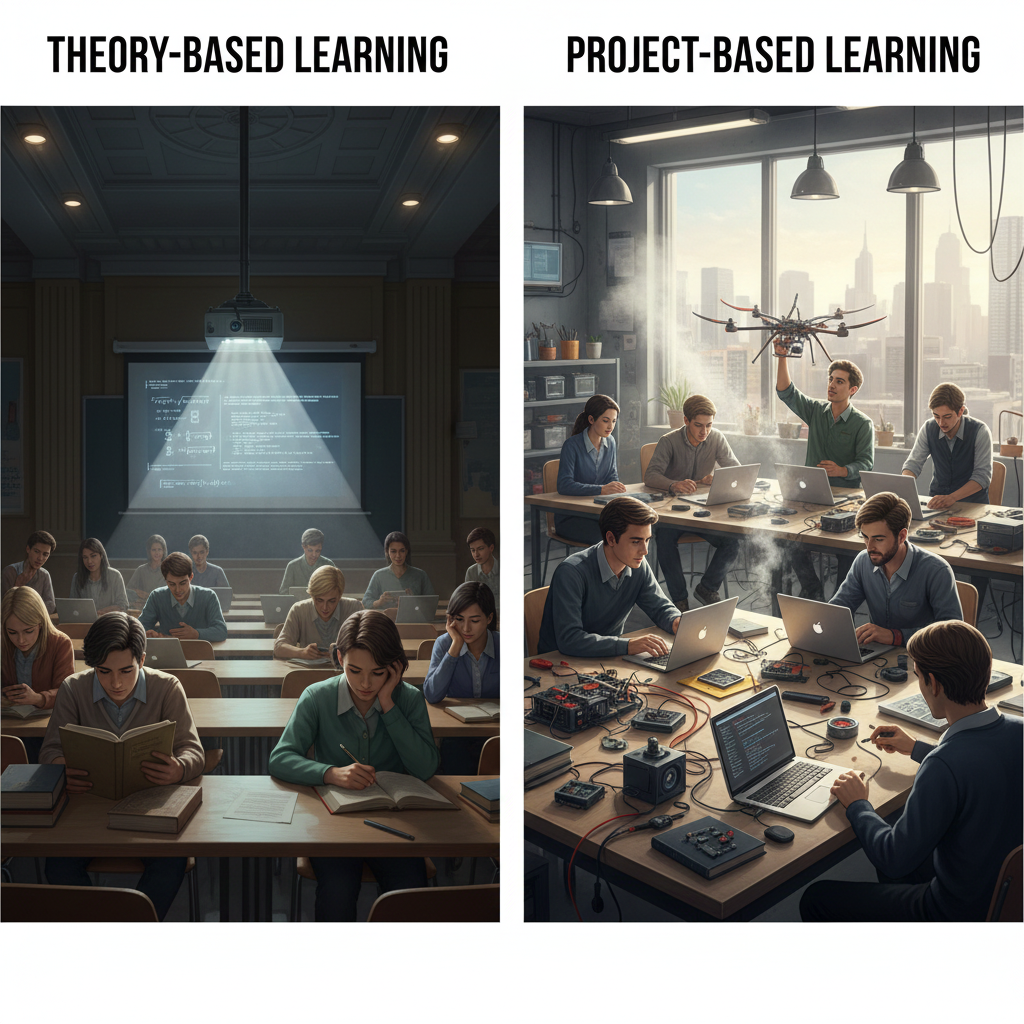
Education often emphasizes theory over practice. While theory provides foundational knowledge, it cannot fully prepare learners for real-world challenges. Project-based learning, on the other hand, combines learning with hands-on experience. It allows learners to apply knowledge actively, solve real problems, and retain skills longer. In this article, we explore why project-based learning outperforms traditional theory in modern education and career preparation. theory
The Limitations of Theory
Theory focuses on concepts, rules, and abstract thinking. While valuable, it often fails to develop practical skills. Many students can recite definitions but struggle when asked to apply knowledge. Without application, learning remains passive, and engagement diminishes. Theory alone cannot simulate real work challenges, leaving a gap between education and professional demands.
How Project-Based Learning Encourages Active Engagement
Project-based learning involves active problem-solving and experimentation. Learners are directly involved in creating solutions and building projects. This method enhances focus, motivation, and accountability. Unlike passive theory-based learning, projects demand creativity, critical thinking, and collaboration. Students absorb lessons more effectively because they see direct results of their efforts.
Real-World Skill Development
Project-based learning equips learners with skills employers seek. These include communication, teamwork, problem-solving, and time management. Theory often teaches “what” and “why,” but projects teach “how.” For instance, coding students who complete software projects understand debugging better than those who study theory alone.
Projects inspire learners to think creatively. They encourage exploring multiple solutions and testing new ideas. Theory, in contrast, often follows fixed patterns or established formulas. Project-based learning allows experimentation and iterative improvement, fostering innovation. Creative problem-solving becomes a habit rather than a concept learned only from theory.
Boosting Creativity and Innovation
Enhancing Retention and Understanding
Hands-on projects improve memory retention. Learners connect concepts with practical applications, making understanding deeper. Studies show project-based learning increases long-term recall compared to traditional theory. For example, building a marketing campaign or designing a product teaches concepts more effectively than reading about them.
Encouraging Collaboration and Teamwork
Many projects require group effort. Learners develop soft skills like collaboration, negotiation, and leadership. Effective teamwork is often missing in theory-focused education. Example questions you might explore in project discussions:
- How can we divide tasks to optimize team output?
- Which strategies help resolve conflicts efficiently?
- How do we incorporate feedback to improve results?
These experiences prepare learners for modern workplaces, unlike isolated theory exercises.
Building Confidence Through Practical Application
Completing projects boosts confidence. Learners see tangible results from their efforts. Theory often leaves learners uncertain about applying knowledge. Projects provide proof of competence, helping students present skills confidently to employers. Practical experience bridges the gap between knowing and doing.
Combining Theory with Projects for Maximum Impact
The best learning happens when theory supports projects. Theory provides the framework, while projects allow application. This combination ensures deep understanding and skill mastery. Students learn faster, retain knowledge longer, and gain confidence. For example, understanding marketing principles theoretically, then applying them in a campaign project maximizes both comprehension and practical skill.
Conclusion
Project-based learning surpasses theory in preparing learners for real-world challenges. It enhances engagement, creativity, collaboration, and confidence. While theory lays the foundation, projects turn knowledge into actionable skills. For career-focused learners, combining theory with hands-on projects is essential. Use the best job tool to find roles that value practical experience and showcase your project-based skills. Mastering this approach ensures success in education and professional growth.
Find Your Dream Job Today: Explore Endless Career Opportunities and Secure Your Next Role with Best Job Tool



Leave a Reply