
Introduction
Staying productive is very important during the days when you are unemployed. During this time, demotivation is very common, and because of it, you don’t feel like doing anything, and negative thoughts keep coming. That’s why staying productive becomes even more important. You can read this article if you want to know how to stay productive during periods of unemployment.
Tips to Stay Productive During Periods of Unemployment
1. Maintain a Daily Routine to Stay Productive
Having no routine, can become a disadvantage. If you search jobs at irregular times or till late at night, then there will be a negative impact on both your health and your motivation.
- Make a fixed routine, like fixing a particular time for sending applications, learning, and self-care.
- Set a start and end time like an office.
- Follow them strictly, do not show any laziness in your routine.
Benefits: The mind gets clarity of when you are going to work and when you are relaxing through routine. This discipline motivates you highly in the long term and stay productive. It also helps to maintain a healthy work-life balance and helps to avoid overworking and burnout.
2. Upgrade Your Skills
In today’s time, technology boost the speed of learning. AI tools, ChatGPT, Grammerly, and Canva like tools help to improve content, generate creative ideas, and help in understanding concept easily. Upskilling has very easy with technology.
AI tools, learning apps, and skill-building platforms
In today’s time, technology can boost your learning speed.
- AI tools
With the help of ChatGPT, Grammarly, and the Canva tool, we can improve writing, generate creative ideas, and understand concepts easily. - Learning app
Duolingo (language learning), Khan Academy (academic concepts), and Blinkist (book summaries) provide short, easy, and interactive learning. - Skill-building platform
On Coursera, Udemy, LinkedIn Learning, and Skillshare platforms, we can learn directly from experts, at our own pace, anytime and anywhere.
By using tech tools, you can make your learning process personalized and faster, which will help you prepare for your dream job more quickly.
3. Build or Improve Your Portfolio
A strong portfolio is one of the most important assets you can create during unemployment. While a resume tells what you can do, a portfolio shows what you have already done. It proves your skills without needing a job title, which makes you stand out from other candidates.
Showcase Your Best Work
Collect samples that highlight your strongest skills. These can include:
- Articles, blog posts, or copywriting samples
- Design work, graphics, or UI/UX projects
- Coding projects uploaded on GitHub
- Case studies or research
- Social media content or campaign ideas
Even if you don’t have client work, you can create sample projects to demonstrate your ability.
Create New Projects to Fill the Gap
If you feel your portfolio is empty or outdated, use this time to build fresh work. For example:
- Write new blog posts
- Redesign a brand’s social media page as a concept
- Make a mock landing page
- Write product descriptions for imaginary products
- Complete mini freelance-style projects
These self-created samples are equally effective in showing your skills.
Make It Organized and Easy to Navigate
Your portfolio should be clean, simple, and professional. Include:
- Clear categories based on your skills
- Short descriptions of each project
- The problem, your approach, and final outcome
- Links to live work (Medium, WordPress, GitHub, Behance, etc.)
A well-structured portfolio creates a strong first impression.
4. Update Your Resume & LinkedIn
Optimizing Your Headline
Edit your LinkedIn headline according to your profession. Because if your headline is not good, then there is no use in having a LinkedIn profile. You won’t be able to connect with the right people, and you won’t be able to find good job opportunities either. Your headline doesn’t have to be just your job title. Use it to show your value, skills, and target role.
Examples:
“Unemployed | Looking for work”
“Content Writer | SEO Specialist | Helping Brands Grow with Engaging Content”
A good headline grabs attention and helps you appear in searches.
Audit Your About Section
This is where you share your personal story with viewers. This section should be very strong so that if anyone visits your profile, whether a recruiter or any person who wants to know about you, they can easily learn about you from here. Use simple language to cover:
Use short paragraphs or bullet points to make it easy to read.
- Who you are?
- Your top skills and experience.
- Your goals or what you’re looking for?
- A call to action (e.g., “Open to new opportunities” or “Let’s connect!”)
Checking Your Skills & Endorsement
Add relevant skills to your profile — LinkedIn allows up to 50, but focus on your top 10–15. Ask colleagues or past clients to endorse your top skills to build credibility.
Pro Tip: Match your skills to the jobs you’re targeting.
- Start Freelancing or Micro Gigs
Earning small but learning big
Platforms like Upwork, Fiverr, LinkedIn
How freelancing fills the employment gap positively
5. Network Actively to Stay Productive
Attending Networking Events
If you are seriously looking for a job, then only applying online is not enough. Networking events like job fairs, industry meetups, webinars, seminars, or LinkedIn live sessions give you opportunities to meet real professionals. It is very helpful for your career.
Here are some practical tips that every job seeker must follow to gain maximum benefits from these events.
Building an Effective LinkedIn Profile
Your LinkedIn profile is your digital first impression — it’s often the first place recruiters and potential employers check before contacting you. To make it effective, start with a professional profile picture and a clear, keyword-rich headline that reflects your role or target position (e.g., “Aspiring Digital Marketer | Content Creator | SEO Enthusiast”).
Write a strong summary (About section) that tells your career story — include your skills, achievements, and what kind of opportunities you’re seeking. Make sure to add detailed experience, even if it’s freelance work, internships, or college projects. Use bullet points to describe responsibilities and results clearly.
Also, don’t forget to:
- Customize your LinkedIn URL.
- Add relevant skills.
- Get endorsements and recommendations from colleagues or mentors.
- Stay active by posting, commenting, and engaging with industry-related content.
A well-crafted LinkedIn profile doesn’t just represent you — it works for you, 24/7.
6. Apply Smart, Not Blindly
During unemployment, it’s easy to feel pressured and apply to every job you see. But sending random or untailored applications rarely brings positive results. Instead, focus on a smart, strategic job search that increases your chances of getting shortlisted.
- Target Roles That Match Your Skills
Identify jobs that align with your abilities, strengths, and interests. When you apply to roles you are genuinely suitable for, your chances of getting selected increase dramatically.
- Customize Your Resume for Each Job
Avoid sending the same resume everywhere.
Tailor your: Skills, Summary, Experience description, and Keywords
This helps your resume pass ATS (Applicant Tracking Systems) and catches the recruiter’s attention.
- Prioritize Quality Over Quantity
It’s better to apply to 10 well-targeted roles than 100 random openings.
Quality applications show effort, and recruiters notice it.
- Track Your Applications
Create a simple document or spreadsheet to monitor: Where you applied, Date of application Status of the job, Follow-up reminder.
This keeps your job search organized and reduces stress.
- Read Job Descriptions Carefully
Don’t apply if you don’t meet at least 60–70% of the requirements.
Understanding the role helps you prepare your resume and interview answers better.
- Use Multiple Job Search Channels
Explore:
- Best Job Tool
- Naukri
- Indeed
- Company career pages
- Employee referrals
Referrals, in particular, can significantly increase your chances of getting shortlisted.
- Don’t Rush — Apply Thoughtfully
Take a few minutes to understand the company, check reviews, and ensure the job is genuine.
Smart applications help you avoid scams and save time.
7. Time Management for Stay Productive
Time management is the backbone of successful remote work. It allows you to stay focused, complete tasks efficiently, and meet deadlines without unnecessary stress. With proper planning and discipline, remote workers can maintain a healthy work-life balance, avoid burnout, and make the most of the flexibility that remote jobs offer. Moreover, mastering time management builds reliability and professionalism, helping you grow in your career while staying productive and motivated every day.
8. Motivation to Stay Productive
For a job seeker, many things are important and there are also many challenges. But the most important thing for growth as a job seeker is self-motivation. If you are self-motivated, they can overcome all challenges, handle their work easily, and build their career successfully. In fact, self-motivation is not only important for job seekers but for everyone, whether it’s a child, a worker, or a student. Because without self-motivation, work cannot be done properly.
Job seekers should always stay self-motivated and keep appreciating themselves, whether it’s for a small achievement or completing a big task. And even if they don’t achieve something at times, they should still appreciate themselves for the effort and for giving their best.
When we stay self-motivated, we give our 100% to our work, which improves the quality of our work, earns us appreciation, and builds trust with others.
9. Maintain a Positive Mindset to Stay Productive
Staying positive during a long job search can be challenging, but it’s essential for keeping motivation high. One effective strategy is positive self-talk — remind yourself of your skills, achievements, and past successes. Using affirmations daily, such as “I am capable of finding the right job for me,” can reinforce self-confidence and resilience.
Journaling or practicing gratitude can also help manage rejection. Writing down small wins, lessons learned, or things you are thankful for shifts your focus from setbacks to progress.
Finally, avoid comparing yourself to others. Everyone’s career journey is unique, and measuring yourself against someone else’s timeline can lead to unnecessary stress. Focus on your growth and the steps you are taking to reach your goals.
10. Manage Your Finances Carefully
During unemployment, managing your finances wisely becomes extremely important. It helps you stay stable, reduce stress, and remain focused on your job search instead of worrying about money. Smart financial decisions during this period can protect you from unnecessary debt and give you peace of mind.
- Create a Simple Monthly Budget
Start by listing your essential expenses such as:
- Rent
- Groceries
- Phone and internet
- Transportation
- Medical needs
Cut down on non-essential spending like eating out, shopping, or entertainment. A budget helps you understand where your money is going and where you can save.
- Prioritize Needs Over Wants
Focus only on what you need to survive comfortably.
Avoid impulsive purchases and expensive outings.
This discipline ensures your savings last longer.
- Build or Protect Your Emergency Fund
If you already have savings, use them carefully.
If not, try to save even small amounts every week.
An emergency fund gives you confidence and reduces anxiety during uncertain times.
- Avoid High-Interest Debt
Stay away from:
- Credit card EMIs
- Personal loans
- Buy-now-pay-later apps
These create long-term financial pressure, especially when income is uncertain.
- Track Every Expense
Use simple tools like:
- Google Sheets
- Notion
- Expense tracker apps
Monitoring your spending helps you stay in control and prevents overspending.
- Look for Ways to Earn Small Income
Consider:
- Freelancing
- Part-time gigs
- Online tutoring
- Selling unused items
Even small earnings can support your basic needs and reduce financial stress.
- Plan Your Finances for the Next 3–6 Months
Think ahead:
- How long will your savings last?
- How much do you need monthly?
- Where can you cut down further?
Planning makes the unemployment phase manageable and less overwhelming.
11. Seek Feedback & Improve
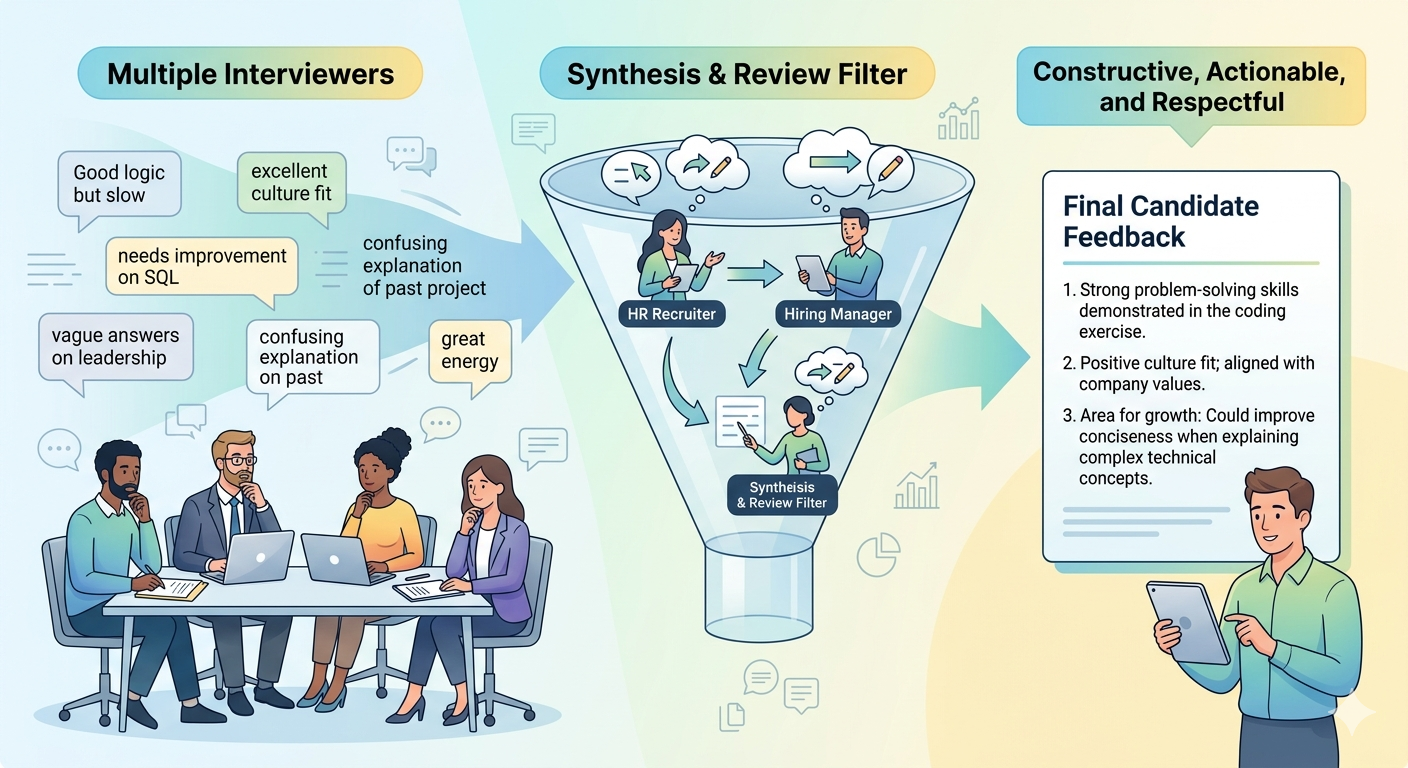
Many young professionals ignore feedback in their starting phase. When a boss or a senior gives some suggestions then people think that as criticism. But actually, constructive feedback is a shortcut to growth.
If you take feedback positively then you can identify your mistakes quickly and improve them. This habit makes you better in every role. People who accept their weaknesses and work on them become successful and confident in their careers.
Also having a mentor is very valuable. A mentor is a person who guides with their experience whether taking the right career decisions handling office politics or building self confidence. You can avoid those mistakes that can harm your career through their guidance.
That’s why you should not avoid feedback instead make it the tool for your improvement. Also, find a mentor in your professional circle which can give you honest advice.
Conclusion
Periods of unemployment can feel challenging, but they don’t have to be unproductive. This time can become a powerful phase of growth if you use it wisely. By upgrading your skills, building a strong portfolio, managing your finances carefully, and applying for jobs strategically, you prepare yourself for better opportunities ahead.
Remember, unemployment is not a sign of failure — it is simply a temporary pause that gives you space to reset, learn, and come back stronger. Stay consistent, stay hopeful, and keep investing in yourself. The effort you put in today will open the doors to the career you truly deserve.




Leave a Reply