Introduction
Remote jobs offer flexible options in which you can work according to your convenience. These jobs are very popular in today’s digital era because they save time, remove the problem of commuting, and make it easier to achieve a work-life balance.
Remote jobs are becoming popular every day because they create a win-win situation for both employees and the company. Remote jobs provide flexibility to employees, as they can work from anywhere, according to their convenience, they save on the cost of travel and commute, and can spend more time with their family. Also, it is beneficial for companies as well because companies do not have to spend money on office space, electricity, and infrastructure. Besides, these companies also get the chance to hire global talent without geographical boundaries.
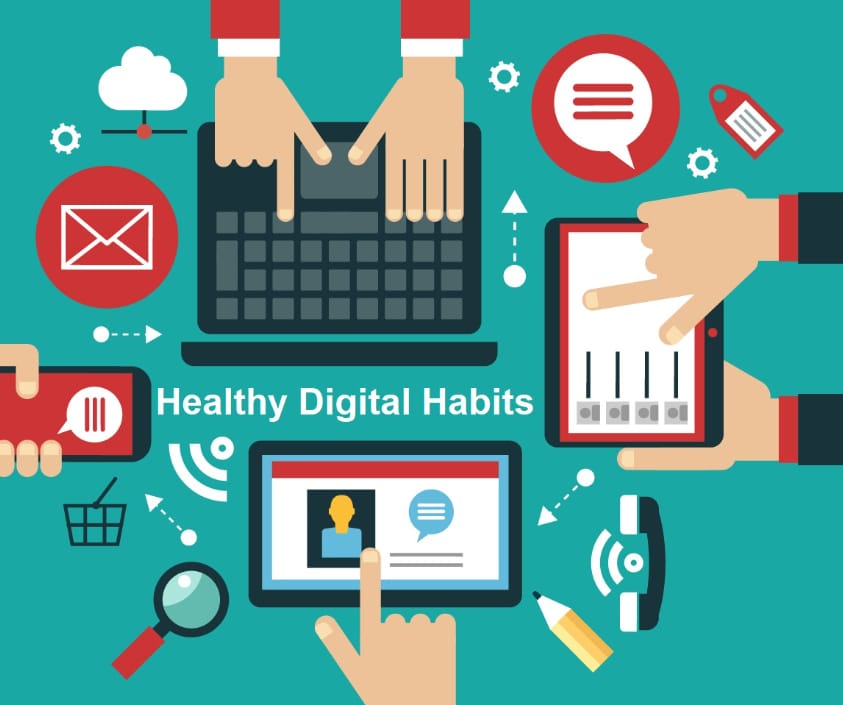
By applying these digital habits, remote worker can save time, stay focused on high-impact tasks, improve their chances of landing jobs or projects, and maintain consistent progress while balancing work and well-being.
Benefits of Remote Work
Flexibility in Schedule –
The biggest advantage of remote work is that you can decide the timing of your work. If you are an early riser, then you can finish your work in the early morning, and if you are a night owl, then you can work at night. With this flexibility, you can work according to your energy levels and productivity. Plus, personal errands and emergencies also become easy to handle without formally taking leave.
No Commute –
There is no office commute, which means you can save time and money on fuel. Besides these, the stress of traffic and daily travel also decreases. You can invest this extra time in your productive work or in your personal life. Plus, your health also gets better because you don’t have to go through pollution and travel fatigue.
Better Work-Life Balance –
There are unnecessary meetings, gossip, or interruptions in the office environment. In remote work you set your workspace according to your comfort zone to increase focus. Less destruction means more efficient work. This is especially for those people who want to stay self-motivated and disciplined.
Cost Savings –
Expenses are reduced in remote work because there is no cost of transportation, parking, lunch, coffee, or formal office wear. These savings become a good amount at the end of the month. You can also manage your budget better by staying at home.
Location Independence –
Remote work gives you the freedom to work from the location of your choice — whether it’s your home, a café, or a scenic hill station. This is especially beneficial for people who love to travel or don’t want to be bound to a specific city. It brings variety to your lifestyle and keeps your motivation high.
Build Strong Digital Habits for Remote Work
1. Setting up a productive digital environment habit
Ideal desk height and chair support
The height of the desk and chair support plays an important role in the remote work support. If the desk is too high or too low, then you can suffer from shoulder pain, neck pain, and wrist strain. The height of an ideal desk is usually 28 to 30 inches but you have to adjust according to your height. The chair’s lumber support should be strong so that your lower back can stay comfortable. A chair with adjustable height and reclining features is beneficial because you can adjust the position according to your comfort. A good combination of desk and chair improves your posture and makes it easy to work for long hours.
Monitor placement to reduce eye strain
The wrong placement of a monitor can cause eye strain, headache, and neck pain. An ideal placement of the screen is that the top of the screen should be at the level of your eyes and the monitor should be 22-30 inches away from you. You should set the screen a little tilt to reduce glare and increase focus. If you use a laptop, then keep the laptop on a stand and use an external keyboard and mouse. Maintaining Proper monitor height and distance cannot only protect your eyes, but it also corrects your posture, which is good for your long-term health.
Keyboard and mouse positioning for comfort
The placement of the keyboard and mouse is also a crucial part of an ergonomic setup. Keep them at a height where your elbows naturally form a 90-degree angle. If the keyboard is too high, your shoulders may become stiff; if it’s too low, it can strain your wrists. Keep the mouse close to the keyboard to avoid unnecessary arm stretching. Using a wrist rest can also improve comfort. If you have long typing sessions, choose a mechanical or ergonomic keyboard. The right positioning reduces the risk of repetitive strain injuries and makes the typing experience much smoother.
2. Personalization without distraction habit
Inspiring décor (plants, art, vision boards)
Inspiring décor in the remote work boosts productivity and mood. Keeping one or two indoor plants on the desk creates a fresh environment and reduces stress levels. Plants like peace lilies or snake plants are of low maintenance and improve air quality. Sticking motivational quotes, calming artwork, or a vision board on the wall improves motivation because you can see your goals and creative ideas everyday. But you have to make sure that the décor is not so cluttered because extra items divert the focus. Simple and meaningful décor is enough to keep you inspired.
Color psychology for productivity
Color has a strong impact on mood and focus, so the choice of the right color in the home office is very important. Blue shades promote calmness and concentration, which is perfect for detail-oriented work. Green relaxes our eyes and boosts creativity, which is why using plants or green accents is beneficial. Yellow creates positivity and energy, but excess can cause distraction. Neutral tones like white, beige, or light grey give a minimal and clean look, which makes the focus. Smart use of color psychology makes your work productive and pleasant.
3. Physical fitness and energy boost habit
The biggest challenge of remote work is less movement and more sitting time. When you work the whole day in front of a laptop then your body gets tired and your mind also feels dull. That’s why remote professional must include physical activity in their morning routine.
Doing exercise in the morning is not only good for fitness instead it is also important to activate your mind. When you stretch your body or go for a walk then blood circulation improves and the brain gets oxygen, which makes your mood and focus better.
If you cannot go to the gym then there’s no problem. You can do a 15 to 20-minute quick workout at home such as stretching, yoga, jumping jacks, skipping, or body weight exercises.
Physical activity is good for the body as well as for productivity. When you feel active then motivation and confidence increase automatically. Professionals who exercise in the morning are generally more focused, positive, and stress-free.
A small tip for you is, if you do not get time for a full workout then start stretching for 5 minutes at the time of a Pomodoro break. This habit keeps your energy level steady.
If you are facing career burnout then this article can help you out to overcome from burnout. Read “How to Avoid Career Burnout in a Fast-Paced Digital World?”
4. Organization & storage
Organization is very important in a remote work because clutter directly impacts focus and efficiency. You can neatly arrange book files and decorative items by using cells, which is helpful to avoid gathering unnecessary things on the desk. Small drawers are perfect for small items such as stationery, chargers, and important documents so that they stay handy without creating visible clutter. Arrange wires neatly with the help of cable management tools like clips, sleeves, or cable boxes. Because tangled cables make work space messy. When everything is in its fixed place, it saves your time and makes work flow smoother.
5. Choosing the right location for remote work
A very important step in the remote work is choosing a location. If you do a setup in the wrong place, then distraction can increase, and productivity will decrease. Location should be according to your work’s nature. If you have to attend frequent calls and meetings, then your space should be noise-free. The size of the space also matters; you have to choose a location where your desk, chair, and storage fit comfortably. And also take care of proper ventilation and lighting to keep fresh and focused. A thoughtful location choice can improve your work experience a lot.
Quiet vs. high-traffic areas in the house
To increase productivity, you have to select a quiet area for a remote job. Do not choose the location near high traffic areas such as the living room or kitchen because family members stay and they talk or do things that increase noise. You should choose a location near the bedroom’s corner, attic, or any unused room that is peaceful. If you make sure of all these things, then you can work quietly without any interruptions and also attend meetings without any background noise. But if you do not have a quiet place and you have to use a high-traffic area, then you should use noise-cancelling headphones or room dividers to reduce distraction.
Natural lighting and window placement
Natural lighting is very important because it boosts mood and energy levels. You have to choose a corner near a big window so that sunlight can enter your workspace. But keep in mind, monitor should not be in direct sunlight, otherwise glare can happen, and eyes strain can also happen. Window placement should be in a way that you can see the natural view at the time of working because it reduces stress. If there is insufficient natural light, then use a warm LED desk lamp. The proper balance of light increases your focus, comfort, and productivity.
Separation from personal spaces
Keeping your work space separate from your personal space helps in creating clear mental boundaries. When you mix work and personal areas, your brain struggles to switch into work mode. That’s why you should try to have a workspace where there’s no influence from the bed, TV, or dining area. Having a separate space reduces distractions and helps you avoid doing personal tasks in between work. If a dedicated room isn’t possible, you can use a room divider, bookshelf, or screen to create a separate zone. This clear separation greatly helps in maintaining a healthy work-life balance.
6. Maintain a positive mindset for productivity
Staying positive during a remote job can be challenging, but it’s essential for keeping motivation high. One effective strategy is positive self-talk — remind yourself of your skills, achievements, and past successes.
Journaling or practicing gratitude can also help manage rejection. Writing down small wins, lessons learned, or things you are thankful for shifts your focus from setbacks to progress.
Finally, avoid comparing yourself to others. Everyone’s career journey is unique, and measuring yourself against someone else’s timeline can lead to unnecessary stress. Focus on your growth and the steps you are taking to reach your goals.
7. Digital detox before work
In today’s time checking the phone directly after waking up has become a common habit such as checking notification, emails, or scrolling social media. But successful remote professionals avoid these habits because they know that starting your day should not be with any screen, it should be with yourself.
30 to 60 minutes of the morning is the most peaceful time for your mind. If you check your phone at that time then your brain gets overloaded with unnecessary information and stress. It breaks focus and decreases productivity. Digital detox means making your morning slightly screen-free to recharge your mind naturally.
You can try these simple and positive activities instead of scrolling your phone such as meditation, deep breathing, journaling, gratitude list, stretching, walk, listening to soft music, or reading. These small habits and improves your focus and provide a stress-free morning.
Through digital detox, you can easily control your thought process. When you distance yourself from a laptop or phone in the morning then mind clarity increases, creativity improves, and mood stays positive. For successful remote professionals, it is like a mental reset through which they focus better on their goals.
Fix a no-screen zone in your morning routine for example do not use your phone for at least 45 minutes after waking up. Use a traditional clock for alarm and to check emails or messages during office hours.
8. Time management
Time management is the backbone of successful remote work. It allows you to stay focused, complete tasks efficiently, and meet deadlines without unnecessary stress. With proper planning and discipline, remote workers can maintain a healthy work-life balance, avoid burnout, and make the most of the flexibility that remote jobs offer. Moreover, mastering time management builds reliability and professionalism, helping you grow in your career while staying productive and motivated every day.
Conclusion
This article covered the essential strategies to build strong digital habits for remote work. It explored how to set up a productive digital environment, manage time effectively, avoid digital burnout, leverage technology, and support personal growth.
By following these practices, remote workers can boost productivity, reduce stress, stay focused, and maintain a healthy work-life balance. Implementing strong digital habits not only improves professional performance but also enhances overall well-being in a remote work setup.
You can read more informational blogs here.


Leave a Reply