Introduction
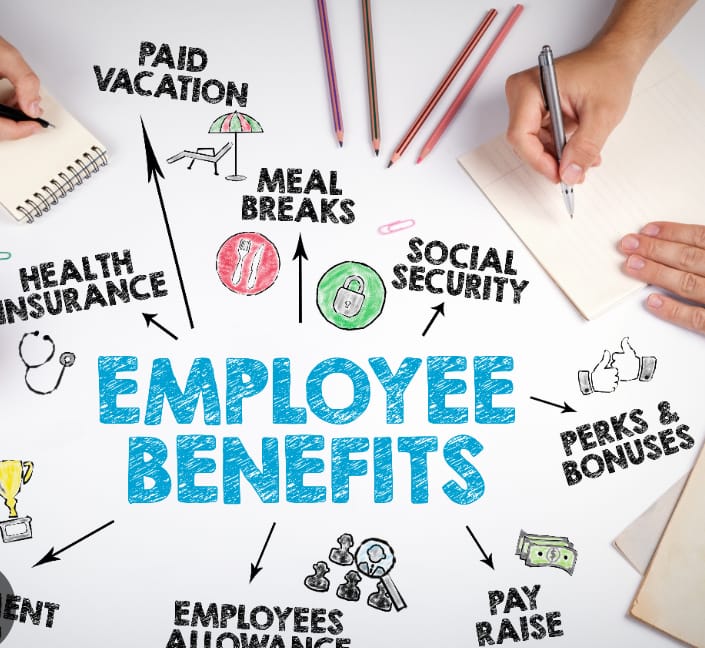
The American workplace has changed more in the last five years than in the previous three decades. Technology, remote work, employee burnout, inflation, and shifting cultural values have all shaped what workers expect from their employers. Entering 2026, one truth is clear: employees are no longer motivated by salary alone. They want meaningful benefits—benefits that support their health, finances, families, and overall quality of life.
Companies that understand these expectations are becoming talent magnets, attracting skilled professionals who want more than just a paycheck. This article explores the benefits American employees value the most in 2026, why these benefits matter, and how organizations can use them to build stronger, happier, and more productive teams.
1. Flexible Work Arrangements: Still the #1 Priority in 2026
Even though some companies have returned to office-first work cultures, the demand for flexibility remains stronger than ever. In 2026, flexible work is the most valued benefit across almost every industry.
What Flexibility Looks Like in 2026?
- Hybrid work options (2–3 days office, rest remote)
- Fully remote roles, especially in tech, marketing, HR, customer service
- Flexible scheduling (start and end your workday as needed)
- Compressed workweeks (4-day workweeks are becoming more common)
- Work-from-anywhere months (employees can work from another city or country temporarily)
Why Employees Want It?
- Reduces commuting costs and stress
- Helps balance family responsibilities
- Provides more time for health, hobbies, and personal growth
- Increases productivity and job satisfaction
- For many Americans, flexibility equals freedom—and freedom is priceless.
2. Comprehensive Health Insurance Benefits
Health insurance remains one of the most critical benefits in the U.S., especially because healthcare costs continue rising every year.
In 2026, employees are looking for plans that offer more than basic coverage.
What Employees Expect?
- Low premiums and deductibles
- Mental-health coverage (therapy, counseling, stress management)
- Preventive healthcare (annual checkups, screenings)
- Telehealth options
- Dental and vision insurance included
- Coverage for chronic conditions
Why It Matters?
Health is unpredictable, and medical bills can quickly become overwhelming. Employees feel more secure and committed to companies that help them stay healthy without financial strain.
3. Mental Health & Wellness Support Benefits
After the pandemic, rising burnout levels, and the shift to hybrid work, mental health became a central part of workplace benefits. By 2026, wellness programs are not optional—they are an expectation.
Most Valued Wellness Benefits
- Free or subsidized therapy sessions
- Stress management programs
- Access to mental-health apps
- Mindfulness and meditation sessions
- Paid mental-health days
- Burnout prevention workshops
Why Employees Value It?
Workers want companies that see them as humans, not machines. When employers support mental well-being, employees feel valued, less stressed, and more likely to stay long-term.
4. Higher Pay Transparency & Fair Compensation Benefits
2026 has seen new laws across U.S. states requiring salary transparency in job postings. Employees now expect:
- Clear pay ranges
- Equal pay for equal work
- Regular salary reviews
- Cost-of-living adjustments
Why It Matters?
Transparency builds trust. Workers are tired of hidden pay scales and unfair compensation. When companies openly discuss pay, employees feel respected and more confident in their career growth.
5. Remote Work Stipends & Home Office Support
Remote and hybrid workers want companies to invest in their home-office setup. This trend continues strongly into 2026.
Popular Stipends
- Monthly internet reimbursement
- Work-from-home equipment (desk, chair, monitor)
- Tech support allowances
- Phone bill reimbursement
- One-time set-up budget (e.g., $300–$1,000)
Why? Because employees don’t want to spend their own money to create a workspace that helps them be productive.
6. Career Growth & Upskilling Programs Benefits
Employees value employers who help them grow and remain relevant in a rapidly changing job market.
Preferred Learning Benefits
- Free online courses (LinkedIn Learning, Coursera, Udemy)
- Certifications paid by employer
- Professional development budgets
- Mentorship programs
- Growth paths with clear promotion opportunities
Why It’s Important?
In an age of AI and automation, workers know that learning new skills is essential. Access to continuous training gives employees confidence and long-term stability.
7. Retirement Plans & Financial Wellness Benefits
Financial stress remains one of the biggest concerns for American workers. In 2026, employees are seeking employers who help them build a secure financial future.
Most Valued Financial Benefits
- 401(k) retirement plans with matching contributions
- Financial planning workshops
- Student loan repayment support
- Emergency savings accounts
- Stock options or equity, especially in startups
Why It Matters?
People want more than a paycheck—they want stability. When employers contribute to retirement savings or help reduce debt, employees feel supported both now and in the future.
8. Paid Time Off (PTO) & Unlimited Leave Options
American employees value time more than ever in 2026.
What They Want?
- At least 20–25 days of PTO per year
- Paid sick leave
- Paid parental leave
- Bereavement leave
- Volunteer or charity leave
- Unlimited PTO (with a healthy work culture that encourages usage)
Why It’s Valuable?
Time off improves creativity, mental health, productivity, and overall work satisfaction. Workers no longer want workplaces where taking leave feels “guilty.”
9. Family-Friendly Benefits: Growing in Popularity
Family-focused benefits have become extremely important, especially for millennials and Gen Z entering parenthood.
High-Demand Family Benefits
- Paid maternity and paternity leave (8–16 weeks minimum)
- Childcare assistance or discounts
- Flexible hours for new parents
- Fertility and IVF support
- Adoption assistance
- Parenting workshops
Why Employees Want It?
The U.S. has expensive childcare and limited parental leave compared to many countries. Employers who support families create deeper loyalty and reduce turnover.
10. Four-Day Workweek Experiments
One of the biggest workplace trends of 2026 is the rise of the four-day workweek. More organizations are testing this model and reporting:
- Higher employee happiness
- Lower burnout
- Increased productivity
- Better work-life balance
Why Employees Love It?
- A shorter workweek offers more time for:
- Skill-building
- Family activities
- Side projects
- Rest and travel
Workers experience freedom without sacrificing income—making this one of the most desired benefits of 2026.
11. Diversity, Equity & Inclusion (DEI) Programs
DEI continues to be a meaningful factor in employee satisfaction. Workers want fair, inclusive workplaces where everyone has equal opportunities.
Valued DEI Initiatives
- Bias-free hiring practices
- Inclusive leadership training
- Employee resource groups
- Diverse leadership teams
- Equal pay audits
- Accessibility benefits for employees with disabilities
Why It Matters?
Employees want workplaces where they feel respected, heard, and represented. DEI programs improve morale and contribute to healthier workplace cultures.
12. Employee Recognition & Rewards
Appreciation matters. In 2026, employees value recognition programs such as:
- Spot bonuses
- Performance rewards
- Public appreciation
- Peer recognition systems
- Gift cards, vouchers, or experience rewards
Workers thrive when their effort is acknowledged. Recognition increases motivation and reduces turnover.
13. Workplace Culture That Supports Work-Life Balance
More than any single benefit, employees value a healthy culture. This includes:
- Respectful leadership
- Reasonable workloads
- No “always online” expectations
- Encouragement to disconnect after work
- Empathy and transparency in communication
Why It Matters?
A good culture increases trust, productivity, and employee well-being. Even generous benefits cannot compensate for a toxic environment.
14. Transportation & Commute Benefits
With rising fuel and transportation costs, employees appreciate help with commuting.
Popular Benefits
- Fuel reimbursement
- Public transport passes
- Carpool incentives
- Parking support
- Shuttle services
Why Employees Value It?
Daily commutes are expensive and time-consuming. Employers who ease this burden stand out.
15. Pet-Friendly Workplace Policies
This may seem small, but it’s a growing trend.
Pet Benefits Employees Love
- Pet insurance
- Bring-your-dog-to-work days
- Support for pet adoption
- Pet-friendly offices
Why It Matters?
Pets reduce stress. Many employees feel happier and more comfortable in pet-friendly workplaces.
Conclusion: The Future of Employee Benefits in 2026
The American workforce in 2026 is clear about what it wants—flexibility, security, growth, and well-being. Employees are no longer satisfied with traditional benefits alone. They seek workplaces that understand their personal and professional needs, offer work-life balance, and invest in their long-term success.
This article covered:
- The rise of flexible and remote work
- Health, mental health, and wellness programs
- Pay transparency and fair compensation
- Learning and career development benefits
- Family-friendly and financial wellness benefits
- PTO, four-day workweeks, and recognition programs
These benefits help employees live healthier, happier, and more fulfilling lives while enabling companies to attract and retain top talent.
In 2026 and beyond, workplaces that prioritize people-first benefits will experience stronger loyalty, higher performance, and a more engaged workforce.
You can explore various jobs in America with the help of Best Job Tool.




Leave a Reply